
Toyol
Indonesian and Malay folklore·Folklore·Southeast Asia (Indonesia, Malaysia)·Undead infant spirit
The Toyol is an undead infant spirit revered in Indonesian and Malay folklore, often summoned by shamans (dukun) through black magic for financial gain by stealing from others. It is known for bringing good luck to its owner while causing misfortune to those it encounters, and appears in various Southeast Asian mythologies, literature, and popular culture.
Key Facts
- ›The Toyol is an undead infant spirit found in Indonesian and Malay folklore, as well as other Southeast Asian mythologies.
- ›It is typically invoked by shamans (dukun) using black magic to assist in financial gain by stealing from others.
- ›Toyols are described as resembling toddlers, sometimes with variations like sharp teeth, red eyes, green skin, or pointed ears.
- ›They are known to enjoy sweets, toys, and clothes, and their behavior is often compared to that of a playful child.
- ›The belief in toyols is linked to the Asiatic belief that all beings, including infants, possess a soul.
- ›Toyols have appeared in numerous films, literature, music, television series, and video games, reflecting their sustained presence in popular culture.
Tuyul, Thuyul, Kecit, Cohen Kroh, Kwee Kia, Kuman-Thong, Kuman-Lay
Financial Gain, Theft, Good Luck, Misfortune
Stealing Valuables, Causing Misfortune, Scaling Walls, Climbing Roofs
Indonesian and Malay Folklore Collections, Various Southeast Asian Mythologies, Popular Culture Media
Dukun, Pawang, Bomoh
Black Magic, Financial Corruption, Social Hierarchy Maintenance, Resentment, Disruption of Social Order
- Invoked By Shamans Through Black Magic.
- Requires Taming By Its Owner .
- Associated With the Theft of A Portion of Valuable Belongings.
- Known As 'Tuyul' In Indonesian, 'Thuyul' In Javanese, and 'Kecit' In Sundanese.
- Referred To As 'Cohen Kroh' In Khmer and 'Kwee Kia' In Hokkien.
- In Thai, the Male Is 'Kuman-Thong' and the Female Is 'Kuman-Lay', With These Spirits Being More Benevolent and Not Requiring Sacrifices.
- A Similar Creature In Philippine Mythology Is Known As 'Tiyanak'.
Sweets, Toys, Clothes
About Toyol
The Toyol is a supernatural entity originating from Indonesian and Malay folklore, widely recognized across Southeast Asia. It is depicted as an undead infant spirit, typically summoned by shamans, known as dukun, pawang, or bomoh, through the practice of black magic.
Origins and Beliefs
While academic research into the precise historical origins of the Toyol is limited, some theories suggest its roots might extend to pre-Islamic Arab societies, possibly linked to historical practices of infanticide. The belief in the Toyol is intertwined with the broader Asiatic concept that all beings, including infants, possess a soul. The creature is often associated with financial gain, tasked by its owner to steal valuables, thereby bringing prosperity to the host while causing misfortune to others.
Appearance and Behavior
Traditionally, a Toyol resembles a near-naked toddler. However, regional descriptions vary; some accounts attribute it with sharp teeth and red eyes, while Indonesian tuyul are said to have green skin and pointed ears. Modern interpretations often portray them with goblin-like features, including pointed ears and clouded eyes. The Toyol's behavior is commonly likened to that of a playful child, with a known fondness for sweets, toys, and clothing. Despite its mischievous nature, its small size and childlike tendencies are often seen as making it appear harmless.
Cultural Significance and Modern Manifestations
The Toyol plays a multifaceted role in society. Its belief is theorized to serve as a disciplinary tool, aid in maintaining social hierarchy, and deter outsiders. Accusations of wealth or success being attributed to the use of a Toyol are often seen as a way to express resentment or to explain social disparities through supernatural means, allowing people to accept matters as beyond their control. The Toyol continues to be a significant element in contemporary culture, appearing in various media such as films, literature, television series, and video games, indicating a sustained belief in such folklore.
Similar Entities
Similar child spirit figures can be found in other cultures. The tiyanak in Philippine mythology shares characteristics with the Toyol. In Japanese folklore, the zashiki-warashi are spirits of children associated with good fortune, though they differ in appearance and certain behaviors, typically resembling young children or adolescents rather than infants.
Source: Wikipedia ↗
Frequently Asked Questions
What is a Toyol?
A Toyol is an undead infant spirit prominent in Indonesian and Malay folklore. It is often summoned by shamans (dukun) through black magic to help its owner acquire wealth, typically by stealing from others.
What does a Toyol look like?
Traditionally, a Toyol is described as appearing like a near-naked toddler. Regional variations exist, with some accounts describing sharp teeth, red eyes, green skin, and pointed ears. Modern depictions sometimes give them a goblin-like appearance.
What are Toyols used for?
The primary use for a Toyol is to help its owner gain wealth, usually by stealing from others. They are also known to bring good luck to their host, while causing misfortune to those they interact with.
Are there similar creatures to the Toyol in other cultures?
Yes, similar child spirits exist in other mythologies. In Philippine mythology, the tiyanak is a similar creature. In Japanese folklore, the zashiki-warashi are spirits of children that bring good fortune, though they differ in appearance and some behaviors.
How is the Toyol represented in modern culture?
The Toyol is frequently depicted in modern popular culture, appearing in films, television series, literature, and video games. These portrayals often explore themes of folklore, horror, and comedy, reflecting its enduring cultural significance.
Related Demons
Aswang
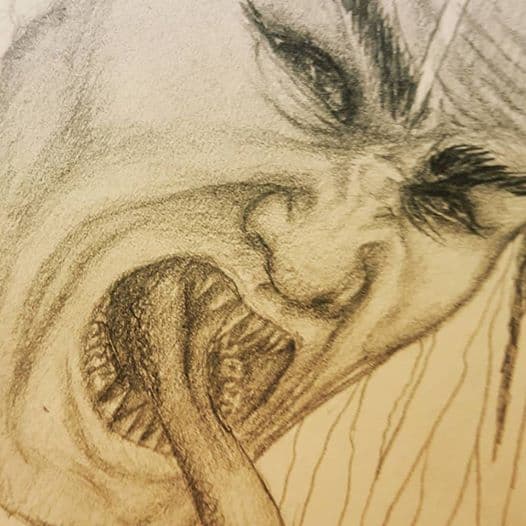
The Aswang is a broad category of malevolent, shape-shifting creatures in Filipino folklore, encompassing beings akin to vampires, ghouls, witches, and human-beast hybrids. These entities are deeply ingrained in Philippine mythology and are notorious for their predatory nature, often targeting vulnerable individuals and even fetuses. The Aswang is particularly feared for its ability to infiltrate human society and its behavior, which is seen as a stark inversion of traditional Filipino values.
Baku
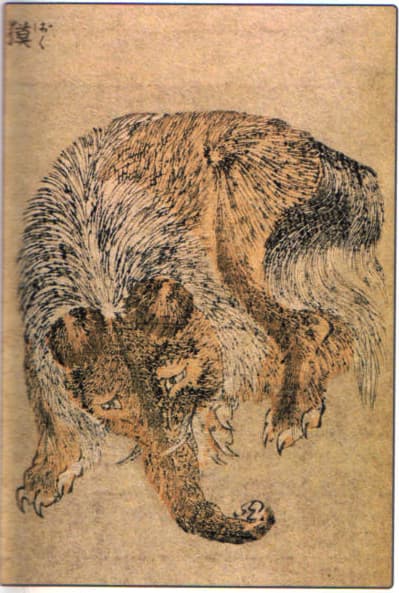
Baku are supernatural beings originating from Chinese folklore, known in Japan for their ability to devour nightmares. These creatures are said to have been formed from leftover pieces of divine creation, and they have a long history in Japanese folklore and art. While traditionally depicted as chimera-like beings, their form and specific attributes have evolved over time.

Gadulta
In folklore, a ghost is the spirit or soul of a deceased person or animal believed to manifest to the living. Descriptions vary from invisible presences to lifelike forms, and beliefs in ghosts date back to animism and ancestor worship. While science finds no proof of their existence, ghost sightings are sometimes attributed to neurological conditions or medications, and the concept remains prominent in horror fiction.