
Preta
Hinduism, Buddhism·Mythology, Demonology, Religious Tradition·South Asia, East Asia, Southeast Asia·Supernatural being, Ghost
Preta, also known as hungry ghosts, are supernatural beings from Hindu and Buddhist traditions, later adopted into Taoism and Chinese folk religion. They are characterized by extreme, insatiable hunger and thirst, a result of their past negative karma, and are often depicted with emaciated bodies and distended bellies. Their existence is a cautionary tale, emphasizing the consequences of greed and deceit, and their suffering can be alleviated through specific rituals and offerings.
Key Facts
- ›Pretas are supernatural beings from Hindu and Buddhist traditions, prominent in various East Asian cultures.
- ›They are characterized by extreme insatiable hunger and thirst, often for repugnant substances.
- ›Their appearance is typically emaciated with distended bellies and thin necks, symbolizing their unending appetite.
- ›Pretas are believed to have been greedy, deceitful, or compulsive individuals in a past life.
- ›Family rituals and offerings are crucial in Hinduism and Buddhism to help pretas transition to their next rebirth.
- ›They occupy the same physical space as humans but perceive the world differently, often seeing revolting substances where humans see water.

Hungry Ghost, Yi Dags, Egui, Gaki, Pret, PeréThaya
Hunger, Thirst, Suffering, Greed, Deceit, Karma
Perceive the World Differently, Inflict Pain On Others, Transform Or Disguise Themselves, Turn Invisible, Frighten Mortals
Petavatthu, Garuda Purana
Oni
Greed, Deceit, Compulsion, Jealousy, Consequences of Negative Karma, Materialism
- Funerary Rites and Offerings Are Performed By Families To Guide the Preta's Spirit To Its Next Life.
- Rice Balls Are Offered In Hinduism To Symbolize the Deceased's Body and Aid Transformation.
- In Chinese Buddhist Rituals, Pretas Are Summoned and Provided Nourishment and Teachings.
- the Mengshan Shishi Rite and Yujia Yankou Ritual In Chinese Buddhism Involve Bestowing Food Upon Egui.
- Segaki Festivals In Japan Involve Offerings and Remembrances For Gaki.
- Hungry Ghost Festivals In Various Asian Countries Involve Burning Symbolic Material Possessions.
- In Thailand, Elders Warn Children Against Rudeness To Parents, Lest They Become Pret.
- In Hinduism, Pretas Are Composed of Vayu and Akasha, Lacking Other Elements For Digestion.
- In Chinese Tradition, They Are Known As Egui and Are A Focus of Rituals Like Mengshan Shishi.
- In Japanese Tradition, They Are Called Gaki, With Segaki Festivals For Remembrance.
- In Thailand, Pret Are Associated With Extreme Height and Tiny Mouths, and Warnings Against Filial Disrespect.
- In Sri Lanka, PeréThaya Are Reborn Due To Excessive Desire, With Large Stomachs and Small Mouths.
Distended Bellies, Thin Necks, Repugnant Substances, Pus and Filth, Joss Paper
About Preta
What is a Preta?
A Preta, widely known in English as a "hungry ghost," is a supernatural being originating in ancient Indian religions, particularly Hinduism and Buddhism, and later integrated into Taoism and Chinese folk religion. These beings are characterized by an extreme and insatiable hunger and thirst, a direct consequence of negative karma accumulated in past lives. Their existence serves as a profound cautionary tale about the perils of greed, deceit, and compulsive behaviors.
Origins and Beliefs
Initially conceived as the spirit of a deceased person, the concept of the Preta evolved into a transitional state between death and karmic reincarnation. If the deceased person's family fails to perform essential funerary rites for about a year, the soul risks remaining a Preta indefinitely. Pretas are believed to have been individuals with harmful traits such as falsehood, corruption, compulsion, deceit, jealousy, or greed. As a result of this karma, they are afflicted with an unending craving for specific substances, often something repugnant like cadavers or feces, though more modern interpretations include a wider range of bizarre desires.
Appearance and Suffering
Pretas are typically depicted as human-like yet emaciated, with sunken, mummified skin, narrow limbs, enormously distended bellies, and long, thin necks. This striking appearance is a metaphor for their mental state: immense appetites symbolized by their large stomachs, contrasted with a severe inability to satisfy them, represented by their slender necks. They inhabit the same physical space as humans but perceive the world differently; where humans see clear water, pretas might see pus or filth. Beyond hunger, they suffer from extreme heat and cold, finding the summer sun scorching and the winter moon freezing.
Cultural Significance and Rituals
The concept of the Preta has spread throughout Asia with Buddhism, appearing prominently in the cultures of India, China, Japan, Korea, Thailand, and many others. In Hinduism, specific funerary rituals involving offerings like rice balls are performed to help the Preta's spirit transition to its next life. Buddhist traditions often include rituals and festivals, such as the Ghost Festival in China and Segaki in Japan, where food and symbolic items are offered to appease and aid these suffering spirits. These practices highlight the interconnectedness of the living and the deceased and the importance of compassion and ritual in navigating the cycle of rebirth.
Source: Wikipedia ↗
Frequently Asked Questions
What is a Preta?
A Preta, often translated as 'hungry ghost,' is a type of supernatural being in Hindu, Buddhist, and East Asian traditions. They are characterized by extreme, unfulfillable hunger and thirst due to negative karma from past lives.
What causes a person to become a Preta?
Pretas are believed to have been individuals who exhibited traits like greed, deceit, jealousy, or compulsive behavior in their previous lives. Their negative karma results in their perpetual suffering of hunger and thirst.
What do Pretas look like?
Pretas are often described as human-like but emaciated, with sunken, mummified skin, narrow limbs, enormously distended bellies, and long, thin necks. This appearance symbolizes their vast appetites and inability to satisfy them.
How can the suffering of Pretas be alleviated?
In traditions like Hinduism and Buddhism, the suffering of pretas can be alleviated through specific funerary rituals and offerings performed by their families. These rites help guide the spirit towards reincarnation and release them from their torment.
Where do Pretas live?
Pretas are said to dwell in the waste and desert places of the earth, or in realms that reflect their past karma. They occupy the same physical space as humans but perceive rivers as revolting substances rather than clear water.
Related Demons
Abaddon/Apollyon
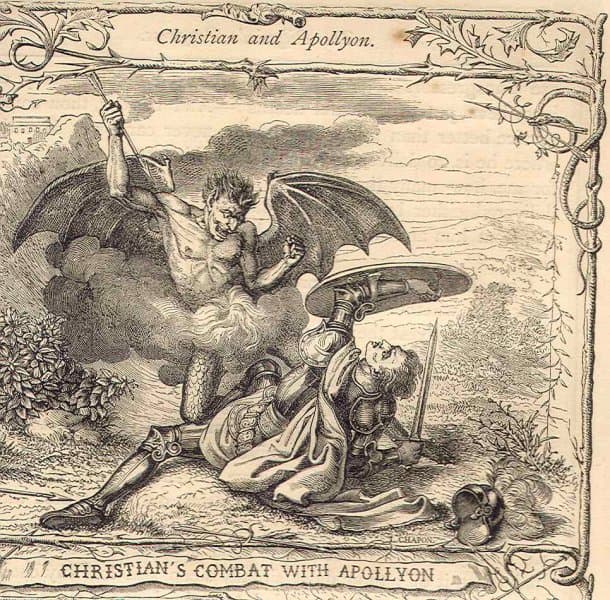
Abaddon, also known as Apollyon in Greek, is a figure appearing in biblical texts as both a place of destruction and a powerful angel associated with the abyss. Primarily recognized from the Hebrew Bible and the New Testament's Book of Revelation, Abaddon is often depicted as a destroyer or the king of a demonic army. Its significance lies in its multifaceted interpretations across various religious and literary traditions, evolving from a concept of ruin to a specific angelic or demonic entity.

Abyzou
Abyzou is a female demon prominently featured in the folklore and demonological texts of the Near East and Europe, especially known for causing miscarriages and infant mortality. Driven by envy due to her own infertility, she is depicted as a malevolent entity with numerous names and forms. Her fullest depiction is in the Testament of Solomon, and she is also associated with figures like Gylou and Alabasandria, appearing on ancient magical amulets.
Adrammelech
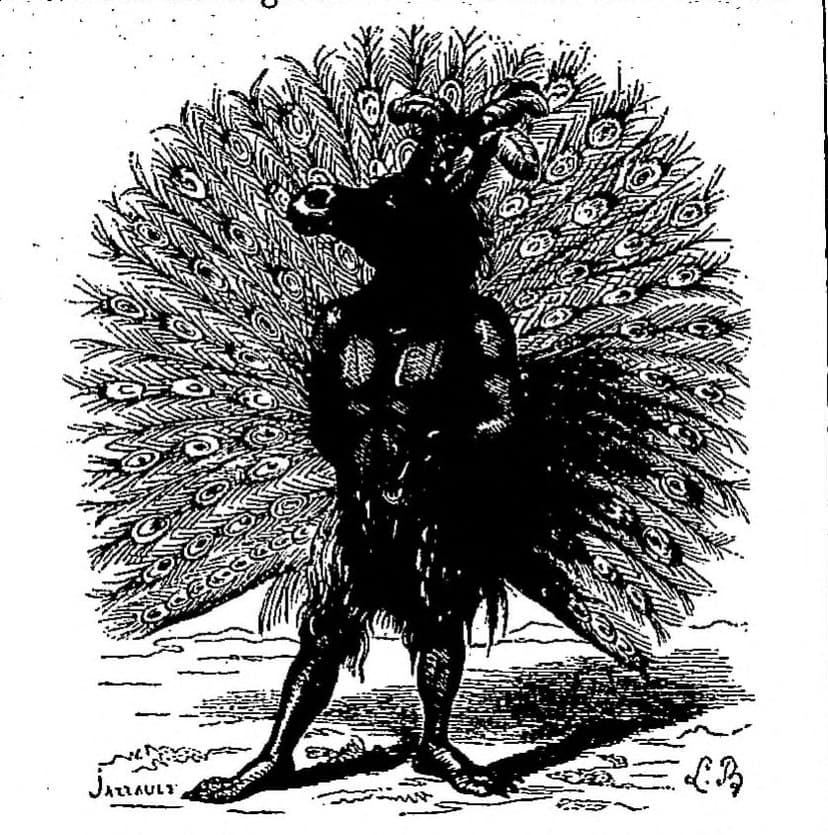
Adrammelech is an ancient Semitic deity associated with the people of Sepharvaim, who, according to biblical accounts, practiced child sacrifice to him and his consort Anammelech. In later Judeo-Christian demonology, Adrammelech is reinterpreted as a fallen angel and a high-ranking demon, often depicted with a hybrid appearance and holding significant positions in Hell.