
Pontianak
Southeast Asian Folklore·Folklore·Indonesia, Malaysia, Singapore·Vengeful spirit
The Kuntilanak, also known as Pontianak, is a vengeful female spirit prominent in Indonesian, Malaysian, and Singaporean folklore. Often appearing as a beautiful woman, she can transform into a monstrous form to lure and harm her victims, particularly men. She is associated with stillborn children and women who died in childbirth, and her presence is foretold by specific sounds and scents.
Key Facts
- ›The Kuntilanak, or Pontianak, is a vengeful female spirit from Indonesian, Malaysian, and Singaporean folklore.
- ›She typically appears as a beautiful woman but can reveal a monstrous form.
- ›Signs of her presence include the sound of an infant crying, the smell of decay or the plumeria flower, and animal sounds like dog howls.
- ›She lures men, sometimes by disguising herself, and is known to eviscerate victims with her long fingernails or suck out their eyes.
- ›Folklore suggests she can be subdued by driving a nail into the nape of her neck or the top of her head, transforming her into a human.
- ›She is associated with banana trees, where her spirit is said to reside during the day.
Kuntilanak, Hantu Langsuyar
Fear, Revenge, Death, Childbirth
Shape-Shifting, Luring Prey, Evisceration With Fingernails, Eye-Sucking, Disguise, Transformation Into Owl Or Large White Bird
Indonesian and Malaysian Horror Films, Indonesian and Malaysian Television, Malaysian Fiction, Singaporean Fiction, Internet Subculture
Langsuir
Vengeance, Anger, Tragedy of Childbirth
- Associated With Banana Trees, Where Her Spirit Is Said To Reside During the Day.
- Her Presence Is Announced By Specific Sounds and Scents.
- Holiday Celebrations In the City of Pontianak Involve Firing Bamboo Cannons, Possibly As A Tribute To the Historical Driving Away of Ghosts.
- A Nail Driven Into the Nape of Her Neck Or Top of Her Head
- In Malaysia, Lore Depicts Them As 'Vampiric' Blood-Suckers That Dissect Internal Organs.
- the Indonesian Kuntilanak Is Similar But Commonly Takes the Form of A Bird and Sucks the Blood of Virgins and Young Women.
Plumeria Flower, Banana Trees, Infant Cries, Feminine Laughter, Dog Howls/Whines, White Dress, Long Fingernails, Red Eyes, Long Black Hair
About Pontianak
The Pontianak, also known by its Indonesian name Kuntilanak, is a prominent vengeful spirit in the folklore of Indonesia, Malaysia, and Singapore. This supernatural entity is most often described as a beautiful woman with long, dark hair and pale skin, typically clad in white, though this alluring facade can transform into a monstrous and terrifying appearance when she confronts her prey.
Origins and Nature
Lore surrounding the Pontianak suggests a connection to tragic deaths, particularly those of women who died in childbirth or whose babies were stillborn. She is often characterized as an angry female spirit seeking revenge. In some traditions, she is the stillborn child of another Southeast Asian ghost, Langsuir. Her spirit is believed to reside in banana trees during the day.
Behavior and Influence
The Pontianak is known for luring unsuspecting victims, primarily men, by employing her beautiful disguise. Once she has her prey, she can inflict severe harm, with accounts detailing her using long fingernails to eviscerate them or suck out their eyes. Her presence is often foretold by distinct signs, such as the sound of an infant crying, the scent of the plumeria flower followed by the stench of decay, or specific animal vocalizations like dog howls.
Folklore and Subdual
Folklore provides methods for confronting and subduing the Pontianak. A common motif involves driving a nail into the nape of her neck or the top of her head, which can cause her to revert to a human form, sometimes depicted as a beautiful woman who can become a good wife until the nail is removed. The city of Pontianak in West Kalimantan is named after this spirit, with legends suggesting its founding involved driving away ghosts with cannon fire.
Cultural Presence
The Pontianak has a significant presence in popular culture, particularly through Indonesian and Malaysian horror films, which gained popularity in the mid-20th century and saw a resurgence in the early 2000s. These films often portray her with supernatural powers and sometimes as a heroic figure, with the nail-in-the-neck trope frequently featured. The spirit has also been incorporated into video games and contemporary fiction, reflecting her enduring place in regional mythology.
Source: Wikipedia ↗
Frequently Asked Questions
What is a Kuntilanak or Pontianak?
The Kuntilanak, also called Pontianak, is a vengeful female spirit in the folklore of Indonesia, Malaysia, and Singapore. She is often depicted as a beautiful woman with supernatural powers, but can also take on a monstrous appearance.
What are the signs that a Pontianak is nearby?
A Pontianak's presence can be indicated by the sound of an infant crying or feminine laughter, and a floral scent that may be followed by the smell of a decaying corpse. Animal sounds like a dog howling or whining are also associated with her proximity.
How does a Pontianak typically harm her victims?
The Pontianak is known to lure unsuspecting men, often by disguising herself as a beautiful woman. She can then eviscerate her victims with her long fingernails or, if the victim's eyes are open, suck them out.
How can a Pontianak be defeated or subdued?
According to folklore, a Pontianak can be subdued by driving a nail into the nape of her neck or the top of her head. This action reportedly causes her to transform into a normal, beautiful woman.
What is the origin or nature of the Pontianak spirit?
The Pontianak is often described as the spirit of a stillborn child or a woman who died in childbirth. She is sometimes depicted as an angry female spirit seeking revenge.
Related Demons
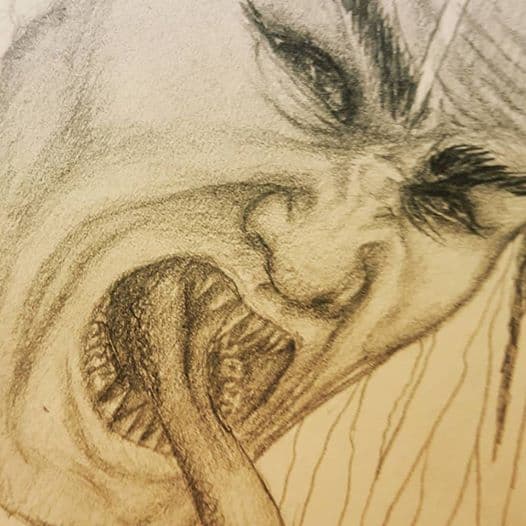
Aswang
The Aswang is a broad category of malevolent, shape-shifting creatures in Filipino folklore, encompassing beings akin to vampires, ghouls, witches, and human-beast hybrids. These entities are deeply ingrained in Philippine mythology and are notorious for their predatory nature, often targeting vulnerable individuals and even fetuses. The Aswang is particularly feared for its ability to infiltrate human society and its behavior, which is seen as a stark inversion of traditional Filipino values.
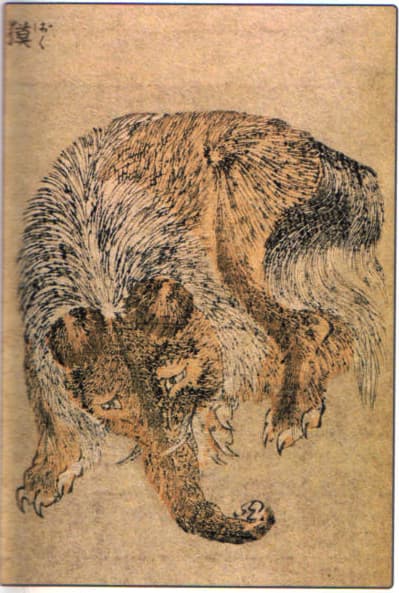
Baku
Baku are supernatural beings originating from Chinese folklore, known in Japan for their ability to devour nightmares. These creatures are said to have been formed from leftover pieces of divine creation, and they have a long history in Japanese folklore and art. While traditionally depicted as chimera-like beings, their form and specific attributes have evolved over time.

Gadulta
In folklore, a ghost is the spirit or soul of a deceased person or animal believed to manifest to the living. Descriptions vary from invisible presences to lifelike forms, and beliefs in ghosts date back to animism and ancestor worship. While science finds no proof of their existence, ghost sightings are sometimes attributed to neurological conditions or medications, and the concept remains prominent in horror fiction.