
Pocong
Indonesian Folklore·Folklore·Indonesian·Ghost
The Pocong is a ghost originating from Indonesian folklore, specifically associated with Islamic funeral traditions. It is depicted as a corpse wrapped in a shroud (kain kafan) whose knots, if not undone after burial, are believed to animate the body. Pocongs are notable for their distinctive appearance and unsettling mode of movement, often hopping due to the binding of their feet.
Key Facts
- ›Pocongs are ghosts resembling dead bodies wrapped in a shroud used in Islamic funerals.
- ›They are believed to animate when the knots of their burial shroud are not undone.
- ›Pocongs are known to hop like rabbits due to their bound feet, though they can also float.
- ›Their appearance varies based on the deceased and decomposition state, from pale and wide-eyed to skeletal with glowing red eyes.
- ›Notable variants include the plastic pocong, andong pocong, and the feared Pocong Merah (red shroud ghost).
- ›Pocongs are a common motif in Indonesian horror films and television series.

Hantu Bungkus
Death, Fear, Supernatural Phenomena
Movement Through Solid Objects, Teleportation, Animating the Dead Body
Indonesian Folklore, Indonesian Sinetron, Indonesian Horror Movies
Kuntilanak
Unresolved Death, Revenge
- Belief That Knots On the Shroud Must Be Undone After Burial To Prevent Animation.
Shroud, Banana Trees
About Pocong
What is a Pocong?
The Pocong is a well-known ghost figure originating from Indonesian folklore, deeply intertwined with Islamic funeral customs. Its existence is tied to the belief that a corpse wrapped in the traditional Islamic shroud, known as a "kain kafan," can animate if the shroud's knots are not properly undone after burial. This animation results in the emergence of the Pocong, a spectral entity resembling the deceased in its burial wrappings.
Appearance and Movement
Pocongs are described as varying in appearance based on the physical state of the deceased and the degree of decomposition. Fresh Pocongs may retain a resemblance to their former selves, while older ones can appear more skeletal. Common descriptions include a pale face, wide-open eyes, and sometimes glowing red eyes or decayed features. A distinctive characteristic of the Pocong is its mode of movement; due to the shroud being tied around its feet, it typically hops like a rabbit. However, they are also said to be capable of floating above the ground, which is often used in fiction to distinguish real Pocongs from human imposters.
Behavior and Habitat
The behavior of Pocongs is largely unpredictable. Some may appear to deliver messages or request prayers without malicious intent, while others actively seek to frighten people. Despite their potential for forming colonies, numbering in the dozens or even thousands, individual sightings are more common, suggesting a tendency to act independently. Pocongs can move through solid objects and teleport, making them difficult to evade. While they can be found anywhere, including their gravesites or former homes, banana trees are frequently cited as a preferred gathering spot, and they are most active during the night.
Notable Variants and Cultural Impact
Indonesian folklore features several distinct Pocong variants, each with unique origins and characteristics. The "plastic pocong" is associated with a tragic tale of a murdered woman whose body was wrapped in plastic due to excessive bleeding. The "andong pocong" is depicted as a lone ghost riding a spectral carriage, often bringing illness and death to those who answer its nocturnal knock. Perhaps the most feared is the "Pocong Merah" or red shroud ghost, believed to be born from a desire for revenge, making it a vengeful spirit prone to unprovoked attacks. These figures are often considered leaders of other Pocongs. The Pocong has a significant presence in Indonesian popular culture, particularly in horror films and television series, where it serves as a common antagonist, often portrayed in both frightening and comedic contexts.
Source: Wikipedia ↗
Frequently Asked Questions
What is a Pocong?
A Pocong is a ghost from Indonesian folklore that resembles a dead body wrapped in a shroud. It is believed to be the animated corpse of someone whose burial shroud was not properly tied.
How does a Pocong move?
Due to the shroud being tied around their feet, Pocongs are often described as hopping like rabbits. However, they are also said to be able to move by floating above the ground.
What does a Pocong look like?
The appearance of a Pocong can vary depending on the deceased's state, but they are typically depicted with a pale face and open eyes. Some descriptions include dark faces with glowing red eyes or decayed features.
Are there different types of Pocongs?
Yes, there are several variants of Pocongs mentioned in folklore. These include the plastic pocong, the andong pocong, and the particularly feared Pocong Merah, distinguished by its red shroud.
Where are Pocongs commonly found?
Pocongs are found in various locations, from their gravesites to their former homes. Banana trees are noted as a preferred gathering spot, and they are primarily known to roam and gather during the night.
Related Demons
Aswang
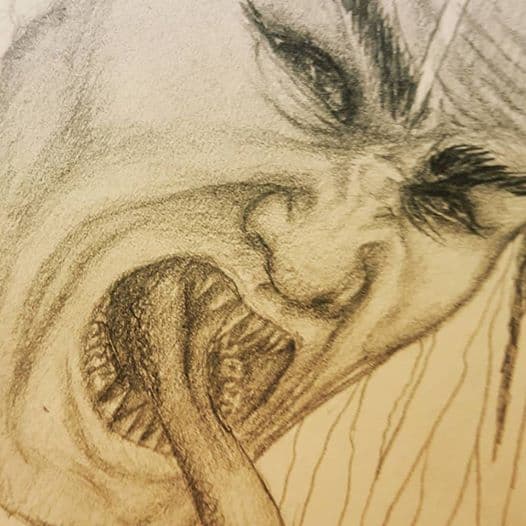
The Aswang is a broad category of malevolent, shape-shifting creatures in Filipino folklore, encompassing beings akin to vampires, ghouls, witches, and human-beast hybrids. These entities are deeply ingrained in Philippine mythology and are notorious for their predatory nature, often targeting vulnerable individuals and even fetuses. The Aswang is particularly feared for its ability to infiltrate human society and its behavior, which is seen as a stark inversion of traditional Filipino values.
Baku
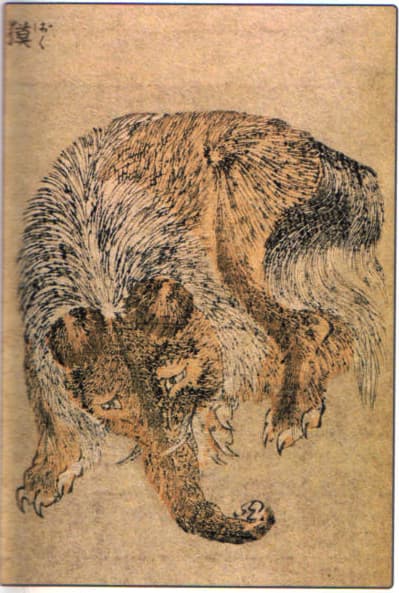
Baku are supernatural beings originating from Chinese folklore, known in Japan for their ability to devour nightmares. These creatures are said to have been formed from leftover pieces of divine creation, and they have a long history in Japanese folklore and art. While traditionally depicted as chimera-like beings, their form and specific attributes have evolved over time.

Gadulta
In folklore, a ghost is the spirit or soul of a deceased person or animal believed to manifest to the living. Descriptions vary from invisible presences to lifelike forms, and beliefs in ghosts date back to animism and ancestor worship. While science finds no proof of their existence, ghost sightings are sometimes attributed to neurological conditions or medications, and the concept remains prominent in horror fiction.