
Pelesit
Malay animism·Folklore·Malay·Familiar spirit
The Pelesit is a type of familiar spirit originating from Malay folklore, typically manifesting as a cricket or grasshopper. Its name derives from the Malay word for 'buzzer,' reflecting the sound of insects. Notable for its acquisition through dark rituals and its association with other spirits like the Polong, the Pelesit is a significant entity in traditional Malay beliefs.
Key Facts
- ›The Pelesit is a familiar spirit in Malay folklore, usually appearing as a cricket or grasshopper.
- ›The term 'Pelesit' translates to 'buzzer,' referencing the sound made by insects.
- ›Belief in the Pelesit predates monotheistic religions in the Malay animist tradition.
- ›Acquiring a Pelesit involves reciting incantations and biting off the tongue of a dead child.
- ›Pelesit are often associated with the spirit Polong, which can cause victims to become insane or unconscious.
- ›Shamans cure afflicted individuals by using incantations and identifying the Pelesit's owner.
Palasik
Infliction of Specific Afflictions, Summoning Other Spirits, Insanity, Unconsciousness
Entry Into Human Body, Chirping To Summon Other Spirits, Afflicting Victims With Specific Obsessions, Being Kept and Fed By Owner
Hikayat Abdullah
Polong, Bajang, Stamford Raffles
Dark Rituals, Acquisition Through Forbidden Means
- Acquisition Involves Reciting Incantations and Biting Off the Tongue of A Dead Child.
- When Not In Use, Owners Keep Pelesit In Bottles and Feed Them Turmeric Rice Or Blood From the Ring Finger.
- Disposal Involves Burying the Bottle Containing the Pelesit.
Shamans, Specific Incantations Used By Shamans
- the Bajang Is Considered the Male Equivalent and Shares Similarities With the Pelesit, Sometimes Leading To Confusion.
Cricket, Grasshopper, Bottle, Turmeric Rice, Blood, Ring Finger
About Pelesit
What is a Pelesit?
The Pelesit is a type of familiar spirit originating from Malay folklore, most commonly depicted as a cricket, though occasionally as a grasshopper. The name itself is derived from the Malay word 'lesit,' meaning to buzz or whizz, referencing the characteristic sound of insects. Belief in the Pelesit is rooted in Malay animism, predating the introduction of monotheistic religions to the region.
Acquisition and Use
Two specific rituals are described for acquiring a Pelesit, both involving the recitation of correct incantations and a disturbing act: biting off the tongue of a dead child. This preserved tongue is considered to be the Pelesit itself. Generally, only women are said to own a Pelesit, and they were particularly prevalent in the state of Kedah. The male counterpart to the Pelesit is another hereditary spirit known as the Bajang.
Role and Afflictions
When a Pelesit attacks, it enters its victim's mouth tail-first. A person afflicted by a Pelesit will begin to rave uncontrollably about cats. While the Pelesit itself does not inflict further harm, it often acts as a companion to another familiar spirit called the Polong. If a Pelesit chirps within a person's body, it is signaling for the Polong, which can then cause the victim to experience insanity or fall into unconsciousness.
Curing and Maintenance
A shaman, known as a bomoh or dukun, can cure individuals afflicted by the Pelesit. The process involves using a specific incantation and then eliciting the victim to reveal the 'mother' of the Pelesit, which refers to its owner. The victim will respond in a high-pitched voice, after which the shaman attempts to compel the owner to recall their spirit. When not actively being used, the owner keeps the Pelesit in a bottle and regularly feeds it either with turmeric rice or blood pricked from their ring finger, known as the 'ghost finger.' To dispose of a Pelesit, the owner buries its bottle.
Source: Wikipedia ↗
Frequently Asked Questions
What is a Pelesit?
A Pelesit is a type of familiar spirit found in Malay folklore. It typically takes the form of a cricket or, less commonly, a grasshopper. The name itself refers to the buzzing sound these insects make.
How is a Pelesit acquired?
The acquisition of a Pelesit involves specific rituals that include reciting incantations and biting off the tongue of a deceased child. This tongue, when preserved with the correct rituals, is believed to become the Pelesit.
What happens when a Pelesit attacks someone?
A Pelesit attacks its victim by entering their mouth tail-first. While the Pelesit itself only causes the victim to rave about cats, it often serves as a companion to the Polong spirit. If the Pelesit chirps, it is signaling the Polong, which can render the victim insane or unconscious.
How is a Pelesit affliction cured?
A shaman, known as a bomoh or dukun, can cure a person afflicted by a Pelesit. The cure involves using a specific incantation and then prompting the victim to reveal the 'mother' of the Pelesit, which refers to its owner.
How does an owner care for a Pelesit?
When not in use, an owner keeps a Pelesit in a bottle and feeds it regularly. The typical food for a Pelesit is turmeric rice or blood drawn from the ring finger, also known as the 'ghost finger'.
What is the male equivalent of a Pelesit?
The male equivalent of a Pelesit in Malay folklore is a hereditary spirit known as the Bajang. Due to similarities, these two spirits are sometimes conflated in folkloric accounts.
Related Demons
Aswang
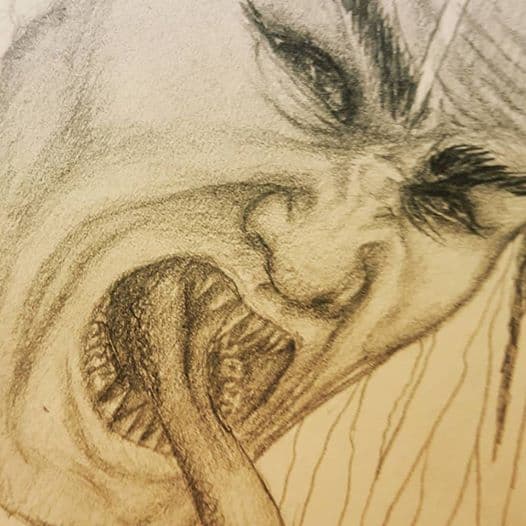
The Aswang is a broad category of malevolent, shape-shifting creatures in Filipino folklore, encompassing beings akin to vampires, ghouls, witches, and human-beast hybrids. These entities are deeply ingrained in Philippine mythology and are notorious for their predatory nature, often targeting vulnerable individuals and even fetuses. The Aswang is particularly feared for its ability to infiltrate human society and its behavior, which is seen as a stark inversion of traditional Filipino values.
Baku
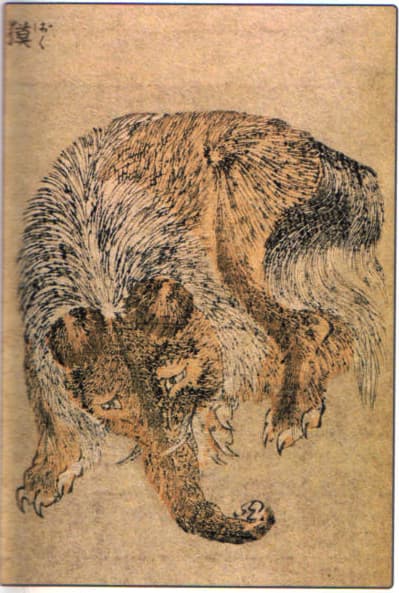
Baku are supernatural beings originating from Chinese folklore, known in Japan for their ability to devour nightmares. These creatures are said to have been formed from leftover pieces of divine creation, and they have a long history in Japanese folklore and art. While traditionally depicted as chimera-like beings, their form and specific attributes have evolved over time.

Gadulta
In folklore, a ghost is the spirit or soul of a deceased person or animal believed to manifest to the living. Descriptions vary from invisible presences to lifelike forms, and beliefs in ghosts date back to animism and ancestor worship. While science finds no proof of their existence, ghost sightings are sometimes attributed to neurological conditions or medications, and the concept remains prominent in horror fiction.