
Orobas
Orobas is a Great Prince of Hell documented in demonological texts like the Ars Goetia and Johann Weyer's Pseudomonarchia daemonum. He is notable for his comparatively favorable portrayal as a truthful and faithful spirit, often regarded as dependable among the goetic hierarchy.
Key Facts
- ›Orobas is a Great Prince of Hell commanding twenty legions of spirits.
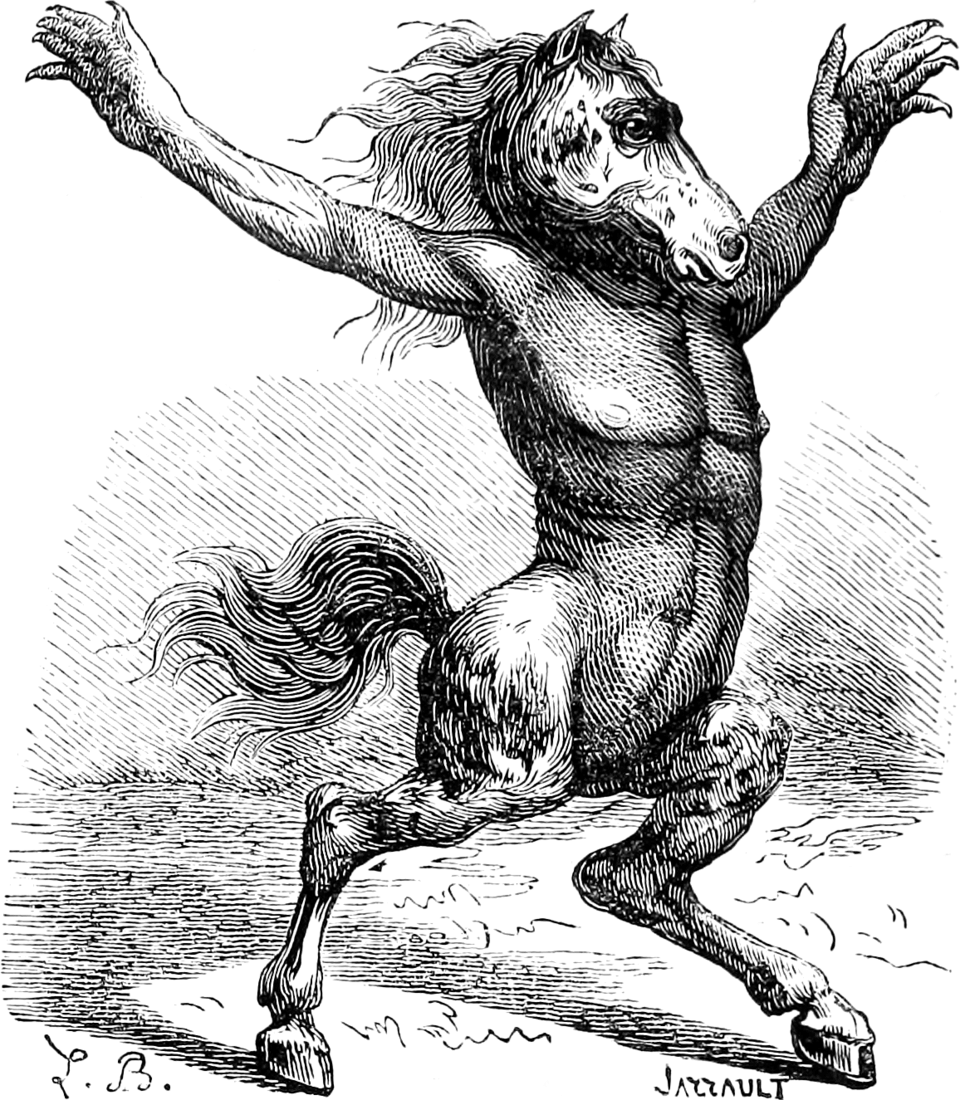
- ›He is described as appearing first in the form of a horse before assuming human form.
- ›Orobas possesses the power to reveal things past, present, and future.
- ›He can answer questions concerning divinity and the creation of the world.
- ›Orobas is attributed with the ability to grant dignities and prelacies, and procure the favor of friends and foes.
- ›He is portrayed as truthful and unwilling to permit deception or temptation by other spirits.
Divinity, Creation, Dignities, Prelacies, Favor of Friends and Foes, Truth
- Reveal Things Past, Present, and To Come
- Answer Questions Concerning Divinity and the Creation of the World
- Grant Dignities and Prelacies
- Procure the Favour of Both Friends and Foes
- Resist Deception and Temptation By Other Spirits
Ars Goetia, Pseudomonarchia Daemonum, Dictionnaire Infernal
Truthfulness, Faithfulness, Dependability
About Orobas
Orobas is a significant figure in demonology, primarily known from the Ars Goetia, the first book of the Lemegeton, also known as the Lesser Key of Solomon. This compilation, originating in the 17th century, draws upon earlier demonological traditions, including the work of Johann Weyer in his Pseudomonarchia daemonum. Orobas holds the rank of Great Prince of Hell and is said to command twenty legions of spirits.
Character and Attributes
Among the numerous spirits cataloged in the Ars Goetia, Orobas is often distinguished by its comparatively favorable characterization. The grimoire tradition explicitly describes Orobas as a truthful and faithful entity, unwilling to deceive or permit temptation by other spirits. This portrayal has led later occult practitioners to view Orobas as one of the more dependable figures within the goetic hierarchy.
Abilities and Influence
Orobas is attributed with a range of potent abilities. It can reveal secrets concerning the past, present, and future. Furthermore, Orobas is capable of answering profound questions regarding divinity and the creation of the world. Its influence extends to bestowing dignities and prelacies, and it is believed to be able to procure the favor of both friends and foes for those who successfully invoke it.
Appearance and Iconography
In the early grimoire tradition, Orobas's appearance is described as initially equine, transforming into a human form upon the exorcist's command. Later visual representations, notably the 19th-century illustration in Jacques Collin de Plancy's Dictionnaire Infernal after designs by Louis Le Breton, have contributed to a more fixed iconography for the demon, often depicting it with an anthropomorphic, horse-headed form.
Etymology and Legacy
The etymology of the name Orobas remains uncertain, with some later sources suggesting a connection to the Latin term orobias, possibly referring to a type of incense, though this derivation is not universally accepted. Orobas has maintained a recognizable presence in modern occultism, largely due to the widespread availability of Ars Goetia editions and the enduring influence of its visual depictions, even appearing in modern popular culture, such as in the film Lovely Molly.
Source: Wikipedia ↗
Frequently Asked Questions
What is Orobas?
Orobas is a demon described as a Great Prince of Hell in demonological texts. He is associated with revealing truths, granting dignities, and securing favor.
What are Orobas's powers?
Orobas can reveal past, present, and future events, answer questions about divinity and creation, grant dignities and prelacies, and procure the favor of friends and foes.
What is Orobas's appearance?
Orobas is said to first appear in the form of a horse, and then assume human form at the command of the exorcist.
Why is Orobas considered notable?
Orobas is notable for his relatively favorable description in grimoires, being portrayed as truthful and faithful to the conjurer, making him one of the more dependable figures in the goetic hierarchy.
Where is Orobas mentioned?
Orobas is mentioned in the Ars Goetia, the first book of the Lemegeton or Lesser Key of Solomon, and in Johann Weyer's Pseudomonarchia daemonum.
Related Demons
Baal/Bael
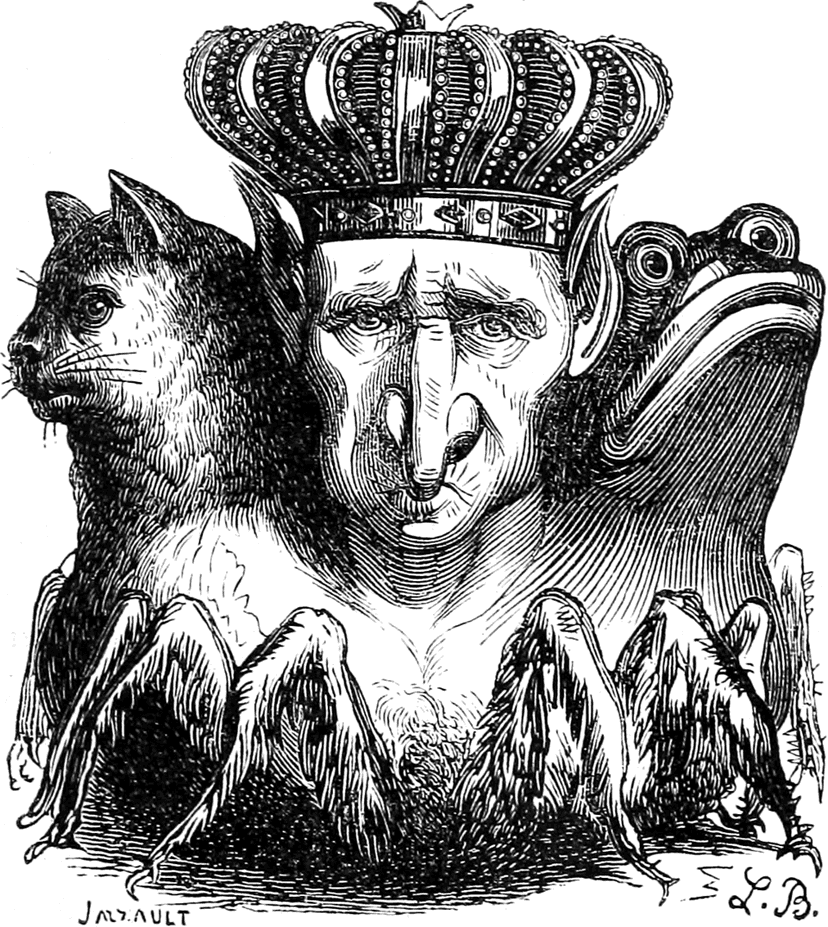
Bael is a demon prominently featured in demonological grimoires such as The Lesser Key of Solomon and the Pseudomonarchia Daemonum. He is depicted as a king who can grant invisibility and influence others, often described with a hoarse voice and a composite appearance. Bael is notable for his appearance in various occult texts and his recurring presence in modern popular culture.

Furcas/Forcas
Furcas, also known as Forcas, is a demon in demonology who holds the unique rank of Knight of Hell and commands twenty legions of demons. He is notable for teaching various philosophical and divinatory arts, including logic, rhetoric, astronomy, and chiromancy.

Gremory/Gomory
Gremory, also known as Gomory, is a demon described in various demonological grimoires, notably as a beautiful woman wearing a duchess's crown and riding a camel. She is attributed with the power to reveal hidden treasures and provide knowledge of the past, present, and future, as well as the ability to procure love. Gremory is often depicted as a duke ruling over numerous legions of spirits.