
Ördög
Ördög is a shape-shifting demonic creature central to Hungarian mythology and early paganism, traditionally seen as controlling the world's dark forces. After Christianization, Ördög became identified with the devil, and folklore often portrays him as an ambivalent helper to God in the creation of the world. He is notable for his role in tempting humans and collecting their souls.
Key Facts
- ›Ördög is a shape-shifting demon from Hungarian mythology and early paganism.
- ›He is associated with controlling the dark and evil forces of the world.
- ›Following Christianization, Ördög was identified with the devil.
- ›Folklore sometimes depicts him as aiding God in the creation of the world.
- ›Ördög's primary goal is to collect human souls.
- ›He is known to make bets with humans to corrupt them.
üRdüNg
Dark Forces, Evil Forces, Underworld, Hell, Corruption, Human Souls
Shape-Shifting, Subtle Manipulation, Making Bets, Controlling Dark and Evil Forces
God
Evil, Sin, Corruption
Pitchfork, Cauldron
About Ördög
Ördög is a prominent figure in Hungarian mythology and the traditions of early Hungarian paganism. This shape-shifting demonic creature is traditionally understood to wield control over the dark and evil forces that permeate the world. Following the Christianization of Hungary, Ördög became intrinsically linked with the concept of the devil in Christian theology.
Creation and Ambivalence
Hungarian folklore frequently recounts a fascinating duality in Ördög's role, suggesting that God (Isten) received assistance from Ördög during the very act of creating the world. This portrayal hints at a complex, sometimes ambivalent relationship between divine and infernal powers within the mythological framework.
Appearance and Abode
Ördög's appearance is often described with distinctly bestial and infernal features. He is commonly depicted as resembling a satyr or faun, possessing the upper torso of a human male and the lower body of a goat. His typical attributes include pitch-black skin, cloven hooves, ram-like horns, a long tail that terminates in a blade, and the iconic pitchfork. A notable characteristic is his overly large phallus. Ördög's dwelling place is the underworld or hell, known as Pokol in Hungarian, where he is said to constantly tend a vast cauldron filled with the souls of those who lived lives of sin. However, the precise nature of the pre-Christian Hungarian underworld as a place of punishment remains uncertain, as the term 'Pokol' gained currency after the advent of Christianity.
Earthly Manifestations and Objectives
When Ördög ventures to the earthly realm, legends describe him employing various means of presence. Some tales suggest he hides within the walls of his intended victims, emitting subtle, high-pitched, squeaky noises to torment them. Other narratives portray him taking on different guises, such as a fox, a dark flame, or even a Hungarian shepherd with captivating, dark, sparkling eyes. His primary modus operandi involves engaging humans in bets, aiming to corrupt them and ultimately secure their souls. Ördög's overarching, long-term ambition is the continuous accumulation of human souls (lelkek).
Source: Wikipedia ↗
Frequently Asked Questions
What is Ördög?
Ördög is a shape-shifting, demonic creature from Hungarian mythology and early Hungarian paganism. He is traditionally seen as controlling the dark and evil forces of the world.
What is Ördög's role in Hungarian mythology?
In Hungarian mythology, Ördög is often depicted as a being who controls dark forces. He is also sometimes said to have assisted God in the creation of the world. After Christianization, he became identified with the devil.
What does Ördög look like?
Ördög is often described as resembling a satyr or faun, with the upper body of a human male and the lower body of a goat. He typically has pitch-black skin, cloven hooves, ram-like horns, a long tail with a blade, and carries a pitchfork. He is also distinguished by an overly large phallus.
Where does Ördög live?
Ördög dwells in the underworld or hell, known as Pokol in Hungarian. Here, he is said to stir a large cauldron filled with the souls of those who lived in sin.
How does Ördög interact with humans?
When Ördög comes to Earth, he may hide in the walls of victims, making subtle, high-pitched noises. In other legends, he can transform into a fox, a dark flame, or a Hungarian shepherd with dark, sparkling eyes. He often makes bets with humans to try and corrupt them and collect their souls.
Related Demons
Apaosha
Apaosha is the demon of drought in Zoroastrianism, representing the antithesis of Tishtrya, the divinity of rainfall. He is notably depicted in the Avesta as a dark horse battling Tishtrya, symbolizing the struggle against arid conditions. Apaosha's defeat by Tishtrya is a key mythological narrative explaining the onset of the rainy season.
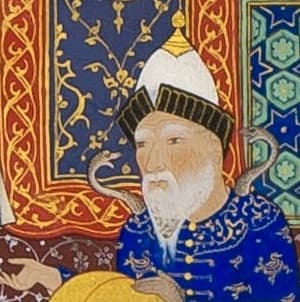
Azi Dahaka/Dahak
Aži Dahāka, also known as Zahhāk, is a prominent figure of evil in Iranian mythology and Zoroastrian tradition, often depicted as a monstrous serpent or dragon. He is notable for his role as a tyrannical king who ruled for a thousand years, feeding human brains to two snakes that grew from his shoulders, and for his eventual defeat and imprisonment by the hero Fereydun.
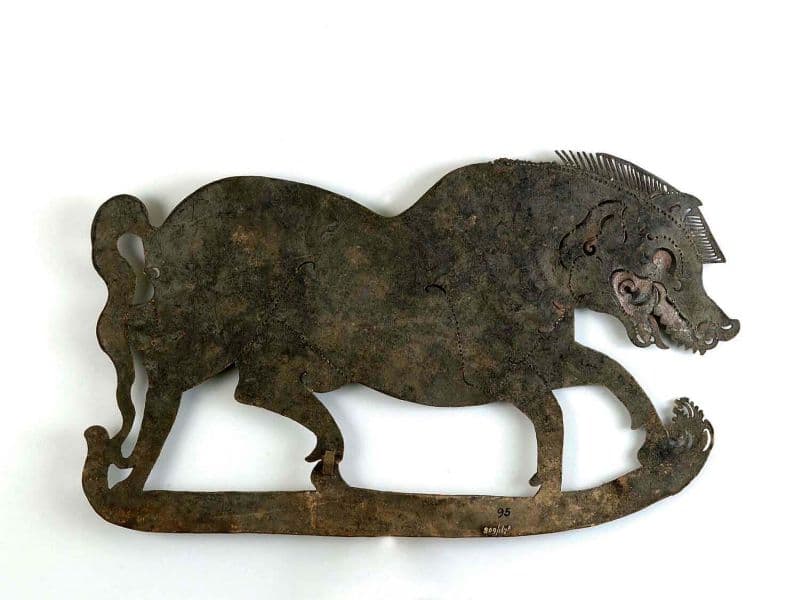
Babi ngepet
Babi ngepet is a boar demon from Indonesian mythology, particularly known in Java and Bali. It is believed to be the manifestation of individuals practicing black magic known as pesugihan babi, a ritual for instant wealth acquisition that requires sacrificing one's humanity and transforming into a boar. This demon is notable for its role in local folklore as a supernatural thief, capable of stealing valuables by transforming into a boar.