
Babi ngepet
Babi ngepet is a boar demon from Indonesian mythology, particularly known in Java and Bali. It is believed to be the manifestation of individuals practicing black magic known as pesugihan babi, a ritual for instant wealth acquisition that requires sacrificing one's humanity and transforming into a boar. This demon is notable for its role in local folklore as a supernatural thief, capable of stealing valuables by transforming into a boar.
Key Facts
- ›Babi ngepet is a boar demon in Indonesian mythology, prevalent in Java and Bali.
- ›It is associated with pesugihan babi, a black magic practice for rapid wealth.
- ›Practitioners sacrifice their humanity, transforming into a boar to steal money and jewelry.
- ›The stolen items magically fill the practitioner's black robes upon transformation back to human form.
- ›An assistant guards a lit candle to monitor the Babi ngepet's safety during its nocturnal raids.
- ›Skeptical interpretations suggest it may explain unexplained thefts or serve as pest control for wild boars.

Wealth, Theft, Transformation
Shapeshifting Into A Boar, Magically Stealing Valuables, Human-Animal Transformation
Greed, Sacrifice of Humanity For Wealth
- Pesugihan Babi Involves Transforming Into A Boar For Wealth.
- A Practitioner Requires An Assistant To Guard A Lit Candle During the Ritual.
- Similar Concepts of Human-Animal Transformation Exist In Western Werewolf Myths.
Boar, Piggy Bank
About Babi ngepet
Babi ngepet is a supernatural entity from Indonesian mythology, primarily associated with the islands of Java and Bali. It is understood as a "boar demon" and is deeply intertwined with local folklore concerning wealth acquisition and black magic.
Pesugihan Babi and Wealth Magic
The core concept behind Babi ngepet is its connection to a practice known as pesugihan babi. The Javanese word sugih means "rich," and pesugihan refers to magical means of becoming wealthy instantly. However, this magic comes at a profound cost: the practitioner must sacrifice their humanity, often by transforming into a boar for a period or allowing themselves to be possessed by a boar demon. This human-animal transformation shares thematic similarities with shapeshifting or werewolf legends found in Western traditions.
The Nocturnal Thief
According to local myths, a person practicing pesugihan babi will don black robes and undergo a transformation into the Babi ngepet. In its boar form, the demon roams villages at night, scratching its body against walls, doors, and furniture. This act magically causes money, gold, and jewelry to disappear from villagers' homes, which are then carried away by the Babi ngepet. Upon its successful return and transformation back into human form, the black robes are said to be filled with the stolen wealth.
The Assistant's Role and Skeptical Interpretations
The practice of Babi ngepet requires the assistance of another individual. This assistant's crucial task is to remain at home and guard a lit candle floating on a basin of water. If the candle flame wavers, fades, or threatens to extinguish, it signifies that the Babi ngepet is in peril, possibly caught in the act by villagers or in the process of reverting to its human form. This belief has historically led Javanese villagers to take swift action against any boar found wandering in their villages at night, sometimes resulting in the boar's death.
From a more skeptical viewpoint, the legend of the Babi ngepet may have served as a traditional explanation for unexplained financial losses or mysterious thefts within a village, attributing them to the presence of wild boars. It is also theorized that the myth could have functioned as a practical method of pest control, encouraging villagers to eliminate wild boars that threatened their crops and stored goods. The association of boars with fortune and wealth might also stem from older Javanese pre-Islamic and pre-Hindu-Buddhist beliefs, akin to the word Celengan, meaning "piggy bank" in Javanese, which is derived from Celeng, the Javanese word for "boar."
Source: Wikipedia ↗
Frequently Asked Questions
What is Babi ngepet?
Babi ngepet is a boar demon originating from Indonesian mythology, particularly in Java and Bali. It is believed to be a supernatural entity that manifests as a boar.
What is the purpose of Babi ngepet?
The Babi ngepet is associated with pesugihan babi, a form of black magic aimed at acquiring wealth quickly. The demon is thought to steal valuables like money and jewelry from villagers to enrich its practitioner.
How does Babi ngepet operate?
Individuals practicing pesugihan babi transform into a boar, either temporarily or through possession. In this form, the boar demon roams villages, scratching walls and furniture to magically collect belongings. Its practitioner is aided by an assistant who guards a candle that indicates the demon's status.
What happens if the Babi ngepet is discovered?
If the Babi ngepet is caught or endangered, the candle guarded by its assistant will flicker or extinguish. This is a sign that the demon is in danger or returning to human form. This belief has led villagers to chase and sometimes kill boars found wandering at night.
What are alternative interpretations of Babi ngepet?
Skeptical views suggest that the Babi ngepet myth may have served as a traditional explanation for mysterious thefts or unexplained losses of fortune. It might also have been a method of pest control to deter wild boars from damaging crops and property. The association with wealth could stem from older Javanese beliefs linking boars to prosperity.
Related Demons
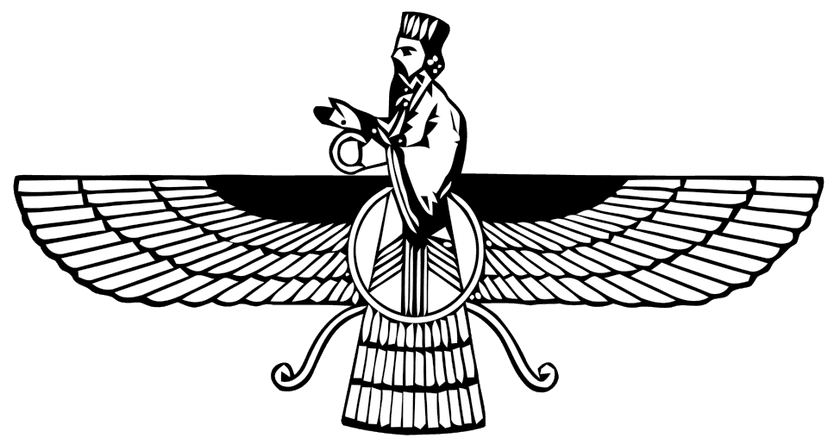
Apaosha
Apaosha is the demon of drought in Zoroastrianism, representing the antithesis of Tishtrya, the divinity of rainfall. He is notably depicted in the Avesta as a dark horse battling Tishtrya, symbolizing the struggle against arid conditions. Apaosha's defeat by Tishtrya is a key mythological narrative explaining the onset of the rainy season.
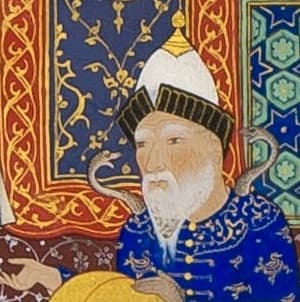
Azi Dahaka/Dahak
Aži Dahāka, also known as Zahhāk, is a prominent figure of evil in Iranian mythology and Zoroastrian tradition, often depicted as a monstrous serpent or dragon. He is notable for his role as a tyrannical king who ruled for a thousand years, feeding human brains to two snakes that grew from his shoulders, and for his eventual defeat and imprisonment by the hero Fereydun.
Ghaddar
Ghaddar is a demon featured in Islamic mythology and folklore, often depicted as a female being resembling dogs or goats. Sired by Iblis, she is known for preying on men, assaulting them, and mutilating their genitalia. Ghaddar is traditionally believed to inhabit deserts near the Red Sea.