
Niuli
English folklore·Folklore·England·Household spirit
A hobgoblin is a type of household spirit originating in English folklore, traditionally depicted as small, hairy, and often helpful, performing domestic chores while families sleep. While similar to brownies, hobgoblins are known for their mischievous nature and penchant for practical jokes, though they can also be frightening or even dangerous. Their appearance and behavior have evolved, featuring in literature, fantasy, and popular culture.
Key Facts
- ›Hobgoblins are household spirits from English folklore, often depicted as small, hairy men.
- ›They perform domestic chores like dusting and ironing, typically in exchange for food.
- ›Unlike more peaceful brownies, hobgoblins are known for their fondness for practical jokes.
- ›Hobgoblins are said to be easily annoyed and can be mischievous, frightening, or dangerous.
- ›Attempts to give them clothing can sometimes banish them permanently.
- ›Notable literary figures associated with hobgoblins include Puck in Shakespeare's 'a Midsummer Night's Dream'.
Hobgoblin, Hob, Robin Goodfellow, Billy Blind, Blue Burches, Robin Roundcap, Dobby, Bauchan, Bwbach, Boobach, Lubbar Fend, Lob-Lie-By-the-Fire, Hobberdy Dick
Household Chores, Mischief, Practical Jokes
Performing Domestic Chores, Shapeshifting, Mischief-Making, Providing Information and Advice, Curing Whooping Cough
A Midsummer Night's Dream, Ballads Collected By F. J. Child, L'Allegro, the Knight of the Burning Pestle, Hobberdy Dick, Harry Potter Series, the Spiderwick Chronicles
Puck, Robin Goodfellow, Billy Blind, Blue Burches, Robin Roundcap, Dobby, Brownies, Boggart, Bauchan, Bwbach, Lubbar Fend, Lob-Lie-By-the-Fire, Hobberdy Dick, Tolkien's Orcs/Goblins, Spiderwick Hobgoblin
Mischief, Domesticity, Pranks, Easily Annoyed, Pride
Clergymen
Brownies, Bauchan, Bwbach
About Niuli
What is a Hobgoblin?
A hobgoblin is a type of household spirit originating in English folklore. These beings are traditionally depicted as small, hairy men who inhabit human dwellings. They are often described as being helpful, performing domestic chores such as dusting, ironing, and threshing corn while the family sleeps. Their name derives from 'hob,' an old English term for a familiar spirit or rustic.
Folklore and Characteristics
While similar to their close relatives, the brownies, hobgoblins are distinguished by their more mischievous nature. They are known for their fondness for practical jokes and can sometimes be frightening or even dangerous, though many are less antagonizing. Hobgoblins are easily annoyed, and attempts to give them clothing are said to sometimes banish them permanently, though the reasons for this vary in different tellings.
Notable Examples and Variations
Several specific hobgoblins are documented in folklore and literature. Puck, also known as Robin Goodfellow, is perhaps the most famous and mischievous hobgoblin, famously featured in Shakespeare's A Midsummer Night's Dream. Other examples include Billy Blind, who offers advice to humans; Blue Burches, a shapeshifter from Somerset; and Robin Roundcap, a hearth spirit confined in a well for his pranks. In Wales, the bwbach is a similar domestic hobgoblin, and in Scotland, the bauchan shares these characteristics. The term 'dobby' is also used in some regions for a hobgoblin, notably in Lancashire and Yorkshire.
Hobgoblins in Literature and Popular Culture
Hobgoblins have appeared in various literary works. John Milton's poem 'L'Allegro' mentions a Lubbar Fend, a strong and hairy domestic hobgoblin, and Francis Beaumont's 'The Knight of the Burning Pestle' features Lob-Lie-by-the-Fire. The concept of the hobgoblin has also been adapted into modern fantasy and popular culture, including Tolkien's creation of orcs (sometimes translated as hobgoblins) and the character of Dobby the house-elf in the Harry Potter series. In Marvel Comics, 'Hobgoblin' is the alias of several supervillains.
Source: Wikipedia ↗
Frequently Asked Questions
What is a hobgoblin?
A hobgoblin is a household spirit from English folklore. They are typically described as small, hairy men who perform chores around the house, often while the family is asleep.
What is the difference between a hobgoblin and a brownie?
While both are household spirits, hobgoblins are generally more mischievous and fond of practical jokes than the more peaceful brownies. Both perform chores but have different temperaments.
What kind of chores do hobgoblins do?
Hobgoblins are known to do odd jobs around the house such as dusting, ironing, and threshing corn. These tasks are usually performed while the human inhabitants are asleep.
What do hobgoblins want in return for their help?
Often, the only compensation hobgoblins require for their services is food. They are typically appeased with offerings of meals or bowls of cream.
Are hobgoblins always helpful?
While they can be helpful, hobgoblins are also known for their mischievous nature. They may play practical jokes, kick over milk pails, or extinguish fires when in a playful or annoyed mood.
Can hobgoblins change their appearance?
Yes, hobgoblins are often said to be able to shapeshift. Examples include taking the form of animals or wisps of smoke, as seen in some folklore and literary depictions.
Related Demons
Aswang
The Aswang is a broad category of malevolent, shape-shifting creatures in Filipino folklore, encompassing beings akin to vampires, ghouls, witches, and human-beast hybrids. These entities are deeply ingrained in Philippine mythology and are notorious for their predatory nature, often targeting vulnerable individuals and even fetuses. The Aswang is particularly feared for its ability to infiltrate human society and its behavior, which is seen as a stark inversion of traditional Filipino values.
Baku
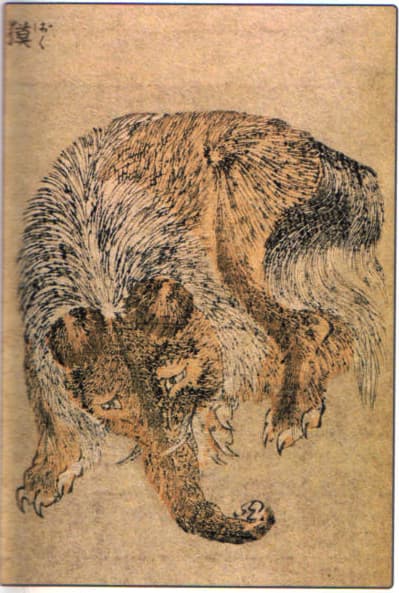
Baku are supernatural beings originating from Chinese folklore, known in Japan for their ability to devour nightmares. These creatures are said to have been formed from leftover pieces of divine creation, and they have a long history in Japanese folklore and art. While traditionally depicted as chimera-like beings, their form and specific attributes have evolved over time.

Gadulta
In folklore, a ghost is the spirit or soul of a deceased person or animal believed to manifest to the living. Descriptions vary from invisible presences to lifelike forms, and beliefs in ghosts date back to animism and ancestor worship. While science finds no proof of their existence, ghost sightings are sometimes attributed to neurological conditions or medications, and the concept remains prominent in horror fiction.