
Naberius/Cerbere/Naberus
Naberius, also known as Cerberus or Naberus, is a demon prominently featured in 16th-century demonology, particularly in the works of Johann Weyer. He is described as a valiant Marquess of Hell commanding nineteen legions of demons. Naberius is notable for his ability to bestow cunning in arts and sciences, especially rhetoric, and for his dual role in either restoring or causing the loss of dignities and honors.
Key Facts
- ›Naberius is a Marquess of Hell commanding nineteen legions of demons.
- ›He is credited with making individuals cunning in all arts and sciences, with a particular emphasis on rhetoric.
- ›Naberius is said to restore lost dignities and honors, though some accounts attribute the loss of these to him.
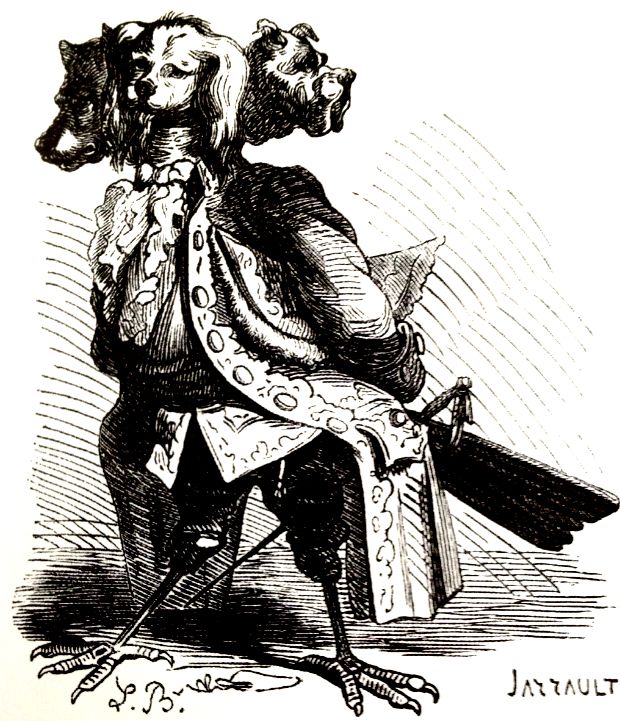
- ›He is described as appearing as a three-headed dog or a raven/crow/black crane.
- ›His voice is often characterized as hoarse, despite his ability to teach eloquence.
- ›First mentioned by Johann Weyer in 1583.
Cerbere, Cerberus, Naberus, Nebiros
Arts, Sciences, Rhetoric, Dignities, Honors
Makes Men Cunning In All Arts and Sciences, Specializes In Teaching Rhetoric, Restores Lost Dignities and Honors, Causes the Loss of Prelacies and Dignities
Pseudomonarchia Daemonum, the Lesser Key of Solomon
- Potential Association With the Greek Mythological Figure Cerberus.
Three-Headed Dog, Raven, Crow, Black Crane
About Naberius/Cerbere/Naberus
Naberius, also referred to as Cerberus, Naberus, or Nebiros, is a demon first documented in the 16th century, most notably by Johann Weyer in his 1583 work.
Description and Abilities
He is described as a valiant Marquess of Hell, commanding nineteen legions of demons. Naberius is renowned for his ability to bestow cunning and skill in all arts and sciences, with a particular emphasis on rhetoric. He is also said to possess the power to restore lost dignities and honors, although some accounts attribute the loss of these to him.
Appearance
Naberius's appearance is varied in descriptions. He is commonly depicted as a three-headed dog, or alternatively as a raven, crow, or black crane. Despite a typically raucous voice, he is presented as eloquent and amiable, teaching the art of gracious living.
Origins and Associations
While his exact origins are debated, the name Naberius is sometimes considered synonymous with Cerberus, the multi-headed dog from Greek mythology that guards the entrance to the underworld. Johann Weyer himself posited this connection in 1583. Naberius is firmly situated within the tradition of Christian demonology and occult texts such as "The Lesser Key of Solomon."
Source: Wikipedia ↗
Frequently Asked Questions
What is Naberius known for?
Naberius is primarily known for bestowing knowledge and skill in arts and sciences, especially rhetoric. He is also associated with the restoration or loss of dignities and honors.
What does Naberius look like?
Descriptions of Naberius's appearance vary, but he is commonly depicted as a three-headed dog or as a raven, crow, or black crane.
What is Naberius's rank in Hell?
Naberius is described as a valiant Marquess of Hell, holding command over nineteen legions of demons.
Is Naberius related to Cerberus?
The name Naberius is sometimes equated with Cerberus, the mythological guardian of the underworld. Johann Weyer, in 1583, considered them to be the same demon.
What tradition does Naberius come from?
Naberius originates from Christian demonology and occult traditions, notably documented in the 16th century.
Related Demons

Buer
Buer is a Great President of Hell, commanding fifty legions of demons, as described in the 16th-century grimoire Pseudomonarchia Daemonum. He is notable for his teachings on philosophy, logic, and herbalism, as well as his ability to heal and bestow familiars. Buer's appearance is often depicted as a wheel with multiple legs or a lion's head with goat legs.

Furcas/Forcas
Furcas, also known as Forcas, is a demon in demonology who holds the unique rank of Knight of Hell and commands twenty legions of demons. He is notable for teaching various philosophical and divinatory arts, including logic, rhetoric, astronomy, and chiromancy.
Pruflas
Pruflas is a demon listed in the Pseudomonarchia Daemonum, an appendix to Johann Weyer's 1577 work De praestigiis daemonum. Unlike later demonological texts such as the Ars Goetia, Pruflas is unique to the Pseudomonarchia and is not assigned any specific sigil.