
Moloch
Canaanite (traditional interpretation), Hebrew Bible·Demonology, Mythology, Theology, Religious Texts·Ancient Near East (Canaan, Israel)·Deity (traditional interpretation), Sacrificial Rite (scholarly theory)
Moloch, also known as Molech or Molek, is a figure primarily mentioned in the Hebrew Bible, with its exact nature being a subject of scholarly debate. Traditionally interpreted as a Canaanite deity associated with child sacrifice, some modern scholars propose "Moloch" may refer to the sacrificial rite itself. Its name carries strong negative connotations, symbolizing a power that demands dire sacrifice, and it has been depicted as a bull-headed idol.
Key Facts
- ›Moloch is mentioned primarily in the Hebrew Bible, particularly in Leviticus, 1 Kings, 2 Kings, and Jeremiah.
- ›The Septuagint, a Greek translation of the Hebrew Bible, sometimes translates Moloch as "their king" but retains the name in other instances.
- ›Scholarly debate exists on whether Moloch refers to a deity or a specific type of sacrifice, a theory gaining popularity since 1935.
- ›Biblical passages strongly condemn practices associated with Moloch, heavily implying child sacrifice.
- ›Medieval and later depictions often portray Moloch as a bull-headed idol with outstretched hands over a fire.
- ›Moloch has been used figuratively in modern times to represent destructive powers demanding great sacrifice.

Molech, Molek, Moloch, Melekh Yahweh
Child Sacrifice, Idolatry, Forbidden Rituals, Destructive Power
Hebrew Bible, Greek Septuagint, Latin Vulgate, Talmud, Midrash
Chemosh, Milcom, Baal, Yahweh, Solomon, Josiah, Minotaur, Cronus/Baal Hammon
Abomination, Idolatry, Child Sacrifice, Shame, Denial of God's Name, Destructive Power, Foreign Cults
- Practices Condemned In Leviticus Involved Giving One's Seed To Moloch.
- In 2 Kings, Moloch Is Associated With the Tophet In the Valley of Gehenna, Where Children Were Made To Pass Through Fire.
- Medieval Rabbinical Traditions Describe A Moloch Idol With A Calf's Face and Offerings Placed In Its Outstretched Hands To Be Burned.
Yahweh, the People of Israel
- In Punic Language, 'Mlk' Refers To A Type of Sacrifice, Which Forms the Basis For the Theory That Moloch Is Not A Deity.
- Connections Are Drawn To Mesopotamian Deities Like Nergal and Ugaritic Mlk, and Phoenician Melqart, Due To Name Similarities and Potential Underworld Associations.
Fire, Outstretched Hands, Bull's Head, Child Sacrifice
About Moloch
Moloch: A Figure of Divine Condemnation and Scholarly Debate
Moloch, also known by variations such as Molech or Molek, is a name that appears prominently in the Hebrew Bible, particularly in the Book of Leviticus. It is most often associated with a practice intensely condemned by Israelite law: the sacrifice of children.
Biblical Context and Scholarly Interpretation
Traditionally, Moloch has been understood as a Canaanite deity to whom these horrific sacrifices were offered, a practice seen as a grave offense against Yahweh. The Greek Septuagint often translates the name as "their king" but retains "Moloch" in other instances. However, since the mid-20th century, a significant scholarly debate has emerged. Many scholars now propose that "Moloch" might not refer to a deity at all, but rather to the sacrificial rite itself, drawing parallels with the Punic word 'mlk' which denotes a specific type of sacrifice.
Rituals and Depictions
The biblical texts are explicit in their condemnation, with Leviticus repeatedly forbidding Israelites from giving their offspring to Moloch. The ritual is often described as making children "pass through the fire." While the Bible does not provide a detailed physical description of Moloch itself, later medieval and modern interpretations have solidified an iconic image: a bull-headed idol with outstretched arms positioned over a fire, onto which the sacrificial child was placed. This imagery is a synthesis of biblical accounts, classical descriptions of Carthaginian child sacrifice, and mythological figures like the Minotaur.
Modern Significance
In contemporary culture, the name "Moloch" has transcended its ancient context to become a potent symbol. It is frequently used figuratively in literature and film to represent any abstract, destructive power or system that demands immense and dire sacrifice, often at the cost of human life and innocence.
Source: Wikipedia ↗
Frequently Asked Questions
What is Moloch?
Moloch is a term appearing in the Hebrew Bible, primarily associated with practices condemned in Leviticus. Its exact meaning is debated, with traditional interpretations identifying it as a Canaanite deity to whom child sacrifices were offered, while modern scholarship suggests it might refer to the sacrificial rite itself.
Where is Moloch mentioned in the Bible?
Moloch is most frequently mentioned in the Book of Leviticus, where the practice of offering children to it is forbidden. It also appears in 1 Kings, 2 Kings, and the Book of Jeremiah, often in contexts condemning idolatry and child sacrifice.
What were the practices associated with Moloch?
The practices associated with Moloch are heavily implied to include child sacrifice, where children were made to 'pass through the fire.' These rituals are consistently condemned throughout the Hebrew Bible as an abomination.
Is Moloch a god or a type of sacrifice?
This is a central point of scholarly debate. While traditionally understood as a god, since 1935, many scholars have argued that 'Moloch' (or its related Punic term 'mlk') refers to a type of sacrifice, particularly child sacrifice.
How is Moloch depicted in art and literature?
Since the medieval period, Moloch has often been depicted as a bull-headed idol with outstretched hands over a fire, onto which sacrificial children were placed. This imagery draws from biblical descriptions, ancient accounts of Carthaginian sacrifice, and mythological figures like the Minotaur. In modern literature and film, 'Moloch' is often used figuratively to represent abstract powers demanding extreme sacrifice.
Related Demons
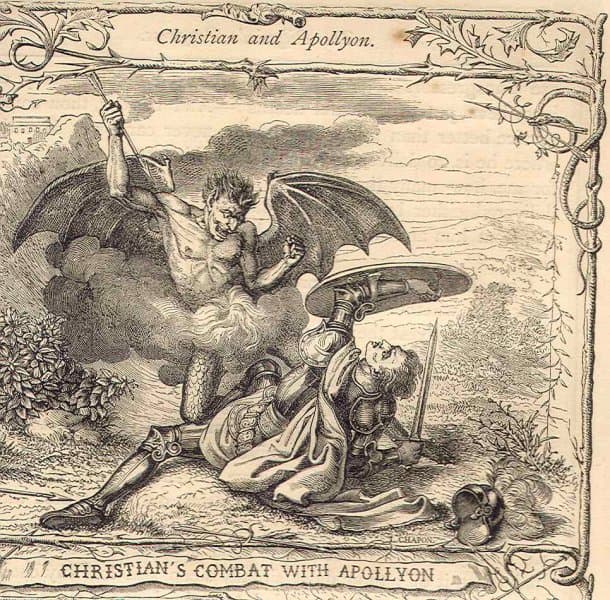
Abaddon/Apollyon
Abaddon, also known as Apollyon in Greek, is a figure appearing in biblical texts as both a place of destruction and a powerful angel associated with the abyss. Primarily recognized from the Hebrew Bible and the New Testament's Book of Revelation, Abaddon is often depicted as a destroyer or the king of a demonic army. Its significance lies in its multifaceted interpretations across various religious and literary traditions, evolving from a concept of ruin to a specific angelic or demonic entity.

Abyzou
Abyzou is a female demon prominently featured in the folklore and demonological texts of the Near East and Europe, especially known for causing miscarriages and infant mortality. Driven by envy due to her own infertility, she is depicted as a malevolent entity with numerous names and forms. Her fullest depiction is in the Testament of Solomon, and she is also associated with figures like Gylou and Alabasandria, appearing on ancient magical amulets.
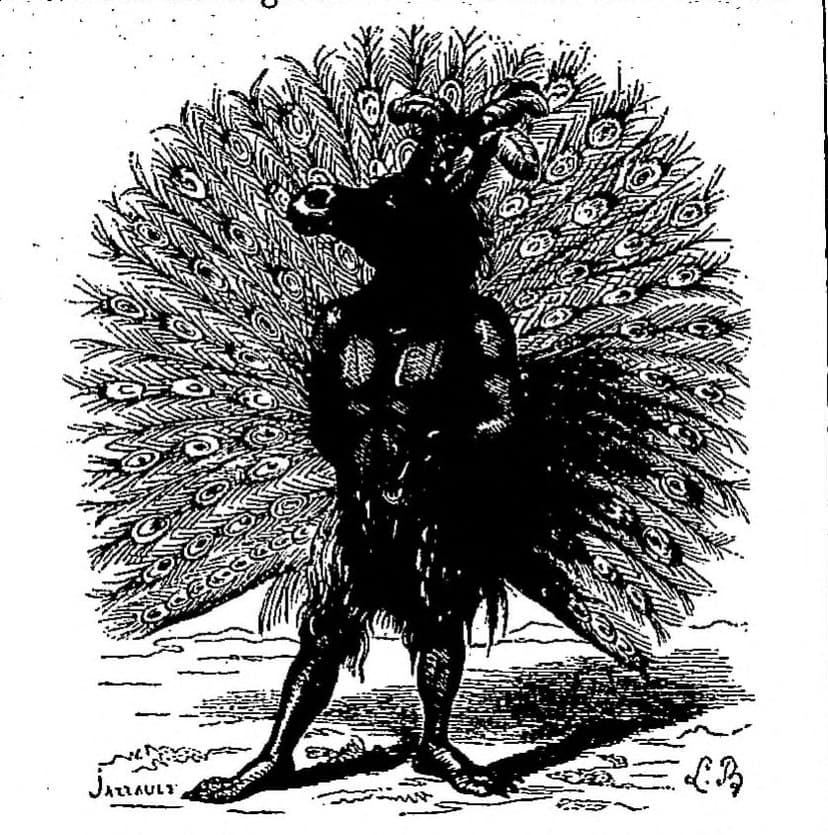
Adrammelech
Adrammelech is an ancient Semitic deity associated with the people of Sepharvaim, who, according to biblical accounts, practiced child sacrifice to him and his consort Anammelech. In later Judeo-Christian demonology, Adrammelech is reinterpreted as a fallen angel and a high-ranking demon, often depicted with a hybrid appearance and holding significant positions in Hell.