
Malphas
Demonology·Demonology·European (primarily Western European)·Demon
Malphas is a powerful demon described in demonological texts as a Great President of Hell, commanding 40 legions. He is known for his ability to build structures, sow discord among enemies, and grant familiars, though he is also known to deceive those who offer him sacrifices. Malphas is notable for his significant presence in modern popular culture, particularly in video games.
Key Facts
- ›Malphas is described as a mighty Great President of Hell.
- ›He commands 40 legions of demons.
- ›Malphas can build houses, high towers, and strongholds.
- ›He is capable of destroying enemies' buildings, desires, and thoughts.
- ›Malphas can provide good familiars and quickly gather artificers.
- ›He is known to deceive conjurers after accepting sacrifices.
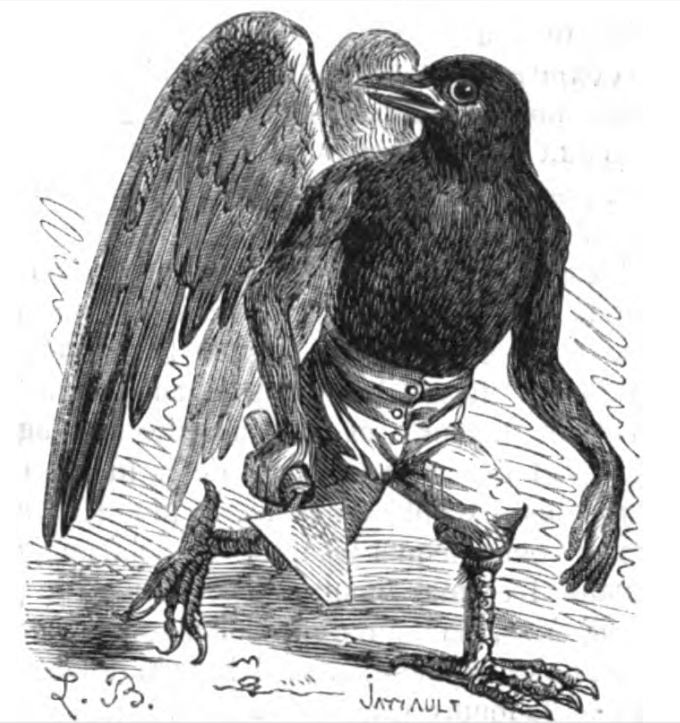
Marphos
Construction, Destruction, Deception, Knowledge of Enemies' Desires and Thoughts, Gathering Artificers, Familiars
- Builds Houses, High Towers, and Strongholds
- Destroys Buildings of Enemies
- Destroys Enemies' Desires Or Thoughts
- Makes Enemies' Desires Or Thoughts Known To the Conjurer
- Gives Good Familiars
- Quickly Brings Artificers Together From All Places of the World
- Deceives Conjurers
- Pseudomonarchia Daemonum
- the Lesser Key of Solomon
- the Goetia: the Lesser Key of Solomon the King
Satan
Deceit, Ambition, Discord
- Accepts Sacrifices Willingly and Kindly.
- Is Known To Deceive the Conjurer After Accepting Sacrifice.
About Malphas
In the grim hierarchy of demonology, Malphas stands as a formidable entity, recognized as a Great President of Hell. His existence is primarily documented in foundational texts such as Johann Weyer's Pseudomonarchia Daemonum and the Lesser Key of Solomon. These sources detail his significant command, overseeing 40 legions of demons and holding a position of high authority, reportedly second only to Satan himself.
Malphas is attributed with a wide range of powers and influences. He is capable of constructing impressive edifices, including high towers and strongholds, reflecting an aspect of creation. Conversely, he can also bring about the downfall of enemies' structures and sow chaos by destroying their desires and thoughts, even making these hidden intentions known to the one who conjures him. Furthermore, Malphas is said to provide beneficial familiars and possesses the ability to swiftly gather skilled artificers from across the globe, suggesting influence over craftsmanship and labor.
Despite these potentially useful abilities, Malphas carries a reputation for deceit. He is described as accepting sacrifices with apparent kindness, yet he is known to ultimately betray and deceive the conjurer. His appearance is typically that of a raven, a form often associated with ill omen, but he can transform into a man with a hoarse voice if so requested by the summoner.
In more recent times, Malphas has found a notable presence in popular culture, particularly within the realm of video games. He has been featured as a significant antagonist in titles such as Diablo IV, Devil May Cry 5, the Bayonetta series, Shin Megami Tensei, and Castlevania, among others, solidifying his image as a powerful and often malevolent force in contemporary entertainment.
Source: Wikipedia ↗
Frequently Asked Questions
What is Malphas known for in demonology?
In demonology, Malphas is recognized as a Great President of Hell. He is known for his ability to construct buildings, sow destruction among enemies, and provide familiars, though he is also noted for his deceitful nature.
What are Malphas's primary abilities?
Malphas is said to build houses, high towers, and strongholds. He can also destroy the buildings and desires of enemies, and is able to quickly bring artificers together from around the world. He can also grant good familiars.
Does Malphas have any weaknesses or deceptive traits?
Yes, Malphas is known to deceive conjurers. While he accepts sacrifices willingly, he will allegedly mislead those who offer them.
What is Malphas's appearance?
Malphas initially appears as a raven. However, if the conjurer requests it, he can transform to resemble a man with a hoarse voice.
Where is Malphas first mentioned?
Malphas first appears in Johann Weyer's Pseudomonarchia Daemonum. He is also described in the Lesser Key of Solomon.
Related Demons
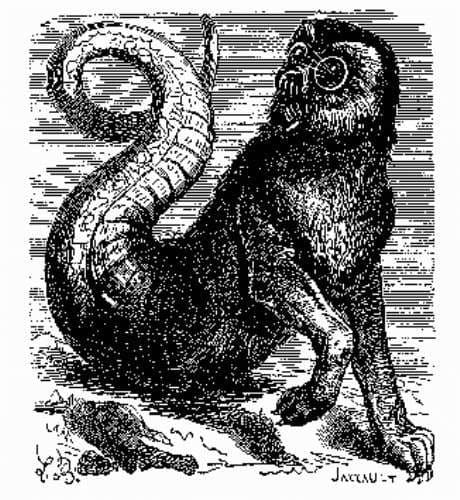
Aamon/Amon
Aamon, also known as Amon, is a Grand Marquis of Hell in demonology, commanding 40 infernal legions according to the Ars Goetia. He is notable for his knowledge of the past and future, his ability to reconcile friends and foes, and his association with life and reproduction. His origins are linked to ancient Libyan and Punic deities.
Alloces/Allocer
Alloces is a demon described in various demonological grimoires as a duke with the power to teach astronomy and liberal sciences. He is notably depicted as a lion-headed soldier riding a horse, commanding legions of demons. His role and appearance can vary between different texts, with some sources attributing different ranks and abilities.
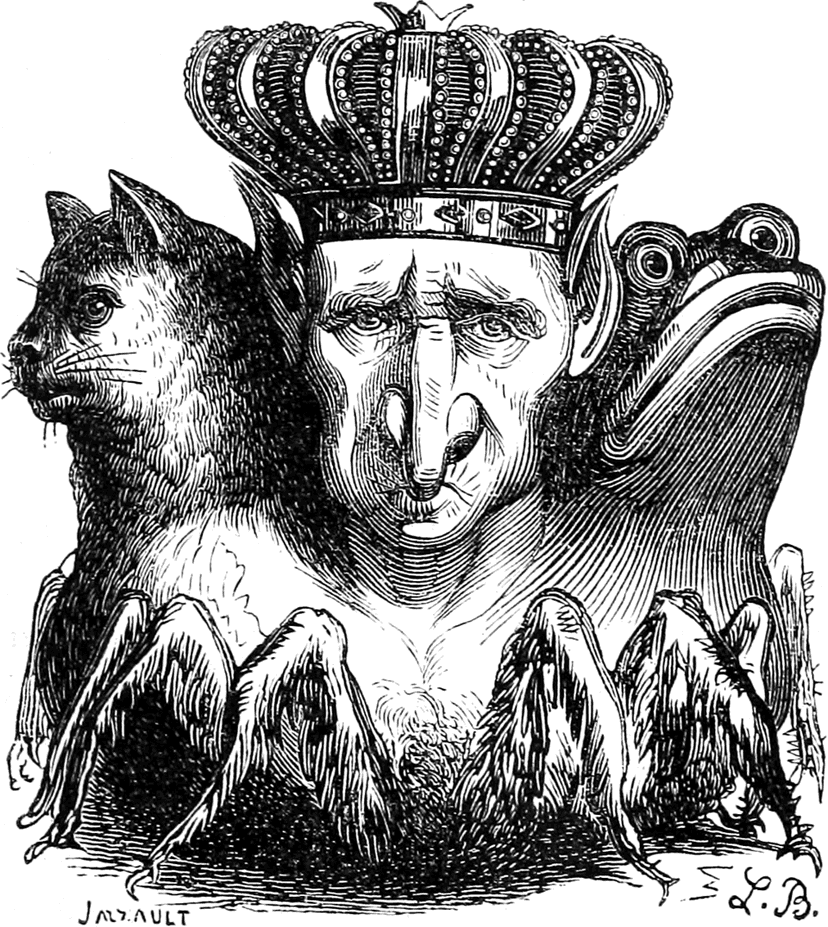
Baal/Bael
Bael is a demon prominently featured in demonological grimoires such as The Lesser Key of Solomon and the Pseudomonarchia Daemonum. He is depicted as a king who can grant invisibility and influence others, often described with a hoarse voice and a composite appearance. Bael is notable for his appearance in various occult texts and his recurring presence in modern popular culture.