
Kukudh
Albanian mythology·Mythology·Albanian·Undead creature
The Kukudh is an undead creature prominent in Albanian mythology, often associated with the souls of misers or unburned corpses. It is linked to nightmares, death, and sickness, with some traditions describing it as a blind female demon carrying plague. Its legend highlights fears of death, the afterlife, and the consequences of greed.
Key Facts
- ›The Kukudh is an undead creature in Albanian mythology.
- ›It is often depicted as the revenant soul of a miser or a corpse not properly burned.
- ›The Kukudh is associated with nightmares, death, and is sometimes described as a demon of sickness carrying plague.
- ›In some traditions, it appears as a short-legged man with a goat's tail and is invulnerable except to strangulation with a vine noose.
- ›The term 'Kukudh' can also refer to a sickness akin to cholera, said to have been brought by Alexander the Great.
- ›An evil man might be referred to as a Kukudh.
Kukudhi
Nightmares, Death, Sickness, Plague
Effuses A Deadly Breath, Causes Sickness, Invulnerability
Alexander the Great
Greed, Evil
A Brave Boy
Karkanxholl, Kallikantzaros
About Kukudh
What is the Kukudh?
The Kukudh is a significant figure in Albanian mythology, broadly classified as an undead creature. Its presence is tied to themes of death, misfortune, and the lingering consequences of earthly life.
Lore and Associations
Several distinct traditions surround the Kukudh. One prominent belief identifies it as the revenant soul of a miser, bound to haunt their former home after death. This fear of the miser's house led people to avoid staying overnight, lest they be killed by its spectral inhabitant. Another legend suggests that a corpse, specifically a "lugat" (a type of corpse), that is not properly burned in a timely manner will transform into a Kukudh.
Variations in its appearance and nature exist across different regions. In some areas, the Kukudh is described as a short-legged, stocky man with a goat's tail, possessing invulnerability but susceptible to strangulation with a vine noose. The term "Kukudh" itself has also become synonymous with an evil person. Furthermore, in Southern Albania, the Kukudh is depicted as a blind female demon responsible for spreading sickness, carrying the plague. This association is so strong that "Kukudh" can also refer to a sickness akin to cholera, but more severe. A folk saying, "As të ha kukudhi!" (Not even the plague will devour you!), illustrates this connection.
Etymology and Significance
The etymology of the name "Kukudh" is uncertain but is thought to derive from the Albanian word "kuku," meaning "mourn" or "lament," a connection supported by its synonym "kukuvriq." This links it to the nocturnal owl and the cuckoo, both considered bad omens and messengers of ill tidings in Tosk and Gheg folklore. The Kukudh, therefore, embodies deep-seated fears related to the afterlife, the punishment of greed, and the pervasive threat of disease and death.
Source: Wikipedia ↗
Frequently Asked Questions
What is the Kukudh in Albanian mythology?
The Kukudh is an undead creature found in Albanian mythology. It is often depicted as the restless soul of a miser or a corpse that was not properly burned after death.
What does the Kukudh look like?
Descriptions vary. Some traditions portray the Kukudh as a stocky, short-legged man with a goat's tail. In Southern Albania, it appears as a blind female demon associated with sickness.
What is the Kukudh associated with?
The Kukudh is linked to nightmares, death, and bad omens, similar to the owl or cuckoo. It is also associated with the concept of plague and is sometimes used to describe a severe illness.
How can a Kukudh be defeated?
According to legend, a Kukudh, particularly the miser's soul, can only be defeated by a brave boy who may then be appointed heir. If it appears as the short-legged man, it can only be strangled with a noose made of vine.
Is the Kukudh related to other mythological figures?
The Kukudh shares some characteristics with the Karkanxholl (or Karkançoli), which is etymologically related to the Greek Kallikantzaros. Both are described as undead corpses that bring misfortune.
Related Demons
Nalai
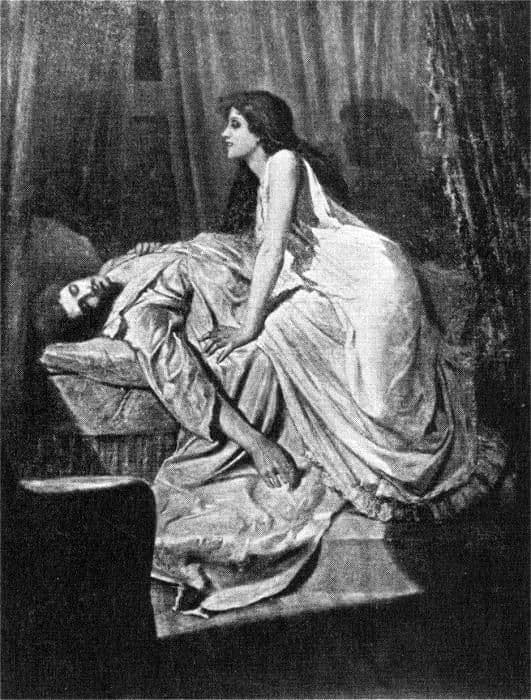
The vampire is a mythical creature, often depicted as an undead humanoid that feeds on the vital essence, typically blood, of humans. Originating in European folklore, particularly Southeastern and Eastern Europe, these beings were believed to be revenants of deceased individuals who caused harm in their former neighborhoods. Early descriptions differ significantly from modern portrayals, with folkloric vampires often appearing bloated and ruddy rather than gaunt and pale.
Kulshedra
The Kulshedra is a prominent demon in Albanian mythology and folklore, typically depicted as a massive, multi-headed, female serpentine dragon. She embodies darkness and evil, acting as the antithesis to the drangue, the archetype of light and good. Kulshedra is notorious for causing natural disasters such as fires, droughts, storms, floods, and earthquakes, and is often appeased with human sacrifices.
Ljubi
Ljubi, also known as lubia, is a water and storm demon in Albanian mythology and folklore. Often depicted as a multi-headed female serpentine dragon, she is associated with the fierce and unpredictable nature of the sea during storms and is known for her immense appetite. Her most notable characteristic is the need for virgin sacrifices to appease her and prevent water sources from drying up.