
Ljubi
Ljubi, also known as lubia, is a water and storm demon in Albanian mythology and folklore. Often depicted as a multi-headed female serpentine dragon, she is associated with the fierce and unpredictable nature of the sea during storms and is known for her immense appetite. Her most notable characteristic is the need for virgin sacrifices to appease her and prevent water sources from drying up.
Key Facts
- ›Ljubi is a water and storm demon from Albanian mythology and folklore.
- ›She is typically depicted as a large, multi-headed female serpentine dragon, similar to the Kulshedra.
- ›Ljubi is known for her enormous appetite and eerie personality, reflecting the ferocity of stormy seas.
- ›She demands the sacrifice of virgins to prevent water sources from drying up.
- ›Her appearance is characterized by multiple heads, with a new one growing if one is severed, like the Lernaean Hydra.
- ›She is sometimes referred to as 'mother lubia' and is considered a storm deity in Southern Albanian beliefs.
Lubia, Mother Lubia
Water, Storms, Drought, Flesh
Causing Waters To Dry Up, Regeneration of Severed Heads
Albanian Folklore, Albanian Epic Songs of the Frontier Warriors, Ovid's Epics
Kulshedra, Lernaean Hydra
- Fierce Impression of the Sea On Stormy Weather
- Vile Creature Born From Bad Weather Conditions
- Requires the Sacrifice of Virgins To Prevent Water Sources From Drying Up.
- Similarities To Greek and Illyrian Dragon and Serpent-Like Beings.
- Comparison To the Lernaean Hydra From Greek Mythology Due To Polycephaly.
About Ljubi
Ljubi, also known by the variant name lubia, is a significant figure in Albanian mythology and folklore, primarily recognized as a powerful water and storm demon. Often described as 'mother lubia' in Southern Albanian beliefs, she is venerated as a storm deity. Her essence is deeply tied to the formidable and unpredictable nature of the sea during inclement weather, with her fearsome characteristics being a hyperbolic representation of these natural forces.
Appearance and Manifestations
Ljubi is consistently depicted as a female demon, taking the form of a colossal, multi-headed serpentine dragon. Her heads are said to range from seven to a hundred, and she possesses a regenerative ability akin to the Lernaean Hydra: if one head is severed, another grows in its place. This formidable appearance is complemented by an insatiable appetite, particularly for human flesh, with a noted predilection for that of young girls. She is believed to reside in a beautiful, albeit eerie, vegetable garden.
Role and Significance
As a demon associated with water, Ljubi holds the power to cause water sources to dry up. To avert this catastrophic consequence, the tradition dictates that virgins must be sacrificed to her. This practice underscores her role as a terrifying entity demanding appeasement. Her similarities to other dragon-like beings in ancient cultures, such as the Lernaean Hydra in Greek mythology, highlight potential cross-cultural influences and the enduring archetype of the multi-headed serpent in mythologies across the Mediterranean and beyond.
Similarities with Kulshedra
Ljubi shares many characteristics with another prominent figure in Albanian mythology, the Kulshedra. Both are described as large, multi-headed female serpentine dragons associated with water, storms, and fire. The Kulshedra, like Ljubi, is placated through human sacrifice. This strong resemblance has led to speculation that Ljubi and Kulshedra might be different names or aspects of the same powerful demonic entity within Albanian folklore, with Kulshedra perhaps representing a more widely recognized or potent version.
Source: Wikipedia ↗
Frequently Asked Questions
What is Ljubi?
Ljubi, also called lubia, is a water and storm demon originating from Albanian mythology and folklore. She is often described as a large, multi-headed female serpentine dragon.
What are Ljubi's main characteristics?
Ljubi is known for her extraordinarily large appetite and an eerie personality, which are said to embody the fierce impression the sea makes during stormy weather. She is also characterized by her multiple heads.
How does Ljubi relate to storms and water?
As a water and storm demon, Ljubi can cause waters to dry up unless appeased. In Southern Albanian beliefs, she is specifically venerated as a storm deity.
What is required to appease Ljubi?
Ljubi requires the sacrifice of virgins to prevent her from causing water sources to dry up. This need for sacrifice is a significant aspect of her depiction.
What is Ljubi's appearance?
Ljubi is depicted as a female demon with a serpentine dragon-like form and multiple heads, ranging from seven to one hundred. Similar to the Lernaean Hydra, if one head is removed, another grows in its place.
Related Demons
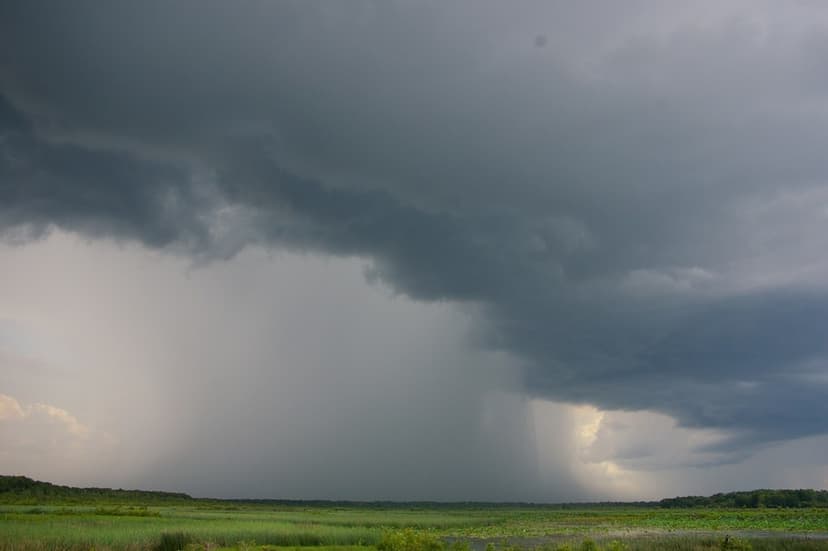
Kulshedra
The Kulshedra is a prominent demon in Albanian mythology and folklore, typically depicted as a massive, multi-headed, female serpentine dragon. She embodies darkness and evil, acting as the antithesis to the drangue, the archetype of light and good. Kulshedra is notorious for causing natural disasters such as fires, droughts, storms, floods, and earthquakes, and is often appeased with human sacrifices.
Djall
Djall, also known as Dreq, is the personification of evil in Albanian mythology and folklore. It is also described as a demon of fire, representing a terrifying manifestation that embodies moral and mortal danger. Djall serves as a symbolic antagonist, highlighting the virtues of those who oppose it.
Stihi
Stihi is a female demon prominent in Albanian mythology and folklore, often depicted as a fire-breathing dragon guarding treasure. She is associated with storms and is conceptually similar to the kulshedra, another formidable being in Albanian tradition. Her name is etymologically linked to the Greek word for 'element' or 'spirit'.