
Dev
Persian mythology and demonology·Mythology, Demonology, Folklore·Middle Eastern, Persian, Islamic, Turkic, Armenian·Demon, Fiend, Monster
Divs, also known as dēw or dīv, are monstrous beings originating from ancient Persian lore and likely representing a demonized reinterpretation of Vedic deities. They are prominent antagonists in epic tales like the Shahnameh, often depicted as powerful, cruel, and physically imposing creatures with supernatural abilities. In Islamic traditions, they were assimilated with other demonic entities and are sometimes seen as symbols of human vices.
Key Facts
- ›Divs originate from Indo-Persian lore, possibly as a demonized reinterpretation of Vedic devas.
- ›In the Shahnameh, they are primary antagonists of the hero Rustam, often depicted as supernatural sorcerers or demonized humans.
- ›Islamic authors frequently equated divs with 'ifrīt and shayāṭīn, seeing them as subject to God's rule.
- ›Folklore describes them as gigantic humanoids with horns and boar-like teeth, possessing great physical strength and mastery of sorcery.
- ›In Sufism, divs symbolize human vices and evil urges.
- ›Some Turkic folklore portrays them as benign creatures and guardians of natural assets.
DēW, DīV, Daeva
Chaos, Evil Urges, Temptation, Nightmares, Human Vices
Sorcery, Magic, Transformation, Causing Nightmares, Great Physical Strength, Enchantment
Shahnameh, Avesta, Tarikh Al-Tabari, SüLeymanname, Haft Peykar, Kulliyati Chahar Kitab, Armenian Folk Tales, Kisekbasch Destani, Kazakh Fairy-Tales, Tatar Folklore
Rustam, Satan, Indra, Ahura Mazda, Zahhak, Kay KāVus, Solomon, Muhammad, Ali, Erlik Khan
Envy, Greed, Malice, Carnal Desires, Evil Urges, Passion, Instinct, Temptation
- In Folklore, Attaching A Horseshoe, Needle, Or Iron Ring Is Necessary To Enslave A Div After Defeating Them.
- In Some Turkic Traditions, Speaking 'Bismillah' Causes Offered Dishes To Turn Into Horse Droppings and the Demon To Disappear.
Ahura Mazda, Rustam, Solomon, Ali, Muhammad, Angels
- In Armenian Mythology, 'Dev' Can Be Kind Or Malicious and Are Sometimes Described As Rebellious Angels.
- Turkic Folklore Sometimes Depicts Divs As Benign Creatures and Guardians.
- In Some Persian Contexts, Divs Are In Constant Battle With Benevolent Peris .
Horns, Boar Tusks, Armour, Metal Weapons, Stones, Horseshoe, Needle, Iron Ring
About Dev
The Div: Monstrous Beings of Persian Lore
Divs, also known by variations like dēw or dīv, are monstrous creatures deeply embedded in Middle Eastern lore, with origins likely rooted in ancient Persia. They represent a significant element in demonology and mythology, often understood as the demonized reinterpretation of the Vedic deities known as devas. These powerful beings are frequently depicted as antagonists in epic narratives, most notably in the Persian epic poem, the Shahnameh.
Origins and Transformations
The concept of the div has evolved over centuries. Initially, they may have been derived from Indo-Persian celestial spirits. Pre-Zoroastrian Persians are believed to have considered these divine or semi-divine beings as demonic, while later Zoroastrian texts, such as the Avesta, describe devas as evil feminine spirits called parī. By the time of the Islamic conquest, divs were firmly established as fully demonic entities. Their imagery and characteristics were assimilated into the folklore of various cultures, including Armenia, Turkic regions, and Albania, often merging with ancestral beliefs about demons and ogres.
Characteristics and Abilities
Folklore commonly portrays divs as having a human-like form but of gigantic proportions, typically adorned with two horns and possessing teeth resembling those of a boar. They are characterized as powerful, cruel, and cold-hearted, with a particular taste for human flesh. While some are depicted using primitive weapons like stones, others are more sophisticated, equipped with armor and metal weaponry. Beyond their formidable physical strength, many divs are also skilled in sorcery, capable of defeating their adversaries through magic and inflicting nightmares.
Cultural Significance and Symbolism
In Islamic traditions, divs are often identified with other demonic entities like 'ifrīt and shayāṭīn, and are considered subject to God's rule. In Sufism, they serve as potent symbols for human vices and evil urges, representing the struggle against carnal desires. Persian literature frequently uses divs as personifications of vices such as envy, greed, and malice. The narrative of Prophet Solomon enslaving demons is often interpreted as a metaphor for the spiritual self's internal struggle against these lower desires. In some Turkic folklore, however, divs can appear as benign creatures and guardians of natural assets, demonstrating a divergence in their portrayal.
Role in Epic and Folklore
The Shahnameh prominently features divs as the primary adversaries of the hero Rustam. These battles often carry symbolic weight, with Rustam representing wisdom and rationality battling the divs as embodiments of passion and instinct. The victory over the White Div, for instance, signifies a triumph over base drives and a purging of evil inclinations from the human soul. In broader folklore, divs are often encountered as villains, sorcerers, or monsters, and overcoming them is frequently a prerequisite for obtaining their aid. Legends also describe methods for enslaving or defeating them, such as the necessity of destroying an object that holds their soul, a concept that may have later inspired the European notion of the genie.
Source: Wikipedia ↗
Frequently Asked Questions
What are divs?
Divs are monstrous creatures originating from Middle Eastern lore, particularly of Persian origin. They are often described as demons or fiends with immense physical strength and supernatural abilities.
Where do divs come from?
The concept of divs likely stems from a monotheistic reinterpretation of Vedic deities (devas) who were later demonized in Persian religion. They are also associated with ancient Indian celestial spirits.
How are divs depicted in the Shahnameh?
In the Shahnameh, divs are the main antagonists, particularly for the hero Rustam. They are depicted as powerful beings, some appearing as supernatural sorcerers, while others are portrayed as demonized humans or enormous, supernatural entities like the White Div.
What is the role of divs in Islamic traditions?
In the Islamic world, divs were assimilated with existing concepts of demons and evil spirits like 'ifrīt and shayāṭīn. Muslim authors often viewed them as subject to God's ultimate judgment, and in Sufism, they symbolize human vices.
What are the physical characteristics of divs?
Folklore often describes divs as having a human-like body but of gigantic size, with two horns on their heads and teeth like a boar's tusks. They are characterized as powerful, cruel, and cold-hearted.
Do divs have any supernatural abilities?
Yes, many divs are described as masters of sorcery, capable of overcoming enemies with magic and afflicting them with nightmares. Some are also said to be capable of transformation.
Related Demons
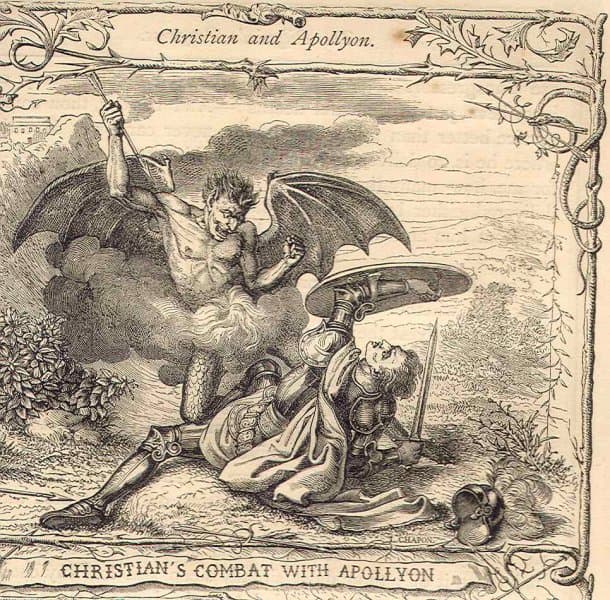
Abaddon/Apollyon
Abaddon, also known as Apollyon in Greek, is a figure appearing in biblical texts as both a place of destruction and a powerful angel associated with the abyss. Primarily recognized from the Hebrew Bible and the New Testament's Book of Revelation, Abaddon is often depicted as a destroyer or the king of a demonic army. Its significance lies in its multifaceted interpretations across various religious and literary traditions, evolving from a concept of ruin to a specific angelic or demonic entity.

Abyzou
Abyzou is a female demon prominently featured in the folklore and demonological texts of the Near East and Europe, especially known for causing miscarriages and infant mortality. Driven by envy due to her own infertility, she is depicted as a malevolent entity with numerous names and forms. Her fullest depiction is in the Testament of Solomon, and she is also associated with figures like Gylou and Alabasandria, appearing on ancient magical amulets.
Achlys
Achlys is a figure from ancient Greek literature, primarily known as the personification of sorrow or a deathly mist. While first appearing in Homer as a mist that clouds the eyes of the dying, she is later depicted in Hesiod's "Shield of Heracles" as a fearsome, gaunt entity. Her Roman equivalent, Caligo, is associated with the primordial origins of the cosmos.