
Bhūta
Indian subcontinent folklore and Hinduism·Folklore and Mythology·Indian subcontinent (particularly Bengal, Pakistan)·Ghost, Supernatural Creature
A bhūta is a supernatural entity, commonly understood as the ghost of a deceased person, originating from the Indian subcontinent. These beings are typically depicted as restless and unable to move on due to unresolved issues in life, violent deaths, or improper funeral rites. Bhūtas are a significant element in the folklore and popular culture of regions like Bengal, with their presence deeply ingrained in local beliefs and narratives.
Key Facts
- ›Bhūtas are supernatural creatures, often the ghosts of deceased individuals, from the Indian subcontinent.
- ›They are believed to be restless due to unresolved issues, violent deaths, or lack of proper funeral ceremonies.
- ›Bhūtas are known to possess distinct characteristics such as backward-facing feet, a nasal voice, and an aversion to touching the earth.
- ›They are often associated with haunted locations like cremation grounds and dilapidated buildings.
- ›Belief in bhūtas is prevalent in Bengali culture and integrated into the socio-cultural beliefs of both Hindu and Muslim communities in Bangladesh and West Bengal.
- ›The term 'bhūta' also has a philosophical meaning in Hinduism, referring to the five basic elements of cosmic creation.
Bhoota, Buta
Haunting, Possession, Fear, Unresolved Matters
Shape-Shifting Into Animal Forms, Appearing In Human Shape, Floating Above the Ground, Causing Possession Through Contaminated Milk, Luring Individuals
Rudrayamala Tantra, Kaulajnananirnaya, Garuda Purana, Bhootatantra, Karna Pishachini Tantra, Vetala Panchavimshati, Pretasiddhanta, Vetala Tantra, Thakurmar Jhuli
Preta, PiśāCha, Vetala, Churel
Unresolved Issues, Violent Death, Improper Funeral Rites, Restlessness, Obsession
- Atma-Shanti
- Bhuta Aradhana
- Rituals For Invoking, Controlling, Or Exorcising Spirits Are Described In Texts Like Bhootatantra.
Water, Iron Objects, Scent of Burnt Turmeric, Fibres of Apiaceous Herb Bhutkeshi, Invocation of Holy Figures and Deities, Sprinkling Earth
- In Javanese, 'Buta' Refers To A Malevolent Spirit/Demonic Giant.
- In the Malay World, 'BhūTa' Evolved To Mean A Jinn-Like Creature, With Legends of Gigantic Beings.
- In Pakistan, the Term 'Jinn' Is Used For Both Arabic Jinns and BhūTas, With Fluid Identities Influenced By Persian and Arabic Mythology.
Backward-Facing Feet, White Clothing, Nasal Voice, Floating, Absence of Shadows
About Bhūta
A bhūta is a supernatural entity, most commonly understood as the ghost of a deceased person, originating from the Indian subcontinent. These spirits are typically depicted as restless and unable to move on to the afterlife due to unresolved issues in their lives, such as a violent death, unfinished business, or the failure of their survivors to perform proper funeral rites. The belief in bhūtas is deeply ingrained in the cultural fabric of regions like Bengal, where they form an integral part of socio-cultural beliefs for both Hindu and Muslim communities.
Characteristics and Manifestations
Bhūtas are often described with distinctive features that reveal their spectral nature. They are said to possess backward-facing feet, speak with a nasal twang, and avoid direct contact with the earth, often floating a short distance above the ground. They also cast no shadows and are sometimes seen wearing white clothing. While they can shape-shift into various animal forms, they are most frequently encountered in human guise. Certain locations are believed to be haunted by bhūtas, including cremation grounds, dilapidated buildings, forts, and specific houses known as 'bhoot banglas,' which are often sites of their demise or hold other significant connections to their past lives.
Cultural Significance and Variations
Bhūtas are a prominent element in folklore, literature, and popular culture across the Indian subcontinent. Their presence is widely acknowledged in Bengali culture, appearing in fairy tales, modern literature, cinema, and television programs. The term 'bhūta' itself has roots in Sanskrit, carrying connotations of 'past' and 'being,' and is related to the concept of the five basic elements (Pancha Bhuta) in Hinduism. In idiomatic expressions in languages like Hindustani and Punjabi, 'bhoot' can signify an obsession or a disheveled appearance. Variations exist in other regions, such as Javanese 'buta' referring to malevolent giants, and in the Malay world, where they are considered jinn-like creatures. A specific type of bhūta is the churel, often the spirit of a woman who died during childbirth, known for her shapeshifting abilities and allure.
Thwarting and Appeasement
Practices to ward off or appease bhūtas vary across traditions. They are said to fear water and iron objects, making these items a form of protection. The scent of burnt turmeric and certain herbs like bhutkeshi are also believed to repel them. Invoking the names of holy figures and deities is another common method. In Hindu traditions, bhūtas are not destroyed but are instead appeased through rituals such as atma-shanti, a modified death anniversary ceremony that promises the spirit either rebirth or the completion of its unfinished earthly tasks. These actions are intended to bring peace to the restless spirit, causing it to cease its haunting.
Source: Wikipedia ↗
Frequently Asked Questions
What is a bhūta?
A bhūta is a supernatural creature, most commonly interpreted as the ghost of a deceased person, originating from the Indian subcontinent. They are typically depicted as restless spirits unable to move on due to unresolved earthly matters or improper funeral rites.
What are the common characteristics of bhūtas?
Bhūtas are often described as having backward-facing feet, speaking with a nasal twang, and avoiding direct contact with the earth, often floating slightly above it. They are also noted to cast no shadows and are sometimes seen in white clothing.
Where are bhūtas commonly found?
Bhūtas are associated with various locations considered haunted, such as cremation grounds, dilapidated buildings, ancient forts, and forest bungalows. Specific houses, known as 'bhoot banglas,' are often haunted by bhūtas tied to those places.
How can bhūtas be thwarted or appeased?
Bhūtas are said to fear water and iron objects. The scent of burnt turmeric and the herb bhutkeshi are also believed to ward them off. In Hinduism, appeasing a bhūta often involves rituals to ensure its rebirth or the completion of its unfinished tasks.
What is the significance of bhūtas in Bengali culture?
Bhūtas hold a significant place in Bengali culture, forming an integral part of socio-cultural beliefs. Stories about ghosts and paranormal activities are common in Bengali literature, cinema, and television programs.
What is a churel?
A churel is a specific type of bhūta, often the spirit of a woman who died during pregnancy or childbirth. They are depicted with backward or inverted feet and can shapeshift, sometimes luring young men.
Related Demons

Abyzou
Abyzou is a female demon prominently featured in the folklore and demonological texts of the Near East and Europe, especially known for causing miscarriages and infant mortality. Driven by envy due to her own infertility, she is depicted as a malevolent entity with numerous names and forms. Her fullest depiction is in the Testament of Solomon, and she is also associated with figures like Gylou and Alabasandria, appearing on ancient magical amulets.
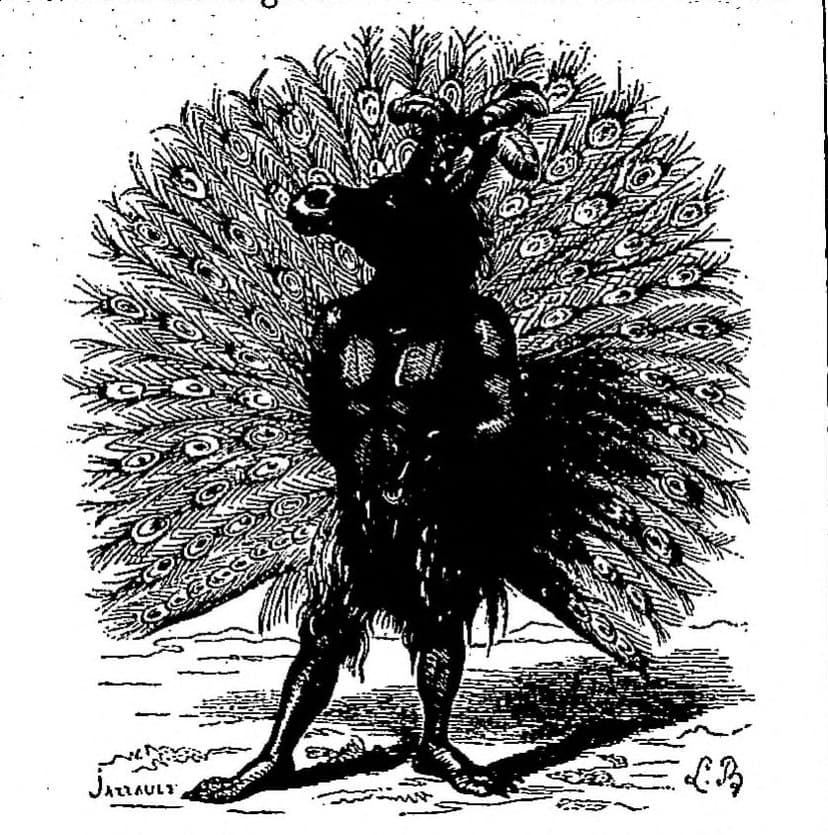
Adrammelech
Adrammelech is an ancient Semitic deity associated with the people of Sepharvaim, who, according to biblical accounts, practiced child sacrifice to him and his consort Anammelech. In later Judeo-Christian demonology, Adrammelech is reinterpreted as a fallen angel and a high-ranking demon, often depicted with a hybrid appearance and holding significant positions in Hell.
Arioch
Arioch is a figure appearing in the Book of Genesis as the King of Ellasar, who participated in the Battle of Siddim alongside other Mesopotamian kings. While traditionally understood as a historical figure, modern scholarship often views him as a literary creation, with Ellasar potentially linked to regions like Anatolia, Cyprus, or even a name found in Babylonian records. Arioch has also been adopted in later literature and demonology as a demonic entity and a lord of Chaos.