
Pistoia Cathedral
Pistoia Cathedral, officially the Cathedral of Saint Zeno, is the principal religious edifice in Pistoia, Tuscany, central Italy. Located in the Piazza del Duomo, it serves as the seat of the Bishop of Pistoia and is dedicated to Saint Zeno of Verona. Its history spans from likely origins in the 10th century, with significant architectural modifications over subsequent centuries, including Romanesque, Gothic, and Baroque influences, culminating in a major restoration in the late 20th century.
Key Facts
- ›The cathedral is dedicated to Saint Zeno of Verona and is the seat of the Bishop of Pistoia.
- ›Likely construction began in the 10th century, with notable fires in 1108 and 1202 necessitating rebuilding.
- ›The facade features Romanesque elements inspired by other Pistoian churches, with later additions of loggias and a portico.
- ›The interior houses significant artworks, including the silver altar of Saint James, and tombs of notable figures.
- ›A major restoration between 1952 and 1999 aimed to return the church to its original lines.
- ›The crypt dates back to the Romanesque building and was partially buried during later Baroque modifications.

- Silver Altar of Saint James
- Chapel of the Blessed Sacrament With Works By Verrocchio and Lorenzo Di Credi
- Tomb of Bishop Donato De' Medici
- Romanesque Facade
- Crypt of the Romanesque Building
- Baptismal Font By Benedetto Da Maiano
Jacopo Di Mazzeo, Andrea Della Robbia, Jacopo Lafri, Andrea Vaccà, Andrea Di Jacopo D'Ognabene, Pace Di Valentino, Giglio Pisano, Leonardo Di Ser Giovanni, Francesco Niccolai, Piero D'Arrigo Tedesco, Nofri Di Buto, Atto Di Piero Braccini, Filippo Brunelleschi, Piero D'Antonio Da Pisa, Domenico Da Imola, Coppo Di Marcovaldo, Salerno, Agostino Di Giovanni, Lorenzo Lotti, Domenico Cresti, Cristofano Allori, Gregorio Pagani, Benedetto Veli, Maso Di Bartolomeo, Giovanni Da Ponte, Benedetto Da Maiano, Bonaccorso Di Cino, Nicola Pisano, Giorgio Vasari
About Pistoia Cathedral
Pistoia Cathedral: Cathedral of Saint Zeno
Pistoia Cathedral, formally known as the Cathedral of Saint Zeno (Duomo di Pistoia or Cattedrale di San Zeno), stands as the principal religious building in Pistoia, Tuscany, central Italy. Situated prominently in the Piazza del Duomo at the heart of the city, it functions as the seat of the Bishop of Pistoia and is consecrated to Saint Zeno of Verona.
History and Construction
While speculation suggests a possible earlier cathedral from the 5th century, the first documented mention of a cathedral in Pistoia dates to 923. Emperor Otto III's diploma in 998 refers to a Palaeo-Christian structure. The current building likely originated in the 10th century. Its history is marked by significant events, including destructive fires in 1108 and 1202, and damage from an earthquake in 1298, each necessitating substantial rebuilding and renovation. The cathedral showcases a facade in the Romanesque style, drawing inspiration from other churches in Pistoia such as San Bartolomeo and San Jacopo. Over centuries, it underwent numerous transformations. Between 1379 and 1440, the facade was significantly altered with the addition of three tiers of loggias and a portico. Andrea della Robbia was commissioned in 1504 to decorate the archivolt and portico, completing his work by 1505. A Baroque reconstruction occurred between 1598 and 1614, which involved demolishing the medieval choir, modifying side chapels, and replacing the original apse with a Baroque tribune surmounted by a dome. Later renovations, particularly between 1952 and 1966, restored original features like the medieval mullioned windows and removed some later vaults.
Architectural Features and Interior
The cathedral's interior comprises a nave and two side-aisles, with a raised presbytery housing a crypt beneath. The nave and aisles are separated by columns. The right aisle historically contained the Chapel of St. James (San Jacopo), established in the mid-12th century to house relics of Saint James. Today, the precious silver altar of Saint James is displayed in the Crucifix Chapel.
Within the interior, notable artistic treasures are found. The Chapel of the Blessed Sacrament features a painting of the Madonna Enthroned between St. John the Baptist and St. Donatus, begun by Andrea del Verrocchio and completed by Lorenzo di Credi. The tomb of Bishop Donato de' Medici, attributed to Antonio Rossellino, is also located here.
The Crucifix Chapel is home to the aforementioned silver altar of Saint James, a monumental work begun in 1287 and featuring extensive embossed silver detailing by various artists including Andrea di Jacopo d'Ognabene, Pace di Valentino, and Giglio Pisano. Other significant artworks in the aisles include the Triptych of Crucifixion, the precious Crucifixion by Coppo di Marcovaldo and his son Salerno, and the tomb of Cino Sinibuldi da Pistoia. The north aisle contains the Monument of Cardinal Forteguerri, a work initiated by Andrea del Verrocchio and finished by Lorenzo Lotti.
The presbytery is adorned with frescoes by Domenico Cresti, and the apse features a painting of the Resurrection by Cristofano Allori, flanked by statues of Saint Zeno and Saint James. The pulpit was designed by Giorgio Vasari. The crypt, belonging to the original Romanesque structure, was partially buried during the Baroque modifications but was later excavated and restored, revealing fragments of early frescoes and capitals.
Significance
Pistoia Cathedral is a significant example of religious architecture that has evolved over more than a millennium. Its layers of construction and decoration reflect the changing artistic and architectural styles of Tuscany. The cathedral's dedication to Saint Zeno and its historical association with the relics of Saint James highlight its importance within medieval and Renaissance religious life. The extensive collection of artworks and historical artifacts within its walls make it a vital cultural and historical site in Pistoia.
Source: Wikipedia ↗
Frequently Asked Questions
When was Pistoia Cathedral likely built?
Pistoia Cathedral was most probably built starting in the 10th century. There is speculation that a smaller cathedral might have existed as early as the 5th century, though its exact location is unknown.
What major events have impacted Pistoia Cathedral's history?
The cathedral has been damaged by significant fires in 1108 and 1202, and also by an earthquake in 1298. These events led to periods of rebuilding and modification.
What are some notable artistic features inside Pistoia Cathedral?
Key interior artworks include the silver altar of Saint James, which contains intricate embossed silver sheets depicting various biblical stories. The Chapel of the Blessed Sacrament houses a significant painting by Andrea del Verrocchio and Lorenzo di Credi, and the tomb of Bishop Donato de' Medici.
What architectural styles can be seen at Pistoia Cathedral?
The cathedral exhibits a primary Romanesque facade. Over time, Gothic elements were introduced, and later Baroque modifications were made, particularly to the choir and apse. A restoration in the late 20th century sought to re-emphasize its original lines.
Where is Pistoia Cathedral located?
Pistoia Cathedral is situated in the Piazza del Duomo, in the very center of the city of Pistoia, Tuscany, central Italy.
Is Pistoia Cathedral still an active place of worship?
Yes, Pistoia Cathedral is the main religious building of Pistoia and serves as the seat of the Bishop of Pistoia, indicating it remains an active place of worship.
Related Cathedrals

Ariano Irpino Cathedral
Ariano Irpino Cathedral, originally known as Ariano Cathedral, is a Roman Catholic cathedral dedicated to the Assumption of the Virgin Mary. Located in Ariano Irpino, Italy, it has a history marked by destruction and rebuilding, evolving from its 10th-century Romanesque origins to its current Baroque-influenced form. The cathedral serves as the seat for the Diocese of Ariano Irpino-Lacedonia and is noted for housing a relic believed to be a thorn from Christ's crown.
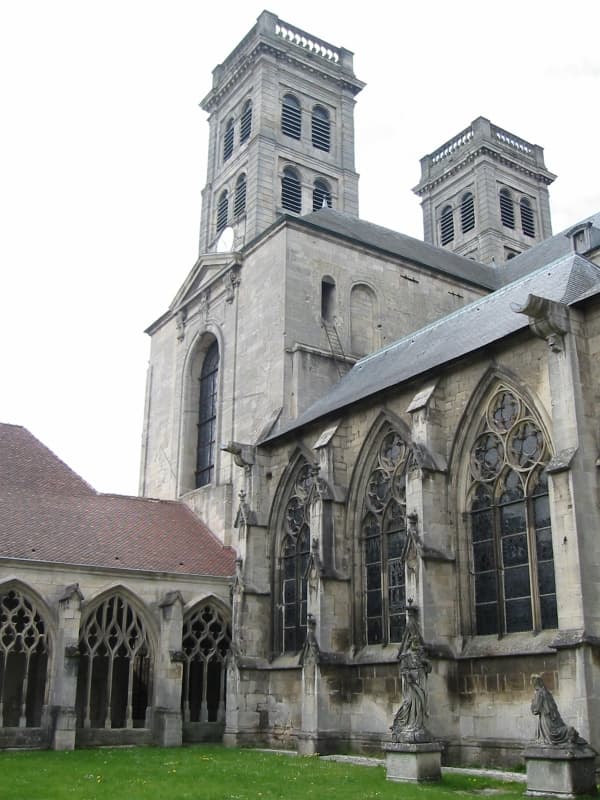
Verdun Cathedral
Verdun Cathedral, officially Cathédrale Notre-Dame de Verdun, is a Roman Catholic cathedral in Verdun, France. It is notable for its historical depth, tracing its origins to the 3rd century, and for its architectural blend of Romanesque, Gothic, and Neo-Classical styles. The cathedral holds significant historical importance, having been a focal point during World War I.

Ivrea Cathedral
Ivrea Cathedral is a Roman Catholic church in Ivrea, Italy, with a history stretching back to the late 4th century. Originally built on the site of a Roman temple, it underwent significant rebuilding in the Romanesque style under Bishop Warmund in the 10th century and has seen further architectural modifications throughout its existence. It is a significant example of Romanesque architecture in the Canavese region.