
Bradwell-on-Sea
Bradwell-on-Sea is a village in Essex, England, historically significant as a Roman fort known as Othona and later as Ithancester by the Anglo-Saxons. It is particularly noted for being the site where Saint Cedd founded a monastery in 653, which survives today as the Chapel of St Peter-on-the-Wall, one of Britain's oldest churches. The village has also been a site for a nuclear power station and a World War II airfield, RAF Bradwell Bay.
Key Facts
- ›Originally a Roman fort named Othona, it was later called Ithancester by the Anglo-Saxons.
- ›Saint Cedd founded a monastery here in 653, leading to the establishment of St Peter-on-the-Wall.
- ›St Peter-on-the-Wall is recognized as one of the oldest churches in Britain.
- ›The village has been known by various names including Bradwell juxta Mare, Bradwell-next-the-Sea, and Bradwell near the Sea.
- ›During World War II, it hosted RAF Bradwell Bay, a front-line airfield for night fighters and bomber escorts.
- ›The village is located on the Dengie peninsula in Essex, England.
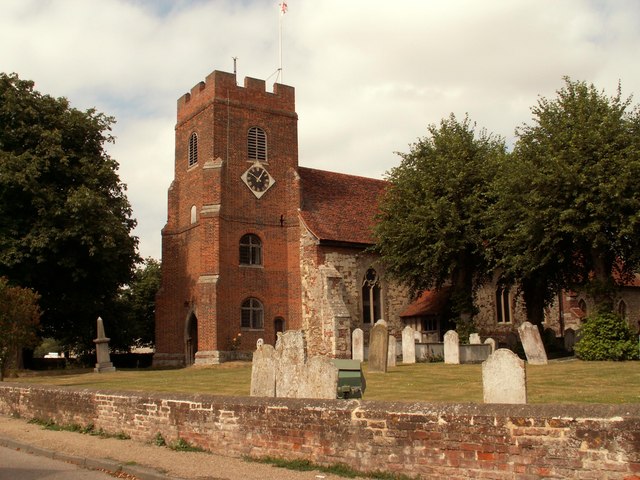
Chapel of St Peter-On-the-Wall, Site of Othona, Site of Raf Bradwell Bay
About Bradwell-on-Sea
Bradwell-on-Sea is a village and civil parish located on the Dengie peninsula in Essex, England. Its historical roots trace back to Roman times when it served as a fort known as Othona. This ancient site later became significant in the Anglo-Saxon period, known as Ithancester.
Founding of a Monastery
The most enduring historical legacy of Bradwell-on-Sea is its connection to Saint Cedd. In 653, Saint Cedd established a monastery within the protective walls of the old Roman fort. This foundation led to the creation of the Chapel of St Peter-on-the-Wall, which stands today as a restored structure and is recognized as one of the oldest churches in Britain. From this monastic center, Saint Cedd played a crucial role in the evangelization of the region of Essex.
Historical Names and Modern Context
Over centuries, the village has been referred to by various names, including Bradwell juxta Mare, Bradwell-next-the-Sea, and Bradwell near the Sea, reflecting its coastal proximity. In the 20th century, Bradwell-on-Sea also became known for its nuclear power station, which ceased operations in 2002 and has since been decommissioned. The village continues to function as a community with a primary school, St Cedd’s Church of England primary school, and a sailing club.
World War II Airfield
During the Second World War, the area north-east of Bradwell Waterside was developed into RAF Bradwell Bay. This airfield was a front-line station that housed squadrons of night-fighters and was utilized for escorting long-distance bombing raids on Germany. The airfield was equipped with a Fog Investigation and Dispersal Operation (FIDO) system to aid landings in adverse weather. A memorial in the shape of a crashed de Havilland Mosquito now commemorates those who lost their lives defending Britain from this base.
Source: Wikipedia ↗
Frequently Asked Questions
What is the historical significance of Bradwell-on-Sea?
Bradwell-on-Sea was a Roman fort called Othona and later an Anglo-Saxon settlement known as Ithancester. Its most significant historical event is the founding of a monastery by Saint Cedd in 653, from which he evangelized Essex.
What is the Chapel of St Peter-on-the-Wall?
The Chapel of St Peter-on-the-Wall is a restored monastery founded by Saint Cedd in 653 within the old Roman fort walls. It is considered one of the oldest churches in Britain and stands as a testament to early Christian evangelization in England.
What was Bradwell-on-Sea's role in World War II?
During World War II, the area hosted RAF Bradwell Bay, a vital front-line airfield. It served as a base for night-fighter squadrons and as a departure point for aircraft escorting bombing raids over Germany.
What other notable features does Bradwell-on-Sea have?
Besides its historical religious and military significance, Bradwell-on-Sea was also the site of a nuclear power station that closed in 2002. It also has a primary school and a sailing club.
What are some of the different names Bradwell-on-Sea has been known by?
The village has been referred to by several names throughout history, including Bradwell juxta Mare, Bradwell-next-the-Sea, and Bradwell near the Sea. Its Roman name was Othona, and the Anglo-Saxons called it Ithancester.
Related Cathedrals

Abercorn
Abercorn is a village and civil parish in West Lothian, Scotland, historically significant for its 7th-century monastery which served as the seat of Bishop Trumwine, the sole bishop of the Northumbrian see of the Picts. While the monastery is long gone, the parish church partially dates from the 12th century and contains notable private aisles and mausoleums. Abercorn also held a short-lived bishopric in the 7th century and was the site of a castle from the 12th century.
Aquileia Cathedral
The Basilica di Santa Maria Assunta in Aquileia is the principal church of the town, with its origins dating back to the fourth century. The current basilica was constructed in the eleventh century and subsequently rebuilt in the thirteenth century, showcasing a Romanesque-Gothic architectural style. It is renowned for its significant 4th-century mosaic pavement and early Christian frescoes.

Bath Abbey
Bath Abbey, officially the Abbey Church of Saint Peter and Saint Paul, is a significant parish church and former Benedictine monastery in Bath, Somerset, England. Originally founded in the 7th century, it has undergone numerous rebuildings and restorations, most notably in the 12th and 16th centuries, with major renovations by Sir George Gilbert Scott in the 1860s. It stands as a prime example of Perpendicular Gothic architecture and once served as a cathedral for the Diocese of Bath and Wells before its consolidation at Wells.