
Avellino Cathedral
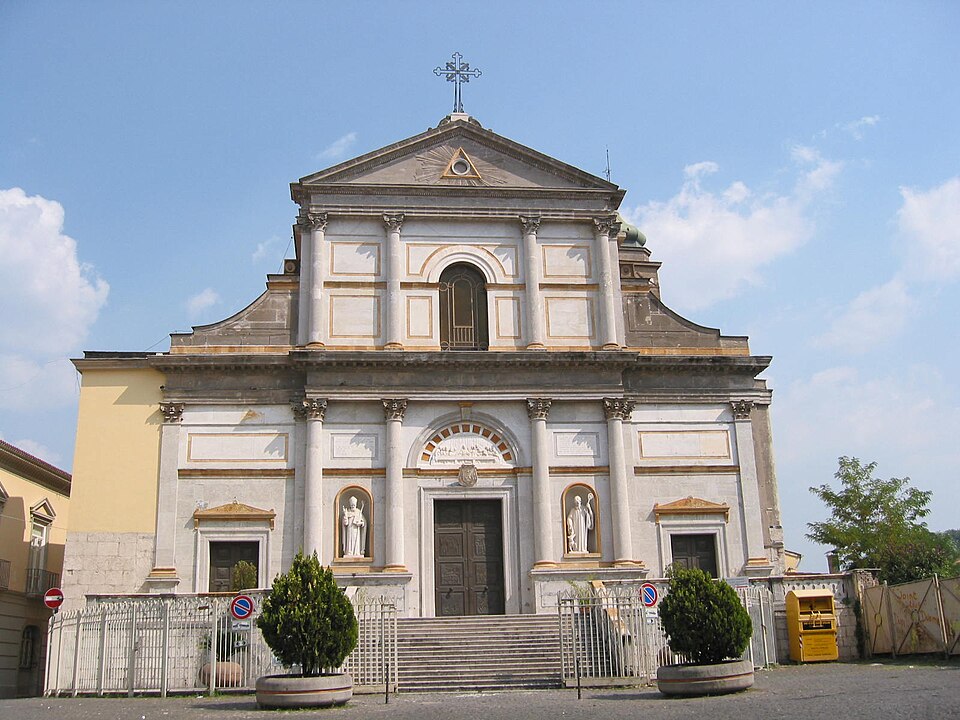
Avellino Cathedral, officially the Duomo di Santa Maria Assunta e di San Modestino, is the Roman Catholic cathedral of Avellino, Italy, serving as the seat of the bishops of Avellino. Originally a Romanesque structure built in the 12th century, it has undergone significant transformations over the centuries, evolving into its current Neoclassical appearance after extensive Baroque renovations and later modifications.
Key Facts
- ›The original Romanesque cathedral was constructed between 1132 and 1166.
- ›It was significantly renovated into a Baroque style in the late 17th and 18th centuries.
- ›The cathedral was given a Neoclassical appearance in the latter half of the 19th century.
- ›The building has sustained damage from World War II bombing and the 1980 Irpinia earthquake, requiring structural reinforcement.
- ›The interior features a Latin cross floorplan with three aisles divided by pilasters.
- ›The Chapel of Saint Modestinus is considered the most important chapel, housing the relics of the city's patron saint.
- Bronze Doors With Reliefs of Religious and Civil History
- Statues of Saint Modestinus and Saint William of Vercelli
- Chapel of Saint Modestinus
- 16th-Century Choir Stalls
- Crypt With Romanesque Appearance
Pasquale Cardola, Vincenzo Varriale
About Avellino Cathedral
Avellino Cathedral, officially the Duomo di Santa Maria Assunta e di San Modestino, is the principal church and seat of the Roman Catholic Diocese of Avellino, located in the city of Avellino, Campania, Italy. It stands as a significant religious and historical landmark, tracing its origins back to the 12th century and reflecting centuries of architectural evolution and spiritual devotion.
History and Architectural Evolution
The cathedral's foundation dates to the Romanesque period, with its initial construction occurring between 1132 and 1166 under Bishop Roberto of Avellino, who dedicated it to Saint Modestinus. For centuries, it retained its original Romanesque appearance. However, a comprehensive series of refurbishments and renovations began in the late 17th century and continued through the 18th century, transforming the structure into a Baroque masterpiece. Further significant alterations were undertaken by Bishop Francesco Gallo in the latter half of the 19th century, which ultimately shaped the cathedral into its present Neoclassical form. The west front's refacing, completed between 1857 and 1868, was designed by architect Pasquale Cardola, while the interior conversion was the work of Vincenzo Varriale between 1880 and 1889. The cathedral's resilience is further marked by its survival and subsequent necessary structural reinforcements following the bombing of World War II and the devastating 1980 Irpinia earthquake.
Description and Notable Features
The exterior of Avellino Cathedral is characterized by its classical façade, crafted from white and grey marble and adhering to 16th-century conventions. This façade is divided into two levels by a cornice, with the lower level featuring three entrance portals. The central doorway, originally built by Bishop Roberto in 1133 and enlarged in 1167, is adorned with bronze doors cast in relief with scenes from the religious and civil history of Avellino. Above the central doorway, a bas-relief depicts the Last Supper, while niches on either side contain statues of Saint Modestinus, the patron saint of Avellino, and Saint William of Vercelli. The Baroque access stairway and the arrangement of the piazza in front of the cathedral were added by Bishop Martinez in the late 17th century.
The interior follows a Latin cross floorplan, with the nave divided into three aisles by pilasters. The transept leads to a large presbytery. The side chapels and altars are varied, dedicated to saints such as Gerardo Maiella, Anthony of Padua, and featuring an ancient canvas of the Annunciation. The central nave's coffered ceiling, installed in the 17th century, displays a large canvas by Michele Ricciardi depicting the Assumption of the Virgin. The ten small cupolas illuminating the side aisles are painted with gospel episodes from the life of the Virgin, by Achille Iovine and Ovidio De Martino.
Among the most significant interior features is the Chapel of Saint Modestinus, also known as the Chapel of the Treasure of Saint Modestinus. This chapel is of paramount importance as it houses the precious relics of the diocese's patron saint and a silver bust of him. The transept also leads to the choir and apse, which contain 16th-century choir stalls and a sumptuous high altar from the first half of the 16th century. The apse displays medallions depicting early bishops of Avellino and figures of Christ and the Beatitudes, alongside frescoes by Achille Iovine illustrating episodes from the life of Saint Modestinus. The crypt, accessible from the transept, has preserved its Romanesque appearance, divided into three aisles by stone columns and featuring 17th-century frescoes by Angelo Michele Ricciardi.
Source: Wikipedia ↗
Frequently Asked Questions
What is the official name of Avellino Cathedral?
Avellino Cathedral is officially known as the Duomo di Santa Maria Assunta e di San Modestino, Cattedrale di Avellino. It is dedicated to the Assumption of the Virgin Mary and Saint Modestinus.
When was Avellino Cathedral originally built?
The original Romanesque cathedral was constructed between 1132 and 1166 by Bishop Roberto of Avellino. It was dedicated to Saint Modestinus.
What are the main architectural styles present in Avellino Cathedral?
While originally Romanesque, Avellino Cathedral was transformed into a Baroque style through renovations in the late 17th and 18th centuries. Its present appearance is Neoclassical, largely due to a significant overhaul in the 19th century.
What notable events have affected Avellino Cathedral?
The cathedral has been subjected to bombing during World War II and damage from the 1980 Irpinia earthquake. Both events necessitated substantial stabilization and reinforcement work on the structure.
What is housed in the Chapel of Saint Modestinus?
The Chapel of Saint Modestinus, also known as the Chapel of the Treasure of Saint Modestinus, is the most important chapel in the cathedral. It preserves the relics of the patron saint of the diocese in precious caskets, along with a silver bust of him.
Related Cathedrals

Alatri Cathedral
Alatri Cathedral, officially the Basilica of Saint Paul, is a Roman Catholic cathedral in Alatri, Lazio, Italy. Originally the cathedral of the Diocese of Alatri, it is now a co-cathedral of the Diocese of Anagni-Alatri. It holds significant relics, including those of Saint Sixtus I and the Ostia incarnata from the Eucharistic miracle of Alatri, making it a site of considerable religious importance.
Bosa Cathedral
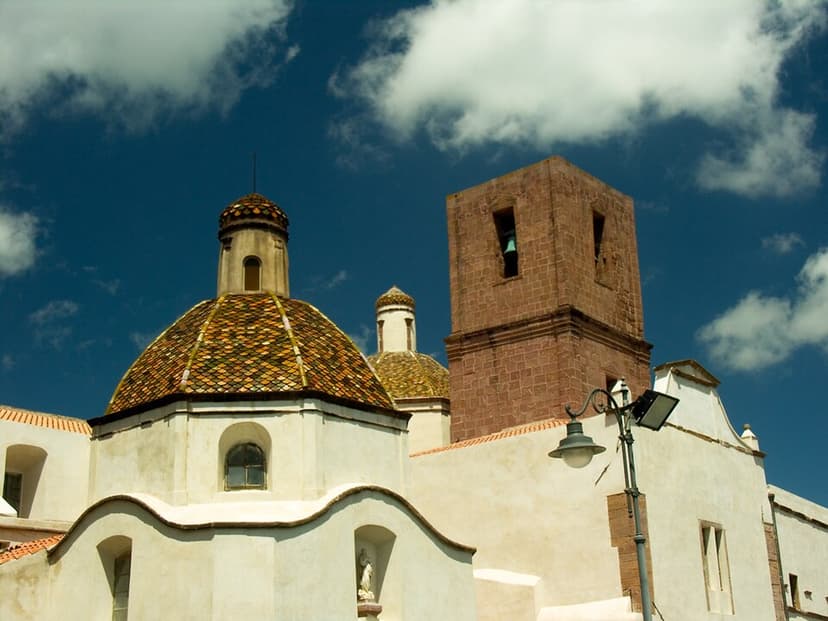
Bosa Cathedral, officially the Concattedrale dell'Immacolata Concezione, is a Roman Catholic cathedral located in the historic center of Bosa, Sardinia, Italy. It currently serves as a co-cathedral for the Diocese of Alghero-Bosa and was formerly the seat of the Bishop of Bosa. The building showcases significant alterations from its 12th-century origins, with major renovations occurring in the 15th and early 19th centuries.

Ariano Irpino Cathedral
Ariano Irpino Cathedral, originally known as Ariano Cathedral, is a Roman Catholic cathedral dedicated to the Assumption of the Virgin Mary. Located in Ariano Irpino, Italy, it has a history marked by destruction and rebuilding, evolving from its 10th-century Romanesque origins to its current Baroque-influenced form. The cathedral serves as the seat for the Diocese of Ariano Irpino-Lacedonia and is noted for housing a relic believed to be a thorn from Christ's crown.