
Apt Cathedral
Apt Cathedral, officially Cathédrale Sainte-Anne d'Apt, is a Roman Catholic church and a former cathedral in Apt, Provence, France, now recognized as a national monument. It serves as the relic church for Saint Anne and was the episcopal seat of the Bishop of Apt until its dissolution after the French Revolution.
Key Facts
- ›The cathedral is believed to be built on the burial site of Saint Auspice, who tradition says protected relics of Saint Anne.
- ›It was the ecclesiastical seat of the Diocese of Apt until the diocese was dissolved in 1801.
- ›Architectural styles range from Romanesque to Baroque, incorporating elements from earlier Roman structures.
- ›The lower crypt is thought to be part of an original 1st-century Roman building.
- ›The upper crypt, dating to around 1056, features a small nave and an apse.
- ›A venerated Marian image, a late work by Giovanni Maria Benzoni, was granted a Pontifical decree of coronation in 1877.
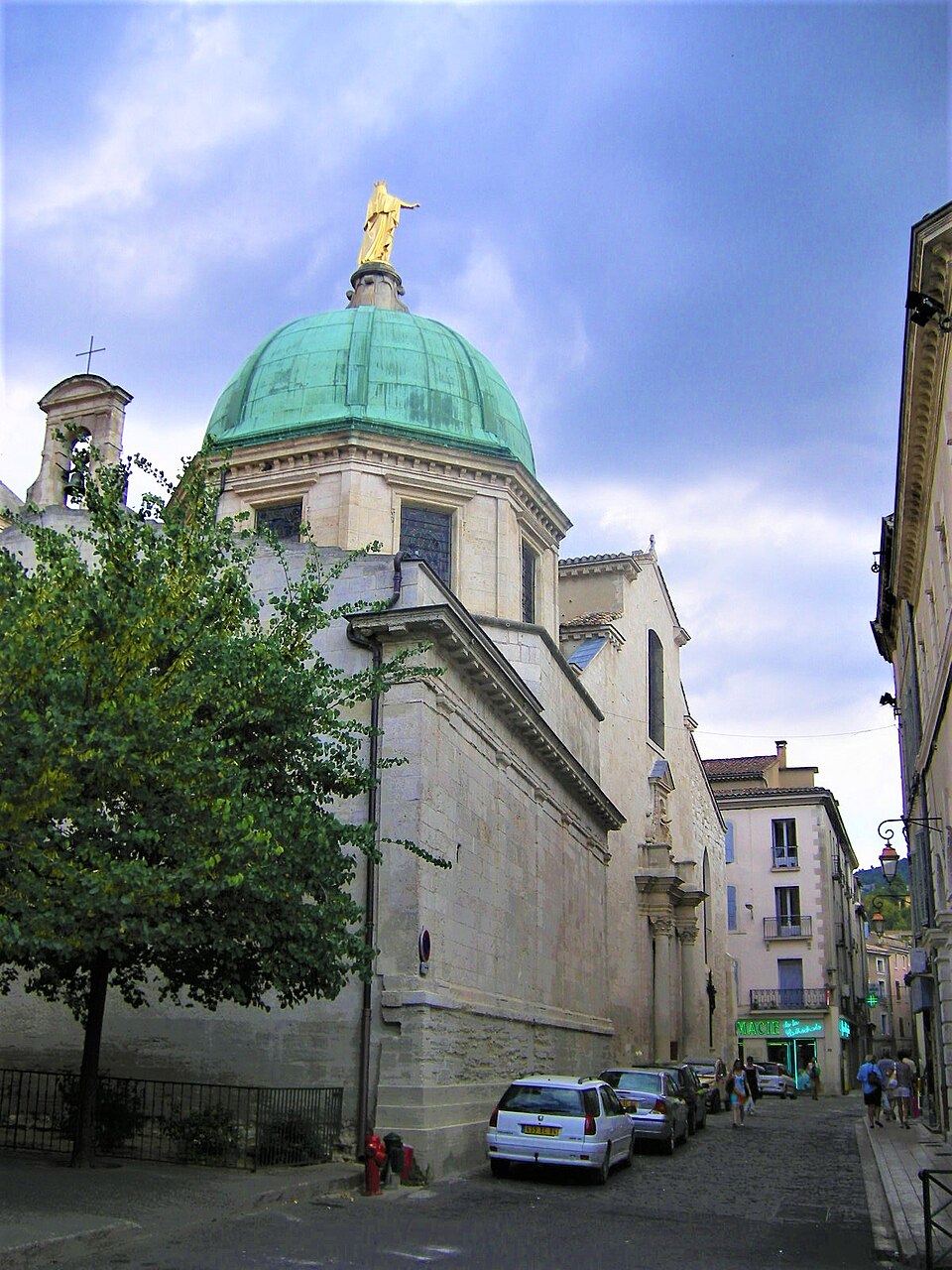
Romanesque, Baroque, Roman
Relics of Saint Anne, Lower Crypt, Upper Crypt, Marian Image By Giovanni Maria Benzoni
1st Century, 11th Century
About Apt Cathedral
Apt Cathedral, officially known as Cathédrale Sainte-Anne d'Apt, is a significant Roman Catholic church and a former cathedral located in the town of Apt in Provence, France. It holds national monument status and is recognized as a relic church dedicated to Saint Anne. The cathedral was the ecclesiastical seat of the Bishop of Apt until the diocese was dissolved following the French Revolution in 1801, with its territory subsequently divided between the Dioceses of Avignon and Digne.
History and Significance
Tradition holds that Apt Cathedral was constructed on the site where Saint Auspice was buried. Auspice is credited with safeguarding the relics of Saint Anne, which he reportedly placed in a subterranean grotto to protect them from barbarian invasions. This association has made the church a pilgrimage destination. Notably, the former Queen of France, Anne of Austria, visited the shrine in 1623. In recognition of its spiritual importance, Pope Pius IX granted a Pontifical decree of coronation for its venerated Marian image in 1877, an artwork by the renowned sculptor Giovanni Maria Benzoni.
Architectural Heritage
The architectural makeup of Apt Cathedral is a synthesis of various styles, ranging from Romanesque to Baroque, with foundations rooted in earlier Roman construction. The lower crypt is believed to be part of an original 1st-century Roman building that was used as a place of worship as early as the Carolingian era. This crypt features a corridor leading to a vault where, according to local legend, Saint Anne's veil was discovered. Above this, the upper crypt dates to approximately 1056 and comprises a modest nave and an apse.
Source: Wikipedia ↗
Frequently Asked Questions
What is Apt Cathedral known for?
Apt Cathedral is primarily known as the relic church of Saint Anne, housing relics that tradition states were protected in a subterranean grotto. It also features a notable Marian image, sculpted by Giovanni Maria Benzoni, which received a papal coronation decree.
What is the history of Apt Cathedral?
The cathedral is believed to have been constructed on the burial site of Saint Auspice. It served as the episcopal seat for the Bishop of Apt until the diocese was dissolved following the French Revolution in 1801. The church has been a pilgrimage site, attracting visitors like Queen Anne of Austria in 1623.
What are the architectural features of Apt Cathedral?
Apt Cathedral exhibits a blend of architectural styles, including Romanesque and Baroque, with origins tracing back to Roman times. It contains a lower crypt from a 1st-century Roman building and an upper crypt from around 1056, which includes a small nave and apse.
When was the Diocese of Apt dissolved?
The Diocese of Apt was dissolved under the Concordat of 1801. Following this, its territory was divided between the Dioceses of Avignon and Digne.
Related Cathedrals
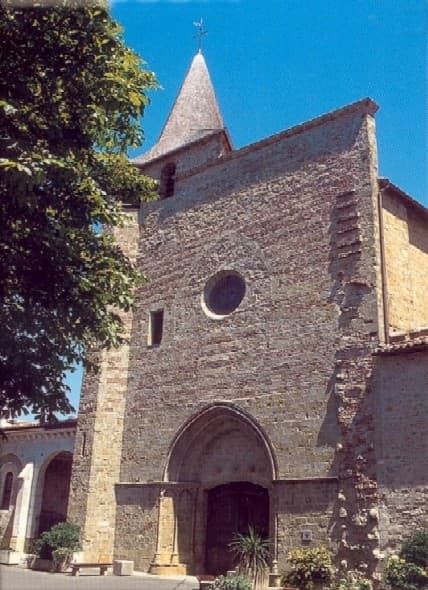
Aire Cathedral
Aire Cathedral, officially known as the Cathédrale Saint-Jean-Baptiste d'Aire, is a Roman Catholic church located in Aire-sur-l'Adour, France. It served as the episcopal seat for the Bishops of Aire for centuries, and although its status has shifted, it remains a significant historical and religious site on a major pilgrimage route.

Angers Cathedral
Angers Cathedral, officially Cathédrale Saint-Maurice d'Angers, is a Catholic cathedral in Angers, France, serving as the seat of the Bishops of Angers. Renowned for its blend of Romanesque and Gothic architectural styles, it also features significant Baroque elements and an exceptional collection of stained-glass windows, some dating back to the late 12th century.

Bordeaux Cathedral
Bordeaux Cathedral, officially the Primatial Cathedral of St Andrew of Bordeaux, is a Roman Catholic cathedral in Bordeaux, France, serving as the seat of the Archbishop of Bordeaux. It is a significant landmark included in the UNESCO World Heritage Site of the Routes of Santiago de Compostela in France. The cathedral showcases a rich architectural history, evolving from Romanesque to Gothic styles and incorporating Renaissance elements, making it a vital historical and religious site.