
Alife Cathedral
Alife Cathedral, dedicated to the Assumption of the Virgin Mary, serves as the episcopal seat for the Diocese of Alife-Caiazzo. Originally constructed in 1132 and dedicated to Saint Sixtus, the cathedral was significantly rebuilt in the Baroque style following major earthquakes in the 15th and 17th centuries.
Key Facts
- ›First built in 1132, with a later dedication to Saint Sixtus.
- ›Largely rebuilt in Baroque style after earthquakes in 1456 and 1688, reopening in 1692.
- ›Interior retains Lombard-Norman elements, including arcades with animal and saint sculptures.
- ›Features a Romanesque crypt containing relics of Saint Sixtus, supported by columns from the ancient Roman theatre.
- ›The elephant, a heraldic symbol of Alife, is depicted in sculptures, representing the D'Aquino family's rule.
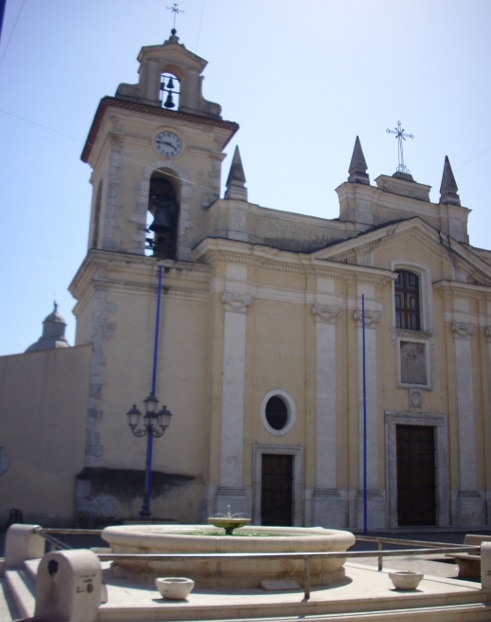
Baroque, Lombard-Norman, Romanesque
- Two Arcades With Sculptures of Animals and Saints
- Romanesque Crypt With Relics of Saint Sixtus
- Columns From the Ancient Roman Theatre In the Crypt
- Capitals From the Roman Theatre
About Alife Cathedral
Alife Cathedral, officially known as the Cattedrale di Santa Maria Assunta, is a significant Roman Catholic cathedral located in the city of Alife, within the province of Caserta in the Campania region of Italy. It holds the distinction of being the episcopal seat for the Diocese of Alife-Caiazzo and is dedicated to the Assumption of the Virgin Mary.
History and Architecture
The initial construction of Alife Cathedral dates back to 1132. Originally, it was consecrated to Pope Sixtus I, who later became Saint Sixtus and is recognized as the patron saint of Alife. The cathedral's history is marked by significant events, including severe earthquakes in 1456 and 1688. These natural disasters necessitated extensive rebuilding, resulting in the cathedral being largely reconstructed in the Baroque style. It was subsequently reopened in 1692.
Despite the Baroque renovations, the interior of Alife Cathedral has managed to preserve notable elements from its earlier Lombard-Norman construction. These include two arcades adorned with intricate sculptures depicting animals, such as the elephant which serves as the heraldic symbol of Alife and was established by the d'Aquino family who governed the city from 1121 to 1269, as well as sculptures of saints.
Romanesque Crypt
An especially interesting feature is the cathedral's Romanesque crypt. This subterranean chamber houses the relics of Saint Sixtus, which were brought to Alife by Ranulf, Count of Alife. The crypt is characterized by a rectangular plan and is supported by columns sourced from the ancient Roman theatre of Alife. While some of the capitals are original Roman pieces, others are medieval replicas of these ancient Roman originals, offering a fascinating glimpse into the site's layered history.
Source: Wikipedia ↗
Frequently Asked Questions
When was Alife Cathedral originally built?
Alife Cathedral was first constructed in the year 1132. It was originally dedicated to Pope Sixtus I, who was later venerated as Saint Sixtus.
What architectural styles are present in Alife Cathedral?
While largely rebuilt in the Baroque style, the cathedral's interior still showcases noteworthy elements of the Lombard-Norman building. The Romanesque crypt also contributes to its architectural heritage.
What is significant about the crypt of Alife Cathedral?
The Romanesque crypt is of interest as it houses the relics of Saint Sixtus. It is supported by columns taken from the ancient Roman theatre and features both original and medieval copied capitals.
What was Alife Cathedral's original dedication?
Alife Cathedral was initially dedicated to Pope Sixtus I. He is also known as Saint Sixtus and is the patron saint of the city of Alife.
What caused the significant rebuilding of Alife Cathedral?
The cathedral underwent major rebuilding due to severe earthquakes. Significant damage occurred from earthquakes in 1456 and 1688, leading to its reconstruction in the Baroque style.
Related Cathedrals
Caiazzo Cathedral
Caiazzo Cathedral, also known as the Basilica concattedrale di Maria Santissima Assunta e Santo Stefano Vescovo, is a Roman Catholic church in Caiazzo, Italy. It formerly served as the cathedral for the Diocese of Caiazzo and is now a co-cathedral within the Diocese of Alife-Caiazzo. The church is recognized for its historical significance, believed to be built on the site of a pagan Roman temple.

Alatri Cathedral
Alatri Cathedral, officially the Basilica of Saint Paul, is a Roman Catholic cathedral in Alatri, Lazio, Italy. Originally the cathedral of the Diocese of Alatri, it is now a co-cathedral of the Diocese of Anagni-Alatri. It holds significant relics, including those of Saint Sixtus I and the Ostia incarnata from the Eucharistic miracle of Alatri, making it a site of considerable religious importance.

Ariano Irpino Cathedral
Ariano Irpino Cathedral, originally known as Ariano Cathedral, is a Roman Catholic cathedral dedicated to the Assumption of the Virgin Mary. Located in Ariano Irpino, Italy, it has a history marked by destruction and rebuilding, evolving from its 10th-century Romanesque origins to its current Baroque-influenced form. The cathedral serves as the seat for the Diocese of Ariano Irpino-Lacedonia and is noted for housing a relic believed to be a thorn from Christ's crown.