
Alet Cathedral
Alet·Roman Catholic·France
Alet Cathedral, officially Cathédrale Notre-Dame d'Alet, was a Roman Catholic church in Alet-les-Bains, France, built in the Gothic architectural tradition. Established as the cathedral for the newly created Diocese of Alet in 1317, it suffered significant destruction during the Wars of Religion and was largely demolished by the late 18th century, with its ruins now standing as a historic monument.
Key Facts
- ›Established as the cathedral for the Diocese of Alet in 1317.
- ›Built in the Gothic architectural tradition.
- ›Largely destroyed by Huguenots in 1577 during the Wars of Religion.
- ›The Gothic quire was demolished in 1776 by order of the last bishop.
- ›The diocese was not restored after the French Revolution, with its parishes absorbed into the Diocese of Carcassonne.
- ›The stone ruins were listed as a monument historique in 1862.
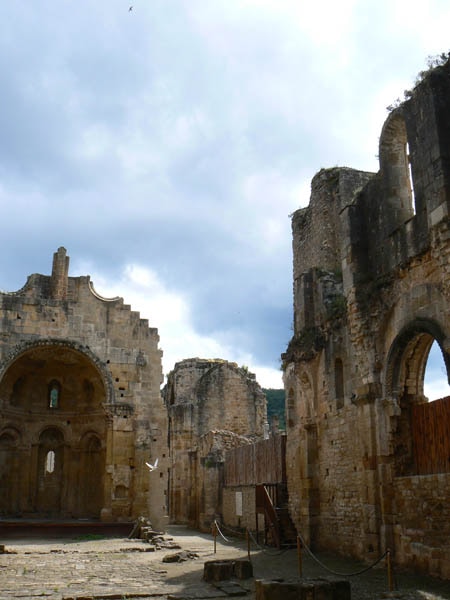
Gothic Quire, Stone Ruins
About Alet Cathedral
Alet Cathedral, officially known as Cathédrale Notre-Dame d'Alet, was a significant Roman Catholic church located in the town of Alet-les-Bains in the Languedoc region of France. The cathedral was constructed in the Gothic architectural tradition.
Historical Context and Construction
The Diocese of Alet was one of several bishoprics established in 1317 in the aftermath of the suppression of the Cathars. In Alet, the bishops also held the position of abbots of the pre-existing monastery, and the cathedral of Our Lady (Notre-Dame) was built adjacent to the abbey.
Destruction and Legacy
The history of Alet Cathedral is marked by significant destruction. In 1577, during the tumultuous Wars of Religion, the cathedral was largely ruined by Huguenot forces and was never fully rebuilt. Further demolition occurred in 1776 when the immense Gothic quire was torn down by order of the last bishop, Charles de la Cropte de Chancerac. Following the French Revolution, the Diocese of Alet was not re-established, and its former parishes were incorporated into the Diocese of Carcassonne by the Concordat of 1801.
Despite its ruinous state, the stone remnants of Alet Cathedral continue to be a striking sight. These ruins were officially recognized for their historical importance when they were listed as a monument historique in 1862. For a period, when the main cathedral was in disrepair, parts of the monastic buildings served as an emergency substitute place of worship, known as St. Benedict's Cathedral (Cathédrale Saint-Benoît d'Alet).
Source: Wikipedia ↗
Frequently Asked Questions
When was Alet Cathedral established?
Alet Cathedral was established in 1317. This was part of the creation of several bishoprics following the suppression of the Cathars.
What happened to Alet Cathedral during the Wars of Religion?
In 1577, Alet Cathedral was largely destroyed by the Huguenots during the Wars of Religion. It was not subsequently rebuilt to its former grandeur.
What is the current state of Alet Cathedral?
The cathedral's stone ruins remain a spectacular sight. They were listed as a monument historique in 1862.
What architectural style is Alet Cathedral?
Alet Cathedral was built in the Gothic architectural tradition. Its immense Gothic quire was demolished in the late 18th century.
What was the Diocese of Alet?
The Diocese of Alet was one of several bishoprics established in 1317. The bishops of Alet also served as abbots of the existing monastery.
Related Cathedrals
Aire Cathedral
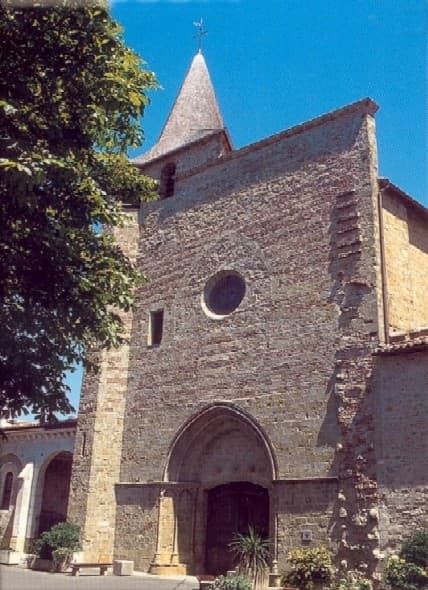
Aire Cathedral, officially known as the Cathédrale Saint-Jean-Baptiste d'Aire, is a Roman Catholic church located in Aire-sur-l'Adour, France. It served as the episcopal seat for the Bishops of Aire for centuries, and although its status has shifted, it remains a significant historical and religious site on a major pilgrimage route.

Aix Cathedral
Aix Cathedral, officially Cathédrale Saint-Sauveur d'Aix-en-Provence, is a Roman Catholic cathedral in Aix-en-Provence, France. Situated on the site of the ancient Roman forum and a 6th-century Christian church, it showcases a remarkable blend of Romanesque, Gothic, and Neo-Gothic architectural styles, with elements dating back to its earliest Christian foundations. The cathedral serves as the seat of the Archbishop of Aix-en-Provence and Arles and is recognized as a national monument of France.

Auxerre Cathedral
Auxerre Cathedral, officially Cathédrale Saint-Étienne d'Auxerre, is a Roman Catholic cathedral located in Auxerre, Burgundy, France. Constructed primarily between the 13th and 16th centuries on the site of an 11th-century Romanesque cathedral, it is renowned for its extensive 13th-century stained glass windows and the 11th-century Carolingian frescoes preserved in its crypt. Since 1823, it has served as the seat of a diocese united with that of Sens Cathedral.