
Albi Cathedral
The Cathedral of Saint Cecilia of Albi, also known as Albi Cathedral, is the seat of the Catholic Archbishop of Albi. It is a remarkable example of Southern French Gothic architecture, renowned for its imposing brick exterior resembling a fortress and its lavishly decorated interior. Designated a UNESCO World Heritage Site, it stands as a testament to the historical and artistic achievements of the region.
Key Facts
- ›Construction began in 1282 and continued for 200 years, resulting in a unique blend of fortress-like exterior and ornate interior.
- ›It is claimed to be the largest brick building in the world.
- ›The interior features extensive polychrome geometric wall paintings, a highly decorated rood screen, and a monumental mural of the Last Judgement.
- ›It was designated a UNESCO World Heritage Site in 2010 for its unique architecture and design consistency.
- ›The cathedral's construction was significantly influenced by Bishop Bernard de Castanet, who played a key role in its financing and design.
- ›It serves as the seat of the Catholic Archbishop of Albi.

Southern French Gothic, Toulouse Style
Massive Brick Construction, Fortress-Like Exterior, Lavishly Decorated Interior, Polychrome Geometric Wall Paintings, Monumental Mural of the Last Judgement, Ornate Rood Screen, Tall Bell Tower
13th Century, 14th Century, 15th Century
Bernard De Castanet, Dominique De Florence, Louis D'Amboise
About Albi Cathedral
The Cathedral of Saint Cecilia of Albi, commonly known as Albi Cathedral, stands as a monumental edifice in the city of Albi, France. It is the principal church of the Catholic Archdiocese of Albi and is celebrated for its distinctive Southern French Gothic architectural style, often referred to as the Toulouse style.
History and Construction
The origins of Albi Cathedral trace back to earlier churches, with the first recorded bishop's residence and church built at the end of the 4th century. The current cathedral's construction was initiated in 1282, driven by Bishop Bernard de Castanet. His vision was to create a structure that not only served as a place of worship but also as a powerful symbol of the church's authority and its resistance to heresy, particularly in the wake of the Albigensian Crusade. The construction process was extensive, spanning approximately two centuries, and was finally consecrated on April 23, 1480.
Architecture and Design
Albi Cathedral is notable for its imposing exterior, primarily constructed of brick due to the local scarcity of stone. This material choice, combined with its design, gives the cathedral a formidable, fortress-like appearance, a stark contrast to the opulent interior. The interior is renowned for its vibrant polychrome geometric wall paintings that cover the vaults, tribunes, and chapel walls. These paintings, largely executed during the Renaissance, feature diverse motifs, including marble imitations, medallions, cubes, and coats of arms.
A significant feature is the monumental mural of the Last Judgement on the interior of the west facade, dating from the late 15th century. This extensive artwork, measuring 15 by 18 meters, depicts the divine judgment with various ranks of angels, apostles, saints, and sinners. The cathedral also boasts a highly ornate choir screen (jubé), a decorative fence separating the clergy's area from the nave, which, despite threats of destruction during the French Revolution, largely survives and is adorned with sculptures.
The cathedral's bell tower reaches a height of 78 meters, comprising two distinct sections and styles. The main nave is exceptionally wide for Gothic architecture, measuring 18 meters across, and the structure lacks a transept and lower collateral aisles, contributing to its singular volume.
Significance and Recognition
In 2010, Albi Cathedral, along with its associated episcopal buildings, was designated a UNESCO World Heritage Site. This recognition highlights its unique architectural character and the remarkable consistency of its design throughout its long construction period.
It is claimed to be the largest brick building in the world, a testament to the scale and ambition of its builders. Despite its historical challenges, including periods of damage and restoration, Albi Cathedral continues to be an active place of worship and a significant cultural and historical landmark.
Source: Wikipedia ↗
Frequently Asked Questions
What is Albi Cathedral known for?
Albi Cathedral is renowned for its striking contrast between its fortress-like brick exterior and its richly decorated interior. It is also recognized as potentially the largest brick building globally and is a UNESCO World Heritage Site.
When was Albi Cathedral built?
Construction of Albi Cathedral began in 1282 and spanned approximately 200 years. It was officially consecrated on April 23, 1480.
What architectural style is Albi Cathedral?
The cathedral is primarily built in the Southern French Gothic style, also known as the Toulouse style. This style is characterized by its use of brick and its single nave design.
Why does Albi Cathedral look like a fortress?
The fortress-like appearance of Albi Cathedral is a result of its construction in the aftermath of the Albigensian Crusade. It was intended to symbolize the power of the bishop and the church's resistance against heresy.
What is the significance of the Last Judgement mural?
The mural of the Last Judgement, painted on the interior of the west facade, is one of the oldest paintings in the cathedral, dating from the late 15th century. It covers an area of 15 by 18 meters and depicts scenes of divine judgment, though parts were altered to accommodate later chapels.
Is Albi Cathedral still an active place of worship?
Yes, Albi Cathedral is the seat of the Catholic Archbishop of Albi and remains an active place of worship.
Related Cathedrals
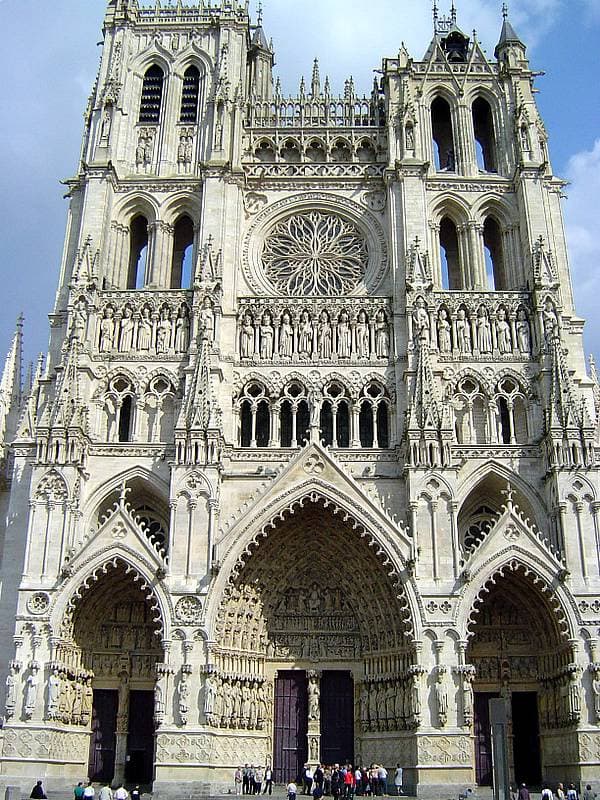
Amiens Cathedral
Amiens Cathedral, officially the Cathedral of Our Lady of Amiens, is a preeminent example of Gothic architecture and a significant religious site in France. It is renowned for its immense scale, being the largest cathedral by volume in France, and for its remarkably unified High Gothic and Rayonnant style, achieved through a swift construction period. The cathedral is also celebrated for its extensive collection of early Gothic sculpture, particularly on its west facade, and holds a UNESCO World Heritage designation.

Avignon Cathedral
Avignon Cathedral, officially Cathédrale Notre-Dame des Doms d'Avignon, is a Romanesque Roman Catholic cathedral located in Avignon, France, adjacent to the Palais des Papes. It serves as the seat of the Archbishop of Avignon and is recognized for its significant architectural history and its inclusion as part of the UNESCO World Heritage site of Avignon.

Agen Cathedral
Agen Cathedral, dedicated to Saint Caprasius, is a Roman Catholic cathedral located in Agen, France. Originally built as a collegiate church in the 12th century, it was later elevated to the status of a cathedral and is recognized as a UNESCO World Heritage Site as part of the Routes of Santiago de Compostela in France.