
Abdallah al-Adil
Almohad·Male·13th century·North Africa
Abdallah al-Adil was an Almohad Caliph who seized power in 1224 through a coup that resulted in the murder of his predecessor. His reign was marked by instability, the loss of al-Andalus, and the eventual collapse of the Almohad state, leading many to consider him one of their most disastrous caliphs.
Key Facts
- ›He was a son of the Almohad conqueror Yaqub al-Mansur and a brother of Caliph Muhammad al-Nasir.
- ›Abdallah served as an Almohad governor in al-Andalus before his coup.
- ›He seized Seville and marched on Marrakesh to depose Caliph Abd al-Wahid I.
- ›His reign saw the loss of Córdoba to al-Bayyasi and Castilian forces.
- ›He was drowned in a palace bathtub on October 4, 1227.
- ›His coup is often seen as a major factor in the decline of the Almohad state.
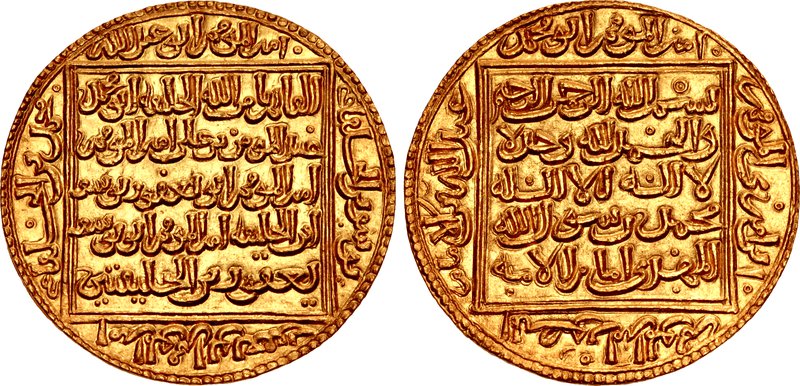
- January 1224: Death of Caliph Yusuf II without heirs.
- 1224: Abd al-Wahid I elected as caliph.
- 1224: Abdallah al-Adil declares himself caliph and seizes Seville.
- September 1224: Abd al-Wahid I is murdered.
- Winter 1224-1225: Failed campaign against Al-Bayyasi.
- 1225: Al-Bayyasi, allied with Ferdinand III of Castile, captures Córdoba.
- Late 1225: Portuguese raiders reach the outskirts of Seville.
- October 4, 1227: Abdallah al-Adil drowns in a palace bathtub.
'al-Adil', 'the Just', 'the Justicer'
Yaqub Al-Mansur, Muhammad Al-Nasir, Yusuf Ii Al-Mustansir, Abd Al-Wahid I, Yahya 'Al-Mutasim', Abu Zayd Ibn Yujjan, Ferdinand Iii of Castile
About Abdallah al-Adil
Abu Muhammad ʿAbdallah, often known by his regnal name 'al-Adil' (meaning 'the Just' or 'the Justicer'), was an Almohad Caliph who reigned from 1224 until his death in 1227. He was a son of the prominent Almohad conqueror Yaqub al-Mansur and a brother to the celebrated Caliph Muhammad al-Nasir. Prior to his caliphate, Abdallah served as a governor in al-Andalus.
Rise to Power and Reign
Abdallah al-Adil seized the caliphate through a coup in January 1224, following the unexpected death of his nephew, Caliph Yusuf II al-Mustansir, who left no heirs. The Marrakesh court initially elected Abd al-Wahid I, an elderly grand-uncle, but Abdallah, supported by his brothers and influential figures, challenged this succession. He declared himself caliph, captured Seville, and successfully deposed and orchestrated the murder of Abd al-Wahid I in September 1224. This act, a breach of dynastic tradition, plunged the Almohad state into a period of profound instability.
Decline of the Almohad State
Abdallah al-Adil's reign is largely characterized by the unraveling of Almohad power. His coup created deep divisions within the dynasty, particularly between factions in al-Andalus and Morocco. In al-Andalus, his rule faced opposition from cousins, and the province became increasingly vulnerable to Christian expansion. A poorly managed military campaign against the rebel al-Bayyasi in 1224–1225 further exposed Almohad weaknesses, allowing Ferdinand III of Castile and other Christian rulers to launch significant raids. The evacuation of Almohad troops to Morocco to consolidate power there left al-Andalus exposed, leading to the loss of key cities like Córdoba.
In Morocco, the legitimacy of Abdallah's rule was contested, and many tribal leaders refused to ratify his usurpation. Facing mounting crises and a loss of authority, Abdallah al-Adil met his end on October 4, 1227, when he was drowned in a palace bathtub. His death marked the end of his tumultuous reign and set the stage for the eventual collapse of the Almohad caliphate, with his nephew Yahya 'al-Mutasim' succeeding him.
Source: Wikipedia ↗
Frequently Asked Questions
How did Abdallah al-Adil become Caliph?
Abdallah al-Adil challenged the election of his grand-uncle, Abd al-Wahid I, after the premature death of Caliph Yusuf II. With the support of his brothers and a former bureaucrat, he declared himself caliph, seized Seville, and marched on Marrakesh, leading to the deposition and murder of his predecessor.
What was the impact of Abdallah al-Adil's coup?
His coup shattered the Almohad dynasty's tradition of undisputed succession and ushered in a period of significant instability. It led to internal divisions, the loss of control over al-Andalus to Christian forces and rebellious factions, and ultimately contributed to the collapse of the Almohad state.
What military campaigns were undertaken during Abdallah al-Adil's reign?
Abdallah al-Adil launched a half-hearted campaign against al-Bayyasi in the hills of Baeza, which proved to be a humiliation. He then focused on transporting Almohad forces to Morocco, leaving al-Andalus vulnerable to raids by Ferdinand III of Castile, Alfonso IX of Leon, and Sancho II of Portugal.
What led to the Seville massacre during his reign?
During Abdallah al-Adil's rule, Portuguese raiders advanced to the outskirts of Seville. The Almohad rulers in the city lacked the manpower to confront them. Disgusted by the rulers' inactivity, the civilian population of Seville raised a levy to fight the raiders, resulting in a massacre of thousands of poorly armed townsfolk.
How did Abdallah al-Adil die?
Abdallah al-Adil died on October 4, 1227. Historical accounts state that he was drowned in a palace bathtub.
Related Caliphs

Abd al-Mu'min
Abd al-Mu'min was the first Caliph of the Almohad Empire, transforming the Almohad movement into a vast territorial state. He is credited with founding the Almohad dynasty and expanding its rule across North Africa and Al-Andalus. His reign marked a significant period of consolidation and military success for the Almohads.
Abd-ar-Rahman III
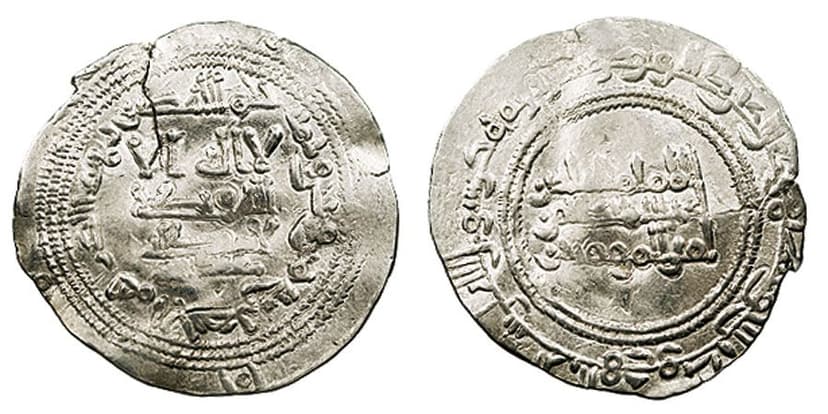
Abd al-Rahman III was the first Caliph of Córdoba, ruling from 912 to 961 CE. He transformed the Umayyad Emirate of Córdoba into a full caliphate, establishing his authority over al-Andalus and parts of North Africa. His long reign was marked by military campaigns to consolidate power, significant architectural projects like the Medina Azahara, and a reputation for religious tolerance.

Abd al-Malik ibn Marwan
Abd al-Malik ibn Marwan was the fifth Umayyad caliph, ruling from 685 to 705 CE. He is renowned for reuniting the Islamic Caliphate after a period of civil war and for implementing significant administrative and religious reforms. His reign is marked by the introduction of a unified Islamic currency, the establishment of Arabic as the official language of bureaucracy, and the construction of the Dome of the Rock, solidifying a distinct Islamic identity for the Umayyad state.