
Abd-ar-Rahman III
Córdoba·Male·10th century·Al-Andalus
Abd al-Rahman III was the first Caliph of Córdoba, ruling from 912 to 961 CE. He transformed the Umayyad Emirate of Córdoba into a full caliphate, establishing his authority over al-Andalus and parts of North Africa. His long reign was marked by military campaigns to consolidate power, significant architectural projects like the Medina Azahara, and a reputation for religious tolerance.
Key Facts
- ›Founded the Caliphate of Córdoba in 929 CE, becoming its first Caliph.
- ›Reigned over al-Andalus from 912 to 961 CE, first as Emir and then as Caliph.
- ›Known for his military campaigns to suppress internal rebellions and expand influence.
- ›Commissioned the construction of the palatial city of Medina Azahara.
- ›His reign was characterized by religious tolerance towards Christian and Jewish subjects.
- ›Claimed the title of Caliph, breaking allegiance with the Fatimid and Abbasid caliphs.
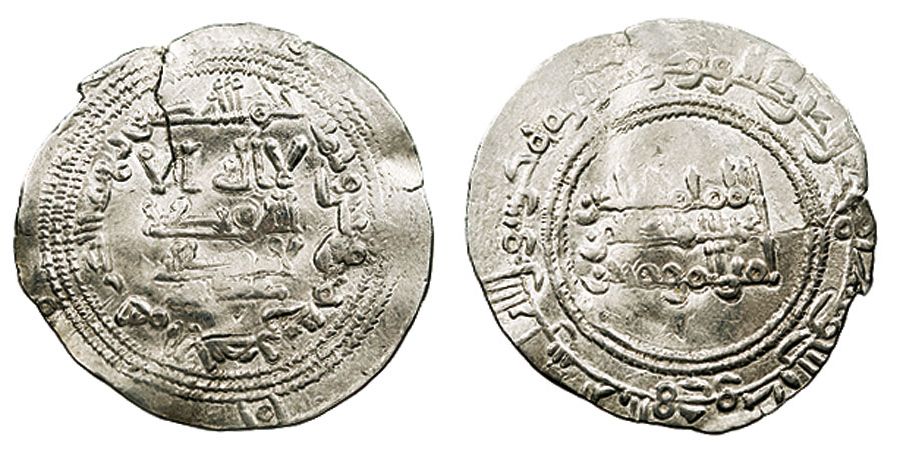
- Declaration of the Caliphate of CóRdoba
- Suppression of Umar Ibn Hafsun's Rebellion
- Construction of Medina Azahara
- Military Campaigns Against Christian Kingdoms of the North
- Assertion of Suzerainty Over Parts of the Maghreb
Al-Nasir li-Din Allah
- Established the Caliphate of CóRdoba
- Consolidated Umayyad Rule Over Al-Andalus
- Expanded Influence Into North Africa
- Oversaw A Period of Cultural and Architectural Flourishing
Abdallah Ibn Muhammad, Muhammad, Muzna, Onneca FortúNez, Toda of Pamplona, Umar Ibn Hafsun, OrdoñO Ii, Sancho GarcéS I, Ramiro Ii, Hasdai Ibn Shaprut, Saint Pelagius of CóRdoba
Medina Azahara
Al-Andalus, Northern and Central Maghreb
- Patronage of Arts and Architecture
- Development of CóRdoba As A Center of Learning and Culture
About Abd-ar-Rahman III
Abd al-Rahman III
Abd al-Rahman III was the first and most significant Caliph of Córdoba, reigning from 912 to 961 CE. Initially ruling as Emir of Córdoba, he dramatically expanded his authority and, in 929 CE, declared himself Caliph, establishing the Caliphate of Córdoba and severing ties with the Abbasid and Fatimid caliphates. His nearly fifty-year reign is celebrated for its military successes in consolidating control over al-Andalus and extending Umayyad influence into North Africa, as well as for its patronage of arts and architecture, most notably the construction of the palatial city of Medina Azahara.
Early Life and Accession
Born in Córdoba in 890 CE, Abd al-Rahman was of Umayyad lineage, tracing his ancestry back to the Umayyad dynasty that had ruled the broader Caliphate before being overthrown by the Abbasids. His lineage also included Christian royal connections through his paternal grandmother, Onneca Fortúnez of Pamplona. He inherited an emirate in a state of disarray, facing numerous internal rebellions and external threats. Despite these challenges, Abd al-Rahman demonstrated strong leadership from his early years, undertaking swift military actions to quell dissent and centralize power.
Consolidation of Power and the Caliphate
Abd al-Rahman III dedicated much of his early reign to subduing powerful rebel factions, particularly the Muwallad leader Umar ibn Hafsun, and asserting control over recalcitrant cities and regions. His military campaigns were systematic and often brutal, but they ultimately led to the reunification and stabilization of al-Andalus. The declaration of the Caliphate in 929 CE was a pivotal moment, symbolizing his supreme authority and enhancing his prestige. He also developed a significant naval presence to counter the Fatimid threat in North Africa and established protectorates in key Berber regions.
Governance, Culture, and Legacy
Abd al-Rahman III's reign is often remembered for its religious tolerance, providing a degree of security and patronage to Christian and Jewish communities within his domain. He was a great humanist and a patron of the arts and sciences, with a substantial portion of the state's revenue allocated to public works and cultural endeavors. The construction of Medina Azahara stands as a testament to the wealth and sophistication of his caliphate. Despite some criticisms regarding his later years, Abd al-Rahman III is widely regarded as one of the most important rulers in Iberian Muslim history, leaving behind a legacy of a powerful and culturally vibrant state.
Source: Wikipedia ↗
Frequently Asked Questions
When did Abd al-Rahman III become Emir of Córdoba?
Abd al-Rahman III succeeded his grandfather, Emir Abdallah, on October 16, 912. He was approximately 21 or 22 years old at the time of his accession.
What significant change did Abd al-Rahman III make to the Umayyad state in Córdoba?
In 929 CE, Abd al-Rahman III declared himself Caliph of Córdoba, transforming the existing emirate into a caliphate. This move elevated his status to both political and religious leader.
What were some of the major challenges during Abd al-Rahman III's early reign?
Upon his accession, Abd al-Rahman III inherited an emirate on the verge of dissolution, with internal rebellions from powerful Muwallad families like Umar ibn Hafsun, and external threats from the Christian Kingdom of Asturias and the Fatimid caliphate in North Africa.
What was Abd al-Rahman III's approach to governing diverse religious groups?
Abd al-Rahman III was known for his religious tolerance. He served as the protector of his Christian and Jewish subjects, and his reign is noted for its relatively peaceful coexistence between different faiths.
What architectural achievements are associated with Abd al-Rahman III?
Abd al-Rahman III was a significant patron of architecture. His most notable achievement is the construction of the palatial city of Medina Azahara, located a few kilometers outside Córdoba, which served as a royal residence and administrative center.
How did Abd al-Rahman III interact with the Christian kingdoms to the north?
Abd al-Rahman III engaged in both conflict and diplomacy with the northern Christian kingdoms. He launched military campaigns to assert Umayyad supremacy, but also formed alliances and received homage from rulers like Queen Toda of Pamplona and King Sancho of León.
Related Caliphs

Abd al-Malik ibn Marwan
Abd al-Malik ibn Marwan was the fifth Umayyad caliph, ruling from 685 to 705 CE. He is renowned for reuniting the Islamic Caliphate after a period of civil war and for implementing significant administrative and religious reforms. His reign is marked by the introduction of a unified Islamic currency, the establishment of Arabic as the official language of bureaucracy, and the construction of the Dome of the Rock, solidifying a distinct Islamic identity for the Umayyad state.

Abd al-Mu'min
Abd al-Mu'min was the first Caliph of the Almohad Empire, transforming the Almohad movement into a vast territorial state. He is credited with founding the Almohad dynasty and expanding its rule across North Africa and Al-Andalus. His reign marked a significant period of consolidation and military success for the Almohads.

Abd Allah ibn al-Zubayr
Abd Allah ibn al-Zubayr was a prominent leader of a caliphate based in Mecca who challenged Umayyad rule during the Second Fitna. As the grandson of Abu Bakr and a descendant of early converts to Islam, he held significant familial and religious prestige. His opposition to the Umayyad dynasty's hereditary succession led him to proclaim himself caliph, though his authority was largely confined to the Hejaz.