
Abd Allah ibn al-Zubayr
Umayyad·Male·7th century·Arabia
Abd Allah ibn al-Zubayr was a prominent leader of a caliphate based in Mecca who challenged Umayyad rule during the Second Fitna. As the grandson of Abu Bakr and a descendant of early converts to Islam, he held significant familial and religious prestige. His opposition to the Umayyad dynasty's hereditary succession led him to proclaim himself caliph, though his authority was largely confined to the Hejaz.
Key Facts
- ›Led a caliphate in Mecca in opposition to the Umayyads from 683 until his death in 692.
- ›Was the grandson of the first Rashidun caliph, Abu Bakr.
- ›Participated in early Muslim conquests in Syria, Egypt, North Africa, and Iran.
- ›Fought against the fourth Rashidun caliph Ali at the Battle of the Camel.
- ›Proclaimed himself caliph after the death of Yazid I in 683.
- ›Was besieged and ultimately killed in Mecca in 692.

Participation In the Conquest of Ifriqiya, Defense of Caliph Uthman's House, Battle of the Camel, Proclamation of Caliphate In Mecca, Siege of Mecca By Umayyad Forces, Death During the Siege of Mecca
al-ʿaʾidh biʾl bayt
- Mobilized significant opposition to Umayyad rule.
- Established a caliphate based in Mecca.
- Advocated for a consultative process for selecting the caliph.
Zubayr Ibn Al-Awwam, Asma Bint Abi Bakr, Abu Bakr, Aisha, Muhammad, Ali Ibn Abi Talib, Yazid I, Marwan I, Abd Al-Malik, Mus'Ab Ibn Al-Zubayr
- Most Islamic Provinces Initially Accepted His Suzerainty, Including Egypt, Kufa, Yemen, and Parts of Syria and Iran.
Leader, Caliph, Rebel, Warrior, Politician
Caliph, Opponent of Umayyad Rule
About Abd Allah ibn al-Zubayr
Abd Allah ibn al-Zubayr ibn al-Awwam was a significant figure in early Islamic history, known for leading a caliphate based in Mecca in opposition to the Umayyad dynasty during the Second Fitna (683–692 CE). Born in May 624 in Medina, he was the son of Zubayr ibn al-Awwam, a prominent companion of the Prophet Muhammad, and Asma bint Abi Bakr, daughter of the first Rashidun caliph, Abu Bakr. This lineage placed him within the esteemed Quraysh tribe and connected him to Islam's earliest converts, making him the first child born to the Muhajirun.
Early Life and Military Career
Ibn al-Zubayr's youth was marked by participation in early Muslim conquests. He fought alongside his father in Syria and Egypt and later played a role in campaigns in North Africa and northern Iran. During the First Fitna, he sided with his aunt Aisha against the fourth Rashidun caliph, Ali ibn Abi Talib, at the Battle of the Camel. He was also appointed to the commission tasked with compiling the Qur'an and was wounded defending Caliph Uthman's house during a siege.
Opposition to the Umayyads and Claim to the Caliphate
While largely inactive during the reign of the first Umayyad caliph, Mu'awiya I, Ibn al-Zubayr refused to recognize Mu'awiya's designation of his son Yazid I as successor. Following Yazid's death in 683, and the subsequent collapse of Umayyad authority, Ibn al-Zubayr proclaimed himself caliph in Mecca. He rallied opposition to Umayyad rule, drawing prestige from his family ties to Muhammad and his association with the holy city of Mecca. Many provinces initially accepted his suzerainty, though his authority was often nominal outside the Hejaz.
Suppression and Death
His caliphate faced challenges from various factions, including Pro-Alid and Kharijite forces, and the reconstituted Umayyad Caliphate under Marwan I and later Abd al-Malik. After Umayyad forces under Abd al-Malik conquered Iraq and killed Ibn al-Zubayr's brother Mus'ab, the Umayyad commander al-Hajjaj ibn Yusuf besieged Mecca. After a six-month siege, Ibn al-Zubayr, despite his mother's counsel to resist, was ultimately slain in October/November 692. His death marked the end of the Second Fitna and the reassertion of Umayyad dominance.
Source: Wikipedia ↗
Frequently Asked Questions
Who was Abd Allah ibn al-Zubayr?
Abd Allah ibn al-Zubayr was a leader of a caliphate based in Mecca who opposed the Umayyad dynasty. He was the grandson of Abu Bakr, the first Rashidun caliph, and a descendant of early converts to Islam.
When did Abd Allah ibn al-Zubayr's reign begin and end?
Abd Allah ibn al-Zubayr proclaimed himself caliph in 683 and his reign ended with his death in 692. This period is known as the Second Fitna.
What was Abd Allah ibn al-Zubayr known for opposing?
He is known for his strong opposition to the Umayyad caliphate becoming a hereditary institution. He advocated for the caliph to be chosen through consultation among the Quraysh.
What significant battles did Abd Allah ibn al-Zubayr participate in?
As a youth, he participated in early Muslim conquests and later fought alongside his aunt Aisha against Caliph Ali at the Battle of the Camel. During the Second Fitna, his forces were involved in numerous engagements, culminating in the siege of Mecca.
What was the outcome of Abd Allah ibn al-Zubayr's opposition to the Umayyads?
While he gained significant recognition as caliph across many provinces following the collapse of Umayyad authority, his power base remained largely in the Hejaz. He was eventually besieged in Mecca and killed by Umayyad forces in 692, marking the end of the Second Fitna.
Related Caliphs

Abd al-Malik ibn Marwan
Abd al-Malik ibn Marwan was the fifth Umayyad caliph, ruling from 685 to 705 CE. He is renowned for reuniting the Islamic Caliphate after a period of civil war and for implementing significant administrative and religious reforms. His reign is marked by the introduction of a unified Islamic currency, the establishment of Arabic as the official language of bureaucracy, and the construction of the Dome of the Rock, solidifying a distinct Islamic identity for the Umayyad state.
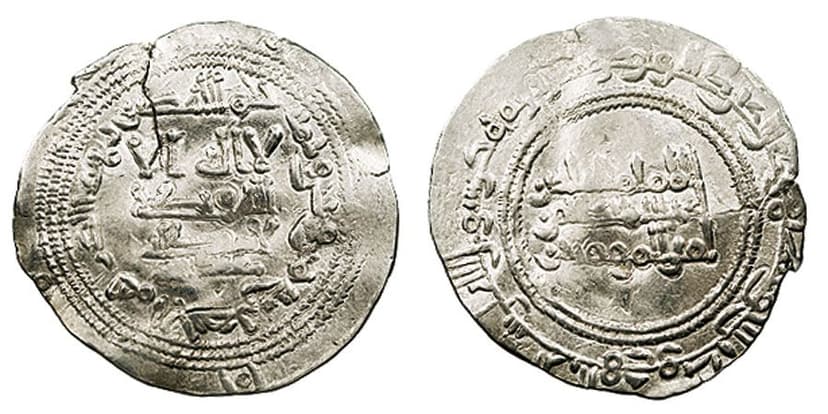
Abd-ar-Rahman III
Abd al-Rahman III was the first Caliph of Córdoba, ruling from 912 to 961 CE. He transformed the Umayyad Emirate of Córdoba into a full caliphate, establishing his authority over al-Andalus and parts of North Africa. His long reign was marked by military campaigns to consolidate power, significant architectural projects like the Medina Azahara, and a reputation for religious tolerance.
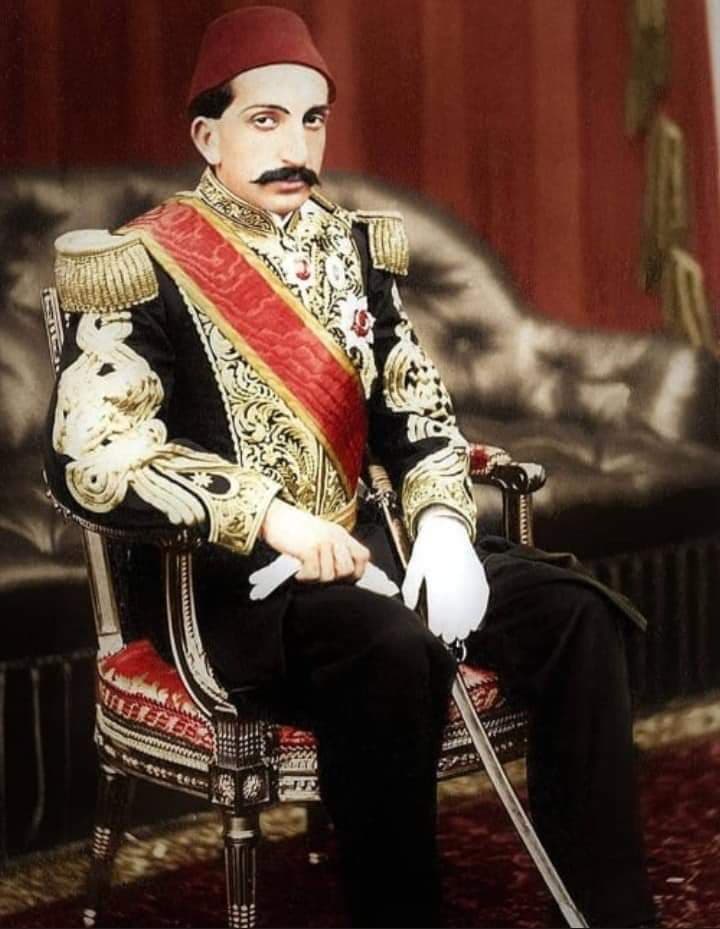
Abdul Hamid II
Abdul Hamid II was the 34th Sultan of the Ottoman Empire, reigning from 1876 to 1909. He is known for his autocratic rule, the promulgation and subsequent suspension of the Ottoman Empire's first constitution, and his promotion of Pan-Islamism. Despite presiding over a period of territorial decline and internal unrest, his reign also saw significant modernization efforts in education and infrastructure.