
Abd al-Mu'min
Almohad·Male·11th century·Algeria
Abd al-Mu'min was the first Caliph of the Almohad Empire, transforming the Almohad movement into a vast territorial state. He is credited with founding the Almohad dynasty and expanding its rule across North Africa and Al-Andalus. His reign marked a significant period of consolidation and military success for the Almohads.
Key Facts
- ›Founded the Almohad dynasty and established the Almohad empire.
- ›Became the first Caliph of the Almohad Empire in 1133.
- ›Defeated the Almoravids and extended Almohad rule across North Africa and Al-Andalus.
- ›Founded the Kutubiyya Mosque in Marrakesh and the Mosque of Tinmel.
- ›Died in May 1163 and was buried in Tinmel.
- ›Considered a national hero in Algeria.

- Defeat of the Almoravids and capture of Marrakesh
- Suppression of a major rebellion in the Sous Valley
- Conquest of Tunis
- Conquest of Mahdia, Kairouan, and other cities in Ifriqiya
- Attempted assassination attempt
Khalifat al-Mahdi, Amir al-Mu'minin
- Founded the Almohad Dynasty
- Created the Almohad Empire
- Established a central government that controlled North Africa for over half a century
- Created a land registry to manage the empire's revenue
- Supported the arts
- Built the Kasbah of the Udayas
Ibn Tumart, Almoravids, Alfonso Vii of Castile
Kutubiyya Mosque, Mosque of Tinmel, Kasbah of the Udayas
Al-Andalus, Ifriqiya, Tripoli
- Supported the arts
- Kept mosque construction simple and plain according to founders' wishes
About Abd al-Mu'min
Abd al-Mu'min (c. 1094–1163) was a pivotal figure in Islamic history, best known as the first Caliph of the Almohad Empire and the founder of its ruling dynasty. Though the Almohad movement itself was initiated by Ibn Tumart, Abd al-Mu'min was instrumental in transforming it from a religious order into a vast and powerful empire that dominated North Africa and Al-Andalus.
Life and Historical Context
Born in Tagra, near Tlemcen (in present-day Algeria), Abd al-Mu'min hailed from the Kumiya tribe. His early life involved studying Fiqh, and he eventually encountered Ibn Tumart, the founder of the Almohad movement. Becoming a devoted follower around 1117, Abd al-Mu'min rose through the ranks, proving to be a capable military leader. Following Ibn Tumart's death in 1130, Abd al-Mu'min strategically kept the news secret for three years during a critical phase of their conflict with the Almoravids. He then assumed leadership, consolidating the movement into a formidable military force and proclaiming himself Caliph. He adopted titles such as 'Representative of the Mahdi' and 'Prince/Commander of the Believers', and even claimed an Arab Qaysi genealogy to legitimize his rule.
Major Contributions and Expansion
Abd al-Mu'min's reign was characterized by extensive military campaigns and territorial expansion. He systematically defeated the Almoravids, capturing their capital, Marrakesh, in 1147. His conquests extended across the Maghreb, including Al-Andalus (the Iberian Peninsula) and as far east as Tunis in Ifriqiya (present-day Tunisia). He established a centralized administration, creating a land registry to manage the empire's revenue and incorporating a concept of Makhzan, a central administration staffed by Spanish Muslims, alongside traditional Berber clan organizations. He also supported the arts, though he adhered to the Almohad founders' preference for simple mosque architecture.
Legacy
Abd al-Mu'min's founding of the Almohad dynasty and his establishment of a stable, centralized government laid the groundwork for a powerful empire that would endure for over half a century after his death. He is remembered as a national hero in Algeria and is credited with significant architectural achievements, including the founding of the Kutubiyya Mosque in Marrakesh and the Mosque of Tinmel. His strategic acumen and military successes reshaped the political landscape of the Islamic West.
Source: Wikipedia ↗
Frequently Asked Questions
Who was Abd al-Mu'min?
Abd al-Mu'min was the first Caliph of the Almohad Empire and the founder of the ruling Almohad dynasty. He was a key figure in the Almohad movement, transforming it into a powerful state.
When did Abd al-Mu'min rule?
Abd al-Mu'min ruled as the first Caliph of the Almohad Empire from 1133 until his death in 1163.
What were Abd al-Mu'min's major accomplishments?
Abd al-Mu'min is known for defeating the Almoravids, extending Almohad control over North Africa and Al-Andalus, and establishing a central government. He also supported the arts and was a significant builder of mosques and palaces.
Where was Abd al-Mu'min born?
Abd al-Mu'min was born in the village of Tagra, near Tlemcen, in the Kingdom of the Hammadids, which is in present-day Algeria.
Who succeeded Abd al-Mu'min?
Abd al-Mu'min's son, Abu Ya'qub Yusuf, succeeded him as Caliph of the Almohad Empire.
Related Caliphs
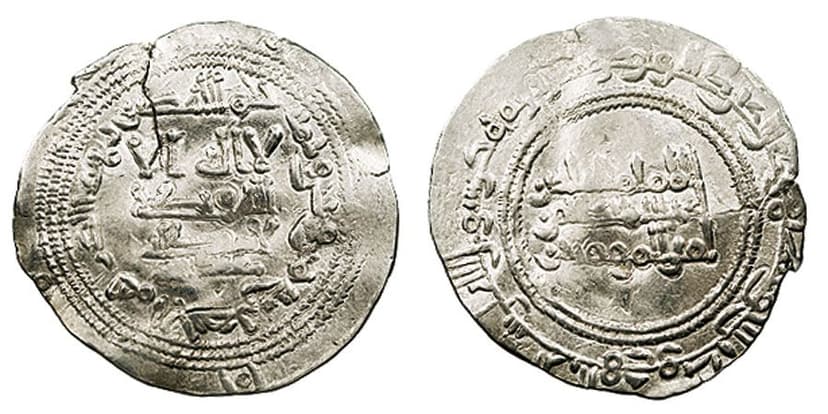
Abd-ar-Rahman III
Abd al-Rahman III was the first Caliph of Córdoba, ruling from 912 to 961 CE. He transformed the Umayyad Emirate of Córdoba into a full caliphate, establishing his authority over al-Andalus and parts of North Africa. His long reign was marked by military campaigns to consolidate power, significant architectural projects like the Medina Azahara, and a reputation for religious tolerance.
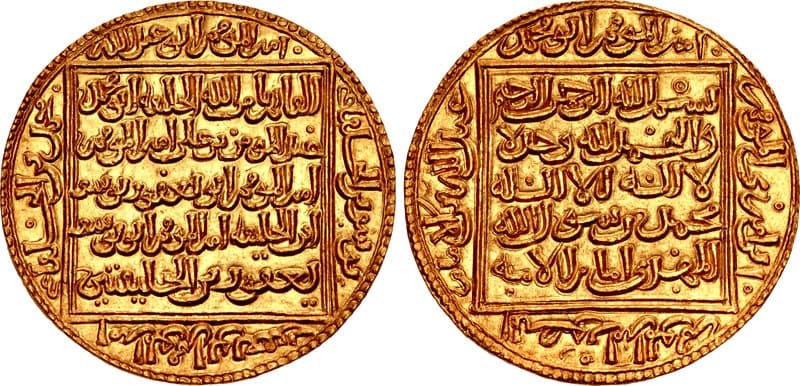
Abdallah al-Adil
Abdallah al-Adil was an Almohad Caliph who seized power in 1224 through a coup that resulted in the murder of his predecessor. His reign was marked by instability, the loss of al-Andalus, and the eventual collapse of the Almohad state, leading many to consider him one of their most disastrous caliphs.

Abd al-Malik ibn Marwan
Abd al-Malik ibn Marwan was the fifth Umayyad caliph, ruling from 685 to 705 CE. He is renowned for reuniting the Islamic Caliphate after a period of civil war and for implementing significant administrative and religious reforms. His reign is marked by the introduction of a unified Islamic currency, the establishment of Arabic as the official language of bureaucracy, and the construction of the Dome of the Rock, solidifying a distinct Islamic identity for the Umayyad state.