
Weliwita Sri Saranankara Thero
Weliwita Sri Saranankara Thero was a pivotal Buddhist monk in Sri Lanka, recognized as the last Sangharaja (chief monk). He is celebrated for spearheading the revival of Buddhism in the 18th century, particularly by re-establishing the Upasampada (higher ordination) ceremony. His efforts restored the monastic discipline and scholarly tradition of Buddhism in the country.
Key Facts
- ›Born on June 19, 1698, in Tumpane, Hatharaliyadda, near Kandy, Sri Lanka.
- ›Ordained as a samanera at 16 and received higher ordination (upasampada) in 1753.
- ›Played a crucial role in reviving the Upasampada in Sri Lanka with assistance from Siam (Thailand).
- ›Appointed as the last Sangharaja of Sri Lanka by King Kirti Sri Rajasinghe in 1753.
- ›Authored several significant religious literary works, including Munigunalankara and Sarartha Sangraha.
- ›Died on July 18, 1778, at the age of 80.
Important Relationships
- King Kirti Sri Rajasinghe
- King Vijaya Rajasinghe
- King Vira Narendrasinghe
- Upali Maha Thera
- Silvat Samagama
Munigunalankara, Sarartha Sangraha, Abhisambodhialankara, Madhurartha Prakasini, Rupamala
Kandy, Tumpane, Hatharaliyadda, Malwatu Maha Viharaya, Alagalla, Hantana
Suriyagoda Rajaguru Thera, Arakanese Monks
Pali, Sinhala
Bhikkhu, Samanera
About Weliwita Sri Saranankara Thero
Weliwita Sri Saranankara Thero (1698–1778), born Kulathun Bandara, was a highly influential Buddhist monk in 18th-century Sri Lanka. He is widely celebrated as the pioneer of the revival of Buddhism in the island nation, particularly following a significant decline in the religion during the preceding centuries. His most notable achievement was the re-establishment of the Upasampada, the higher ordination ceremony for Buddhist monks, which had become defunct.
Early Life and Ordination
Born in Tumpane, near Kandy, Weliwita Sri Saranankara Thero was ordained as a samanera (novice monk) at the age of 16. His early life was marked by dedication to learning, including mastering the Pali language, and adherence to strict monastic discipline. He adopted the epithet "Asarana Sarana" for his kindness to the helpless and "Pindapathika Saranankara" for his practice of collecting alms from house to house, distinguishing himself from many contemporary monks who lived more like laymen.
Revival of Buddhism and Upasampada
During Saranankara Thero's time, the Buddhist clergy in Sri Lanka had largely deviated from the Vinaya (monastic discipline). The lack of higher ordination meant that monks could not properly maintain the lineage. Saranankara Thero, recognizing this crisis, dedicated himself to its restoration. He gained the patronage of King Kirti Sri Rajasinghe, who supported his efforts to seek assistance from Siam (modern Thailand). After several attempts, a delegation of Siamese monks led by Upali Maha Thera arrived in Sri Lanka in 1753, enabling the re-establishment of the Upasampada. This event is considered a cornerstone of the modern resurgence of Buddhism in Sri Lanka.
Sangharaja and Literary Contributions
Following the successful revival of the Upasampada, Weliwita Sri Saranankara Thero was appointed Sangharaja, the highest ecclesiastical office for a monk in Theravada Buddhism. He was the last monk to hold this title. In addition to his administrative and revivalist activities, Saranankara Thero was also a scholar and author. He compiled and wrote several important religious texts, including "Munigunalankara," "Sarartha Sangraha," and works on Pali grammar, contributing significantly to the preservation and propagation of Buddhist literature and teachings.
Source: Wikipedia ↗
Frequently Asked Questions
Who was Weliwita Sri Saranankara Thero?
Weliwita Sri Saranankara Thero was a prominent Buddhist monk in 18th-century Sri Lanka. He is most renowned for his leadership in the revival of Buddhism, particularly the re-establishment of the Upasampada, the higher ordination ceremony for monks.
What was the significance of the Upasampada revival?
The Upasampada ceremony had become defunct in Sri Lanka for a considerable period due to the decline of Buddhism. Its revival by Weliwita Sri Saranankara Thero, with assistance from Siam, restored the purity of monastic discipline and allowed for the proper ordination of monks, revitalizing the Buddhist clergy.
What role did King Kirti Sri Rajasinghe play in Saranankara Thero's work?
King Kirti Sri Rajasinghe was instrumental in supporting Weliwita Sri Saranankara Thero's efforts. He provided the necessary royal patronage and assistance, including facilitating embassies to Siam, which were crucial for the successful revival of the Upasampada.
What literary works are attributed to Weliwita Sri Saranankara Thero?
Weliwita Sri Saranankara Thero was also a prolific writer. His notable literary works include 'Munigunalankara,' a Sinhalese poem praising the Buddha, and 'Sarartha Sangraha,' a treatise on Buddhist philosophical teachings. He also authored 'Abhisambodhialankara' and 'Madhurartha Prakasini.'
What was Weliwita Sri Saranankara Thero's title and its significance?
Weliwita Sri Saranankara Thero was bestowed with the title Sangharaja, meaning 'King of the Sangha' or chief monk. He was the last Sri Lankan monk to hold this prestigious title, signifying his supreme leadership and authority within the Buddhist monastic community.
Related Buddhists
Jyotipal Mahathero
Jyotipal Mahathero (1914–2002) was a distinguished Bangladeshi Buddhist monk and the 10th Sangharaja (supreme patriarch) of Buddhists in Bangladesh. He is recognized for his profound intellect in Buddhist teachings, establishing numerous educational centers, and fostering interfaith harmony. His written works and instructive model continue to influence Buddhist scholarship and research.
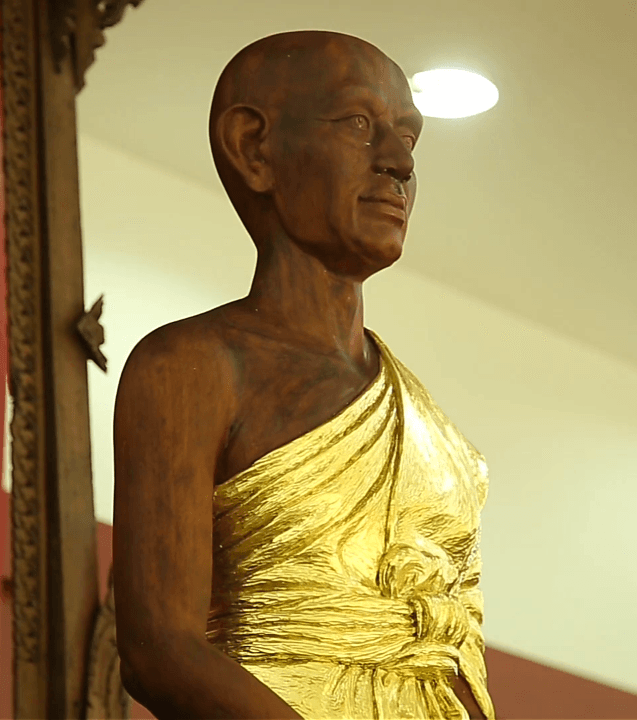
Upali Thera
Upali Thera was a distinguished Thai Theravāda monk and royal missionary who played a pivotal role in the revival of Buddhist monasticism in Sri Lanka. He is most renowned for founding the Siam Nikaya, a prominent Buddhist monastic order in Sri Lanka, and for re-establishing the upasampadā (higher ordination) lineage in 1753, which had been absent for centuries. His reforms emphasized strict adherence to the Vinaya and reoriented important Buddhist festivals, solidifying his legacy as a key figure in transnational Theravāda unity.
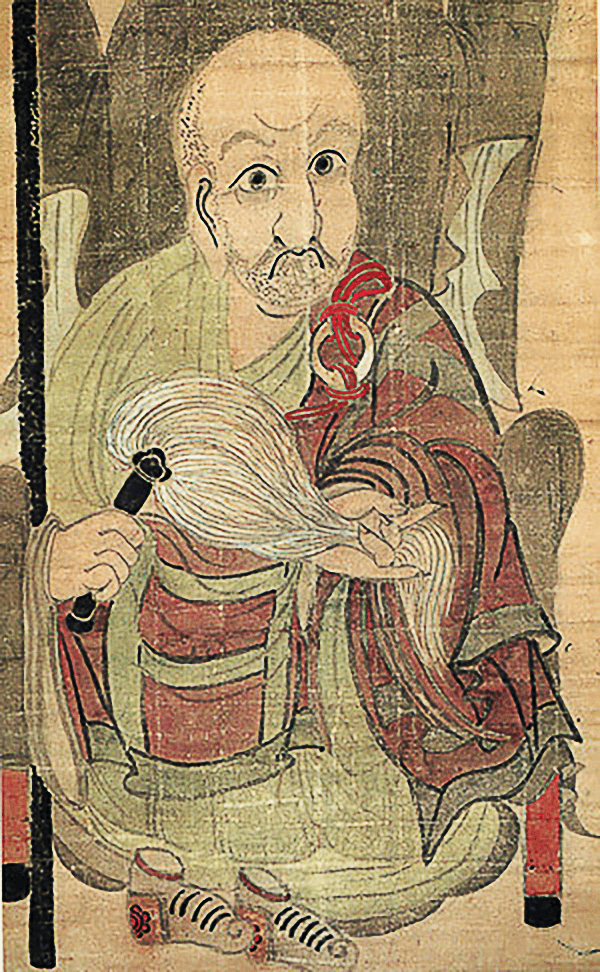
Hakuin Ekaku
Hakuin Ekaku was a pivotal figure in Japanese Zen Buddhism, revitalizing the Rinzai school through rigorous training that integrated meditation and koan practice. He emphasized the importance of bodhicitta, or working for the benefit of others, as the ultimate goal of Zen training, even though he never formally received dharma transmission. Hakuin's teachings and methods significantly shaped modern Zen practice.