
Sōyū Matsuoka
United States·Soto Zen (initially)·Male·20th century
Dr. Sōyū Matsuoka was an early Zen teacher who established a significant presence in the United States, serving Japanese immigrants and later gathering a following of American practitioners. He founded the Zen Buddhist Temple of Chicago and, after leaving the Soto-shu tradition, continued to lead communities in California. Matsuoka is recognized for his role in introducing Zen Buddhism to the West and for transmitting Dharma to several students.
Key Facts
- ›Matsuoka was one of the first Zen teachers to reside in the United States.
- ›He arrived in the us before World War II to serve Japanese immigrants.
- ›Matsuoka established the Chicago Buddhist Temple in 1949.
- ›He parted ways with the Soto-shu, believing Zen to be a personal experience independent of sectarian authority.
- ›Matsuoka moved to Long Beach, California, in 1970, continuing his spiritual leadership.
- ›Several of his students received Dharma transmission, becoming recognized Zen teachers.

Important Relationships
- Zenshuji Temple
- Sokoji Soto Zen Mission (Temple)
- Zen Buddhist Temple of Chicago
- Soto-shu
Los Angeles, San Francisco, Chicago, Long Beach, California
Early Zen Teacher, Religious Leader
About Sōyū Matsuoka
Dr. Sōyū Matsuoka (1912–1997) was a significant figure in the introduction and establishment of Zen Buddhism in the United States. Alongside contemporaries like Sokei-an and Nyogen Senzaki, Matsuoka was among the pioneering Zen teachers who chose to make America their home, dedicating his life to spiritual guidance and the dissemination of Zen teachings.
Biography and Ministry
Matsuoka's journey to the United States occurred shortly before World War II, with the initial purpose of serving the Japanese immigrant community. He first served as an assistant abbot at Zenshuji Temple in Los Angeles and later took on supervisory duties at the Sokoji Soto Zen Mission in San Francisco. A pivotal moment in his American ministry was the establishment of the Chicago Buddhist Temple in 1949, which is now known as the Zen Buddhist Temple of Chicago. In the 1960s, Matsuoka began to attract a following of American practitioners, with individuals like Richard Langlois being among the first Americans to receive Dharma transmission from him.
In 1970, Matsuoka relocated to Long Beach, California, where he continued his work, leading communities and offering guidance. Notably, Matsuoka eventually separated from the Soto-shu tradition. This departure stemmed from his conviction that Zen practice was fundamentally a personal experience, and he felt that the established authority and monastic training structures of the Soto Sect could, in fact, hinder the genuine practice of Zen.
Dharma Transmission and Legacy
Matsuoka played a crucial role in fostering the next generation of Zen teachers. According to Kozen Sampson, at least three of Matsuoka's students achieved inka shomei, a recognition of full Dharma transmission and the status of Roshi. Four students were formally registered as novice priests with the Soto-Shu, and five received full priesthood. Among his prominent Dharma heirs were Hogaku Shozen McGuire, Zenkai Taiun Michael Elliston, and Kaiten Johndennis Govert. Hogaku established Daibutsuji Zen Temple and the Zen Center of Las Cruces in New Mexico. Taiun Elliston Sensei founded the Atlanta Soto Zen Center and has been active in establishing an order dedicated to honoring Matsuoka's teachings. Daiho Hilbert, another student, left Daibutsuji to found the Order of Clear Mind Zen, a socially engaged sangha.
Sōyū Matsuoka passed away in 1997, leaving behind a legacy as a foundational teacher who helped shape the landscape of Zen Buddhism in the Western world.
Source: Wikipedia ↗
Frequently Asked Questions
When did Sōyū Matsuoka come to the United States?
Sōyū Matsuoka came to the United States shortly before World War II. His initial purpose was to serve Japanese immigrants in the country.
What significant Buddhist temple did Sōyū Matsuoka found?
Sōyū Matsuoka founded the Chicago Buddhist Temple in 1949. This temple is now known as the Zen Buddhist Temple of Chicago.
Why did Sōyū Matsuoka leave the Soto-shu?
Matsuoka left the Soto-shu because he believed that Zen is a personal experience. He felt that the authority of the Soto Sect and its training monasteries inhibited the practice of Zen.
Where did Sōyū Matsuoka live and teach later in his life?
In 1970, Matsuoka moved from Chicago to Long Beach, California. He continued to preside over various Buddhist communities there until his death.
Did Sōyū Matsuoka have any students who received Dharma transmission?
Yes, according to Kozen Sampson, at least three of Matsuoka's students received inka shomei, signifying full Dharma transmission and the status of Roshi. Several other students received formal priesthood.
Related Buddhists
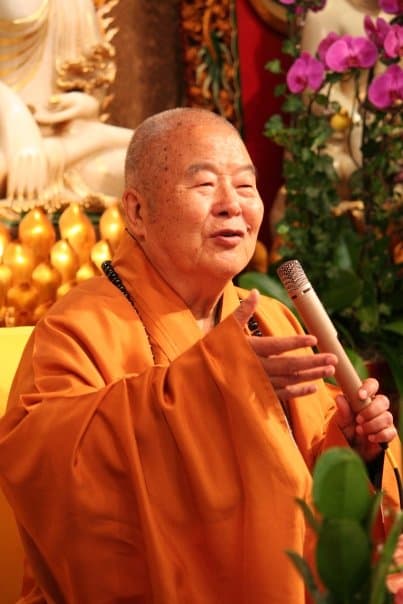
Hsing Yun
Hsing Yun was a prominent Chinese Buddhist monk, teacher, and philanthropist who founded the Fo Guang Shan monastic order and the Buddha's Light International Association. He was a leading proponent of Humanistic Buddhism and one of the most influential figures in modern Taiwanese Buddhism, known for his efforts to modernize Buddhist teachings and engage with contemporary society through various media and social welfare initiatives.
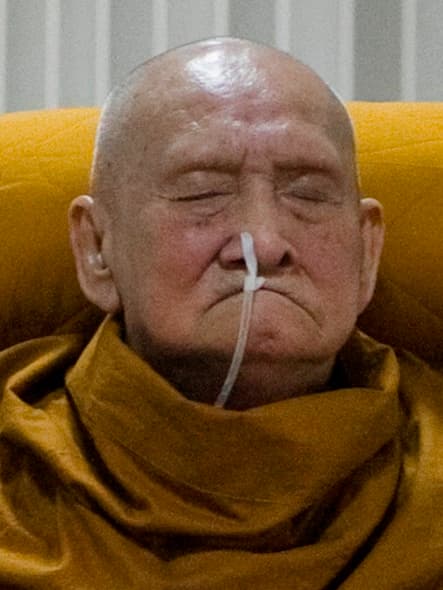
Somdet Phra Sangharaja Chao Krommaluang Vajirañāṇasaṃvara
Somdet Phra Sangharaja Chao Krommaluang Vajirañāṇasaṃvara, born Charoen Khachawat, was the 19th Supreme Patriarch of Thailand, appointed in 1989 by King Bhumibol Adulyadej. He was a significant figure in the Dhammayutt Order and held a special monastic title that had not been granted for over 150 years. He served until his death in October 2013, shortly after his 100th birthday.
Maha Bodhi Ta Htaung Sayadaw
Maha Bodhi Ta Htaung Sayadaw, born Toe Kywe, was the founding abbot of Maha Bodhi Ta Htaung in Myanmar. He is renowned for planting thousands of Bodhi trees and constructing numerous pagodas and Buddha statues. His influential teachings emphasize compassion, mindfulness, and ethical conduct, guiding followers towards spiritual prosperity and Nibbana.