
Sīlācāra
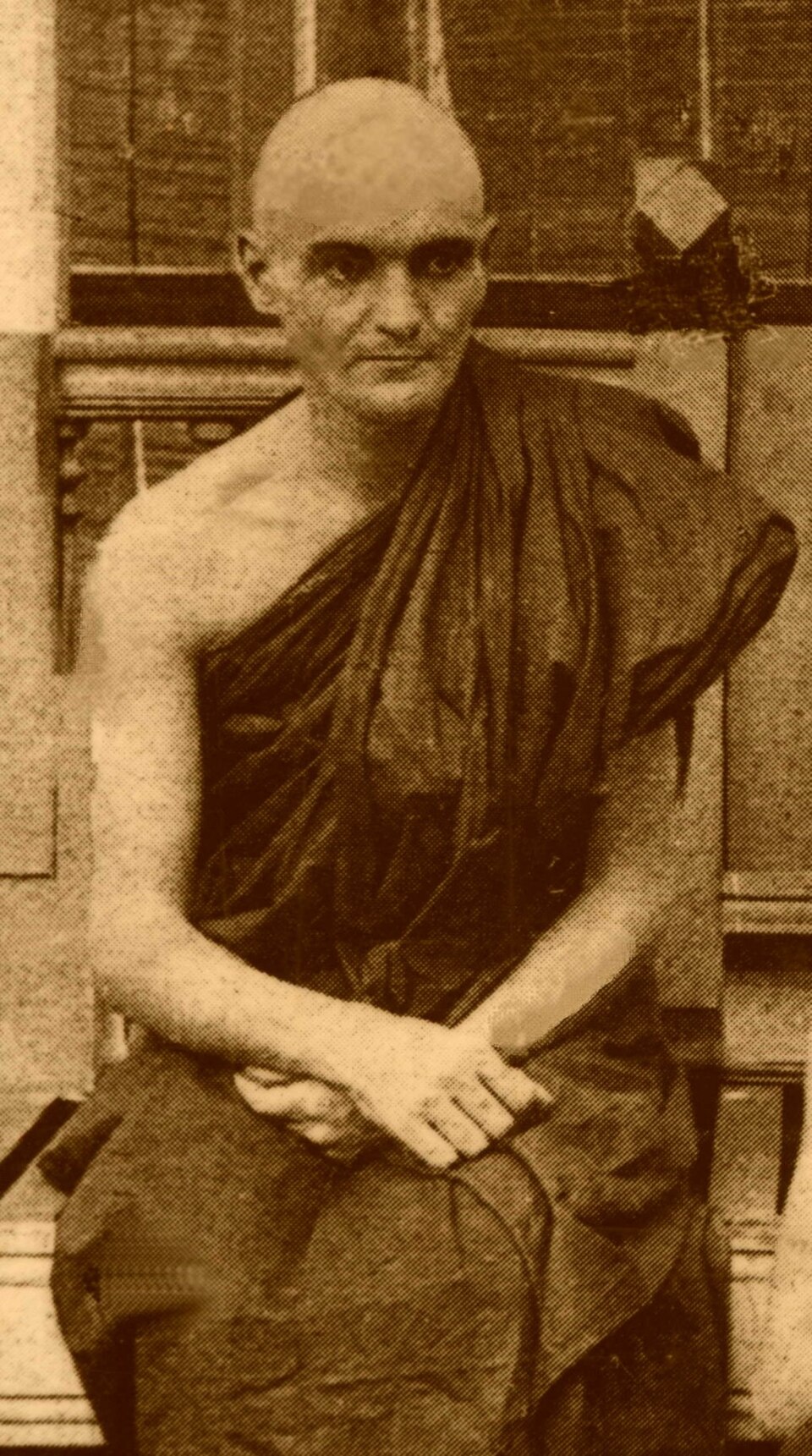
Sīlācāra Bhikkhu, born John Frederick S. Mckechnie, was a prominent early Western Buddhist monk and prolific writer. He is known for his translations and original works that emphasized the rational and scientific aspects of Buddhism, contributing significantly to the dissemination of Buddhist teachings in the West.
Key Facts
- ›Became a Buddhist monk in 1906, one of the earliest Westerners to do so in modern times.
- ›Translated works from German into English, including 'the Word of the Buddha' by Nyanatiloka Thera.
- ›Authored numerous books and essays on Buddhism, often highlighting its rational and scientific dimensions.
- ›Contributed to various Buddhist publications in the UK, Sri Lanka, Burma, and Germany.
- ›Assisted Anagarika Dharmapala at the Mahabodhi Society's British branch after disrobing due to ILL health.
Important Relationships
- Anagarika Dharmapala
- Alexandra David-Néel
- Esther Lydia Shiel
- the Word of the Buddha
- Lotus Blossoms
- Panchasila: the Five Precepts
- the Four Noble Truths
- the Dhammapada, Or Way of Truth
- the Noble Eightfold Path
- the Fruit of Homelessness: the SāMaññAphala Sutta
- A Young People's Life of the Buddha
Rangoon, Burma, Tumlong, Sikkim, Wisborough Green, West Sussex, England
Nyanatiloka Thera, Paul Dahlke, Bhikkhu āNanda Metteyya
English, German
Bhikkhu, Samanera
About Sīlācāra
Sīlācāra Bhikkhu
Sīlācāra Bhikkhu, born John Frederick S. McKechnie (1871–1951), was a significant figure among the early Westerners who embraced Buddhist monastic life in the modern era. Ordained as a monk in 1906, Sīlācāra became a prolific writer and translator, contributing substantially to the understanding and dissemination of Buddhist teachings in the Western world.
Life and Historical Context
Details of Sīlācāra's early life are subject to some uncertainty, with conflicting accounts regarding his parentage and early employment. It is suggested he may have had a higher education, which would have facilitated his later work. He was drawn to Buddhism after encountering it in a magazine and subsequently responded to an advertisement by Bhikkhu Ānanda Metteyya, leading him to travel to Burma (modern-day Myanmar). There, he was ordained as a novice (samanera) in 1906 with the name Sāsanavaṃsa, and later as a bhikkhu in 1906 or 1907, receiving the name Sīlācāra. He spent time in monastic residences in Rangoon, associated with figures like Nyanatiloka Thera and Ānanda Metteyya.
Sīlācāra's life also involved periods in other regions. In 1914, he was in Tumlong, Sikkim, near the Tibetan border, with reports indicating he was invited by the Maharaja to teach Buddhism. During World War I, he likely remained in Burma. Later, due to declining health, particularly asthma and heart trouble, he disrobed in 1925 and returned to England. In England, he collaborated with Anagarika Dharmapala at the Mahabodhi Society's British branch, lecturing and editing 'The British Buddhist.' His final years were spent in West Sussex, where he resided in a house shared with Esther Lydia Shiel before moving to an old persons' home until his death.
Work and Contributions
Sīlācāra Bhikkhu was a dedicated scholar and writer, producing a considerable body of work. His writings, often characterized by an emphasis on the rational and scientific aspects of Buddhism, were reprinted in various editions and published in numerous Buddhist journals across different countries. He translated important Buddhist texts from German into English, including Nyanatiloka Thera's 'The Word of the Buddha,' which was published in Rangoon in 1907. His original works include titles such as 'Lotus Blossoms,' 'Panchasila: The Five Precepts,' and 'The Dhammapada, or Way of Truth.' His contributions helped make Buddhist philosophy and ethics more accessible to a Western readership during a formative period for Buddhism in the West.
Source: Wikipedia ↗
Frequently Asked Questions
Who was Sīlācāra Bhikkhu?
Sīlācāra Bhikkhu, born John Frederick S. McKechnie, was an influential early Western Buddhist monk and author. He is recognized for his extensive writings and translations that aimed to explain Buddhist philosophy and ethics to a Western audience.
When did Sīlācāra become a Buddhist monk?
Sīlācāra Bhikkhu became a Buddhist monk in 1906. This made him one of the first Westerners in modern history to ordain as a bhikkhu.
What kind of works did Sīlācāra produce?
Sīlācāra was a prolific writer and translator. His works include translations from German authors like Nyanatiloka Thera and Paul Dahlke, as well as original essays and books that often focused on the rational and scientific aspects of Buddhism.
What was Sīlācāra's connection to Anagarika Dharmapala?
After disrobing in 1925 due to health issues, Sīlācāra returned to England and assisted Anagarika Dharmapala. He lectured and edited 'The British Buddhist' for the Mahabodhi Society's British branch.
Where did Sīlācāra live and work?
Sīlācāra spent significant periods in Burma (now Myanmar) where he was ordained. He also lived in England for much of his later life, contributing to Buddhist organizations and continuing his writing.
Related Buddhists
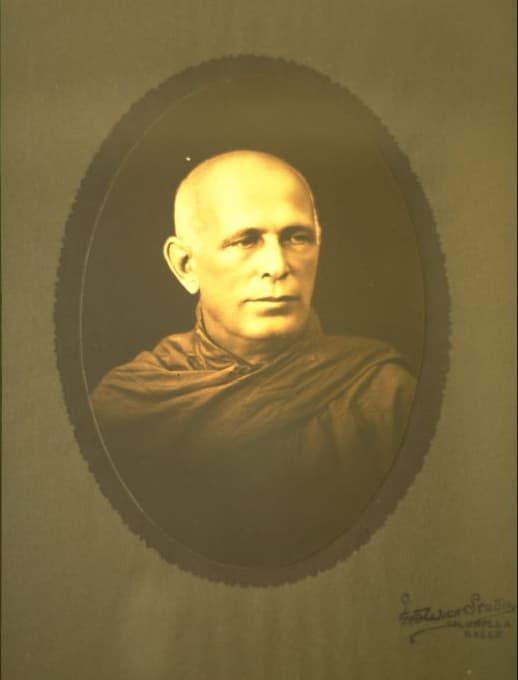
Nyānatiloka Mahāthera
Nyānatiloka Mahāthera, born Anton Walther Florus Gueth, was a pioneering German Buddhist monk and one of the earliest Westerners to become a fully ordained Bhikkhu in the Theravada tradition. He is renowned for his extensive translations of Pali scriptures into German and English, his establishment of the Island Hermitage in Sri Lanka, and his significant contributions to Buddhist scholarship and dissemination in the West.
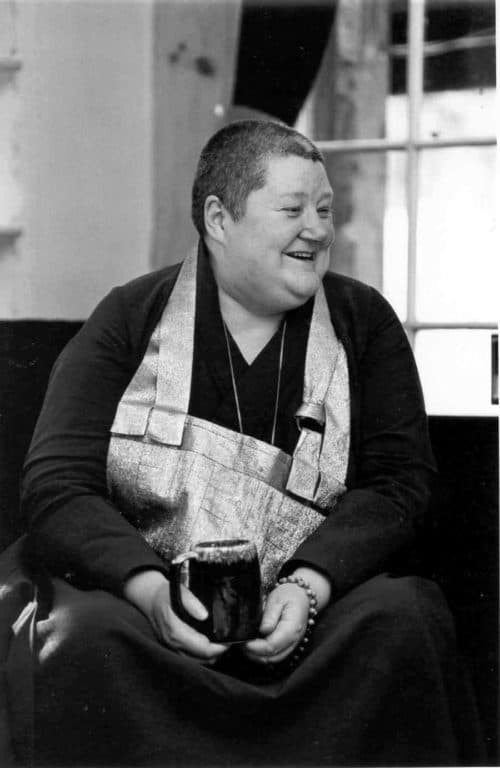
Houn Jiyu-Kennett
Houn Jiyu-Kennett was a British Buddhist abbess, born Peggy Teresa Nancy Kennett, recognized as the first female rōshi sanctioned by the Sōtō School of Japan to teach in Western countries. She established the Order of Buddhist Contemplatives, with chapters in the US, Canada, and Europe, and is known for adapting Zen to Western needs and for her own visionary experiences, which she documented in "How to Grow a Lotus Blossom."
Suro Krishna Chakma
Suro Krishna Chakma is a pioneering Bangladeshi professional boxer, recognized as the first of his nationality to enter the professional ranks. He has achieved national championships, represented Bangladesh in international competitions like the Commonwealth Games and South Asian Games, and secured a bronze medal.