
Nyānatiloka Mahāthera
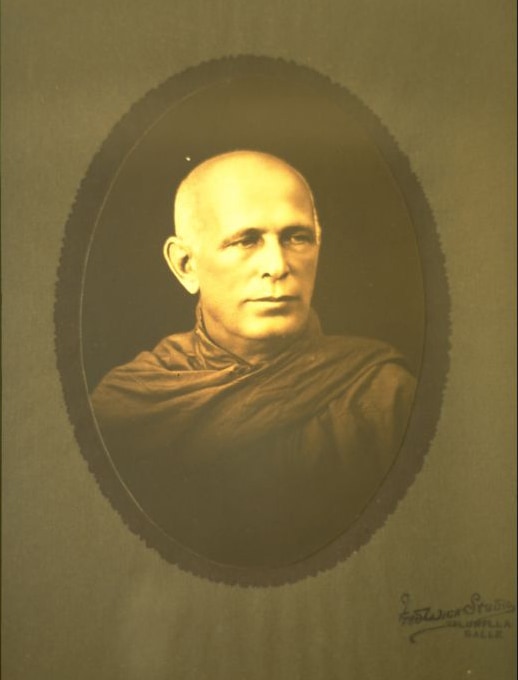
Nyānatiloka Mahāthera, born Anton Walther Florus Gueth, was a pioneering German Buddhist monk and one of the earliest Westerners to become a fully ordained Bhikkhu in the Theravada tradition. He is renowned for his extensive translations of Pali scriptures into German and English, his establishment of the Island Hermitage in Sri Lanka, and his significant contributions to Buddhist scholarship and dissemination in the West.
Key Facts
- ›Born Anton Walther Florus Gueth in Wiesbaden, Germany, on February 19, 1878.
- ›Became a fully ordained Theravada Buddhist monk (Bhikkhu) in Burma in 1904.
- ›Founded the Island Hermitage, a significant Buddhist monastery in Sri Lanka, in 1911.
- ›Translated numerous Pali texts into German, including the Anguttara Nikaya and the Dhammapada.
- ›Authored influential works such as 'the Word of the Buddha' and 'Buddhist Dictionary'.
- ›Was interned multiple times due to his German nationality during World War I and World War II.
Important Relationships
- Bhikkhu Ananda Metteyya
- U Asabha Thera
- U Kumara Mahathera
- Kosambi Dhammananda
- Jinavaravamsa
- Walter Markgraf (Dhammanusari)
- Alexandra David-Néel
- Rodolphe-Adrien Bergier
- Bhikkhu Sīlācāra
- Bhikkhu Vappo (Ludwig Stolz)
- Sister Uppalavaṇṇā (Else Buchholz)
- Anagarika Govinda
- Nyanaponika Thera
- Nyanakhetta
- Nanamoli Bhikkhu
- Nyanavira Thera
- Kazi Dawa Samdup
- Asoka Weeraratna
- Friedrich Möller (Ñāṇavimala)
- the Word of the Buddha
- Guide Through the Abhidhamma-Pitaka
- Buddhist Dictionary : Manual of Buddhist Terms and Doctrines
- Buddha's Path To Deliverance : A Systematic Exposition In the Words of the Sutta Pitaka
- Anguttara Nikaya
- Dhammapada
- MilindapañHa
- Visuddhimagga
Wiesbaden, Germany, Burma, Sri Lanka, Island Hermitage, Dodanduva, Sri Lanka, Kandy, Sri Lanka, Colombo, Sri Lanka, Japan
Thomas à Kempis, Plato, Descartes, Kant, Schopenhauer, Subhadra Bhikshu, Edwin BöHme
German, Pali
Bhikkhu, Samanera
Pioneer, Early Western Buddhist Monk
About Nyānatiloka Mahāthera
Nyānatiloka Mahāthera, born Anton Walther Florus Gueth on February 19, 1878, in Wiesbaden, Germany, was a foundational figure in the introduction and establishment of Theravada Buddhism in the West. He was one of the earliest Westerners to become a fully ordained Buddhist monk (Bhikkhu), dedicating his life to the study, practice, and dissemination of the Buddha's teachings.
Life and Historical Context
Born into a scholarly family, Gueth's early life was marked by a deep interest in nature, philosophy, and music. Despite a Catholic upbringing, he was drawn to philosophical thought, eventually becoming a vegetarian and abstaining from alcohol and smoking in his adolescence. His path to Buddhism began after hearing a lecture on the subject, leading him to pursue a monastic life in Asia. He was ordained as a novice in Burma in 1903 and received full monastic ordination in 1904, taking the name Ñāṇatiloka. His early monastic years were spent in Burma and Sri Lanka, where he immersed himself in the study of Pali and the scriptures, often teaching himself.
Major Contributions
Nyānatiloka Mahāthera's most significant contributions lie in his prolific literary output and his establishment of monastic centers. He translated numerous key Theravada texts from Pali into German, including the Anguttara Nikaya and the Dhammapada, making them accessible to a wider audience. His own writings, such as "The Word of the Buddha" and "Buddhist Dictionary," became widely influential. In 1911, he founded the Island Hermitage in Sri Lanka, which became a vital center for Western Buddhist monks and scholars. He faced considerable hardship due to his German nationality, being interned by the British during both World Wars, which twice disrupted his work and residence in Asia.
Important Relationships
Throughout his life, Nyānatiloka Mahāthera interacted with and influenced many notable figures in the Buddhist world, both East and West. These included fellow monks such as Bhikkhu Ananda Metteyya, Bhikkhu Sīlācāra, Nyanaponika Thera, and Nanamoli Bhikkhu, as well as lay scholars and supporters like Alexandra David-Néel and Asoka Weeraratna. His disciples, many of whom were German, played a crucial role in continuing his legacy.
Legacy
Nyānatiloka Mahāthera passed away in Colombo, Sri Lanka, on May 28, 1957, at the age of 79. He is remembered as a pioneer who bridged Eastern and Western Buddhist traditions, fostering a deeper understanding of Theravada Buddhism through his scholarship, monastic leadership, and dedication to the Dhamma. His work laid essential groundwork for the growth of Buddhist study and practice in the Western world.
Source: Wikipedia ↗
Frequently Asked Questions
When and where was Nyānatiloka Mahāthera born?
Nyānatiloka Mahāthera was born on February 19, 1878, in Wiesbaden, Germany. His birth name was Anton Walther Florus Gueth.
How did Nyānatiloka Mahāthera become a Buddhist monk?
After developing an interest in Buddhism through a lecture and Buddhist texts, he traveled to Asia. He was ordained as a novice in Burma in September 1903 and received full ordination as a Bhikkhu in 1904.
What is the significance of the Island Hermitage?
Founded by Nyānatiloka Mahāthera in Sri Lanka in 1911, the Island Hermitage became a prominent center for Buddhist study and practice. It served as a place for ordination and the development of Western Buddhist scholarship.
What were some of Nyānatiloka Mahāthera's most important written works?
His notable works include 'The Word of the Buddha,' which became a very popular modern Buddhist text, and the 'Buddhist Dictionary: Manual of Buddhist Terms and Doctrines.' He also translated significant Pali scriptures into German.
What challenges did Nyānatiloka Mahāthera face during the World Wars?
As a German national living in British colonies, Nyānatiloka Mahāthera was interned by the British during both World War I and World War II. He was deported and imprisoned in various locations, including Australia and India.
Related Buddhists
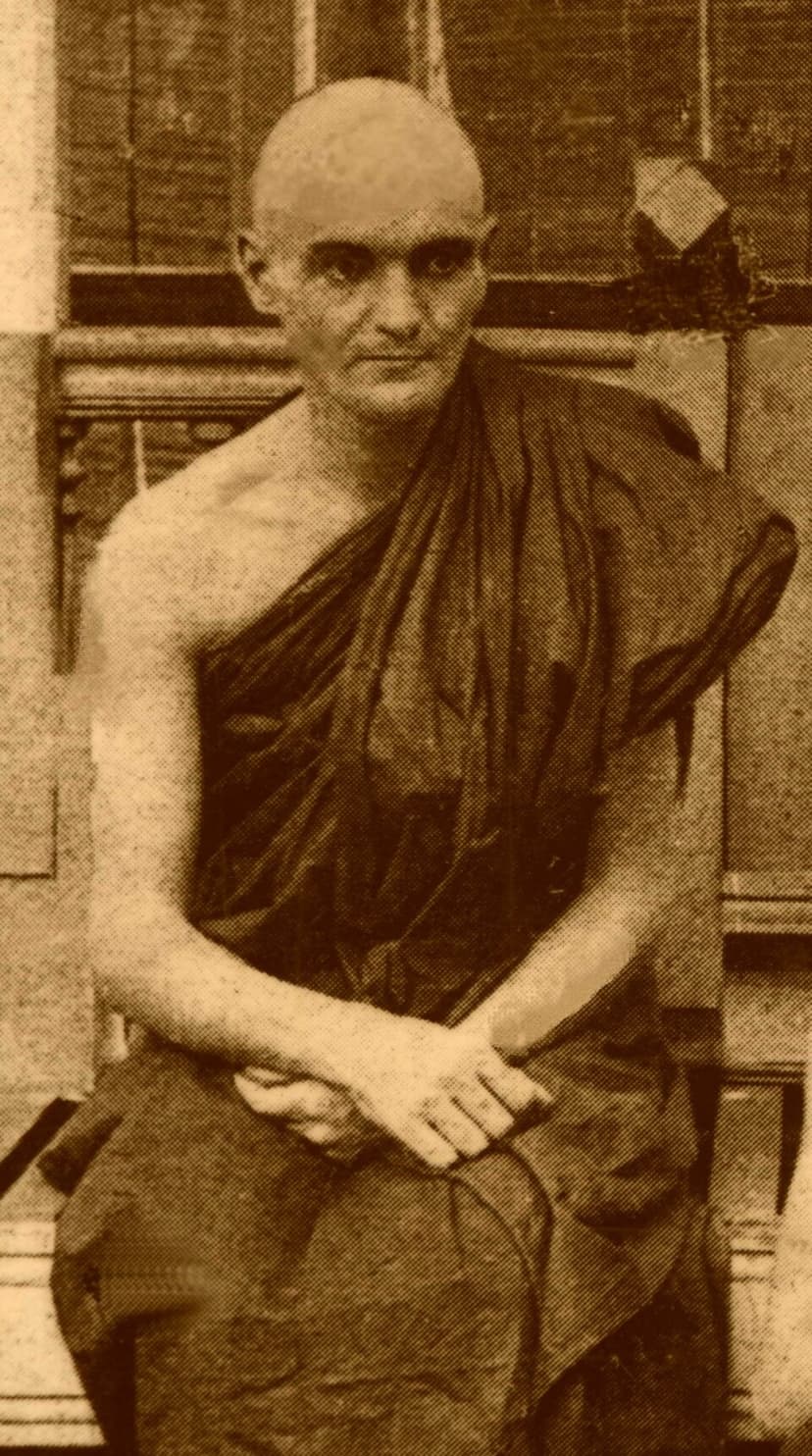
Sīlācāra
Sīlācāra Bhikkhu, born John Frederick S. Mckechnie, was a prominent early Western Buddhist monk and prolific writer. He is known for his translations and original works that emphasized the rational and scientific aspects of Buddhism, contributing significantly to the dissemination of Buddhist teachings in the West.
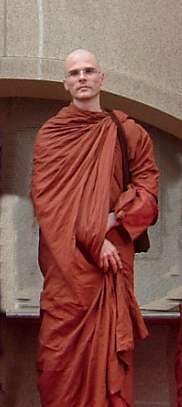
Bhikkhu Anālayo
Bhikkhu Anālayo is a contemporary Buddhist monk, scholar, and meditation teacher, born in Germany in 1962. He is renowned for his extensive comparative studies of early Buddhist texts preserved across various traditions, contributing significantly to the understanding of early Buddhist thought and practice. His work often focuses on meditation, historical developments, and textual analysis, making him a key figure in modern Buddhist scholarship.
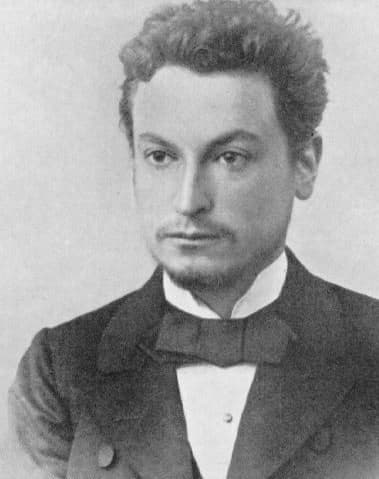
Karl Eugen Neumann
Karl Eugen Neumann was a pioneering figure in European Buddhism, primarily known for his groundbreaking translation of large portions of the Pali Canon into German. His work introduced foundational Buddhist scriptures to a Western audience and significantly contributed to the spread of Buddhist thought in Europe during the late 19th and early 20th centuries.