
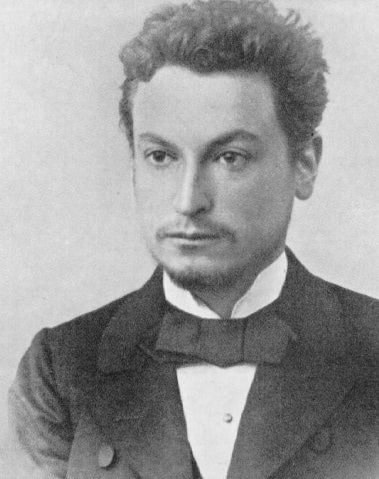
Karl Eugen Neumann
Germany·Theravada (through translation of Pali Canon)·Male·19th century
Karl Eugen Neumann was a pioneering figure in European Buddhism, primarily known for his groundbreaking translation of large portions of the Pali Canon into German. His work introduced foundational Buddhist scriptures to a Western audience and significantly contributed to the spread of Buddhist thought in Europe during the late 19th and early 20th centuries.
Key Facts
- ›First translator of significant parts of the Pali Canon from Pali into a European language (German).
- ›Pioneer of European Buddhism, deeply influenced by Arthur Schopenhauer's philosophy.
- ›Undertook travels to India and Ceylon to engage with Buddhist monks and study the original teachings.
- ›Translated key texts including the Majjhima Nikāya and Dhammapada.
- ›Faced financial difficulties later in life, losing his fortune in a bank crash.
- ›His translations are considered important pioneering work, though now viewed as outdated in some respects.
Important Relationships
- Angelo Neumann (father)
- Pauline née von Mihalovits (mother)
- Camilla née Nordmann (wife)
- Richard Pischel (Ph.D. supervisor)
- Giuseppe De Lorenzo (friend and correspondent)
- Sumangala Maha Thera (monk met in Ceylon)
- Lama Dondamdup (met in India)
- Georg Bühler (Indologist, assistant to)
- Chulalongkorn (King of Siam)
- Die Reden Gotamo Buddhos, Aus Der Mittleren Sammlung Majjhimanikayo Des Pali-Kanons
- Der Wahrheitpfad, Dhammapadam
- Die Lieder Der MöNche Und Nonnen Gotamo Buddho's
- Die Reden Gotamo Budhos, Aus Der Sammlung Der BruchstüCke Suttanipato Des Pali-Kanons
Leipzig, Berlin, Prague, Halle, Vienna, India, Ceylon
Arthur Schopenhauer
German, Pali
Translator, Scholar, Pioneer
About Karl Eugen Neumann
Karl Eugen Neumann (1865–1915)
Karl Eugen Neumann was a significant figure in the early dissemination of Buddhist texts in Europe and is recognized as a pioneer of European Buddhism. Born into a prominent family, his early life saw him enter a career in banking, but a profound encounter with the philosophy of Arthur Schopenhauer shifted his intellectual trajectory.
Early Life and Intellectual Awakening
Neumann's father, Angelo Neumann, was a tenor at the Vienna Court Opera, and his mother hailed from a Hungarian noble family. After receiving his education in Leipzig, where his father managed the City Theatre, Neumann began a banking career in Berlin. It was during this period, around 1882, that he discovered the works of Arthur Schopenhauer, which ignited his deep interest in Indian philosophical sources.
Scholarly Pursuits and Translation Work
Turning away from banking, Neumann pursued academic studies. He attended college in Prague and later returned to Berlin to study Indology, Religion, and Philosophy at the university. In 1891, he completed his doctoral thesis on a Pali text under the supervision of Richard Pischel. Neumann dedicated himself to translating the Pali Canon, the foundational scriptures of Theravada Buddhism, into German. His translations of key texts, such as the Majjhima Nikāya and the Dhammapada, were instrumental in making these teachings accessible to a Western audience.
Travels and Encounters
In 1893, Neumann fulfilled a long-held desire to visit the lands where Buddhism originated. He traveled through India and Ceylon, engaging with members of the Buddhist monastic community, including monks like Sumangala Maha Thera and Lama Dondamdup. While he praised the knowledge of some monks, he also expressed critical observations about what he perceived as deviations from the Buddha's original teachings.
Later Life and Legacy
Upon his return to Vienna in 1894, Neumann took up a post at the Oriental Institute of the University of Vienna. He continued his translation work, publishing the Majjhima Nikāya in three volumes and later the Dīgha Nikāya. His friendship and correspondence with Giuseppe De Lorenzo of Italy also played a role in spreading Buddhist ideas in that country. Neumann faced significant financial hardship later in life, losing his fortune in a bank crash in 1906. He died in poverty in 1915 and was buried in Vienna Central Cemetery. Though his translations are now considered dated in many respects, they are acknowledged as vital pioneering efforts that laid the groundwork for subsequent Buddhist scholarship and practice in the West. His grave, once neglected, has been rediscovered and is attended to by the Buddhist community in Vienna.
Source: Wikipedia ↗
Frequently Asked Questions
Who was Karl Eugen Neumann?
Karl Eugen Neumann (1865–1915) was a German scholar and translator, recognized as one of the pioneers of European Buddhism. He is most famous for being the first to translate substantial parts of the Pali Canon into German.
What is the Pali Canon?
The Pali Canon, also known as the Tipitaka, is the standard collection of scriptures in the Theravada Buddhist tradition. It contains the teachings of the Buddha and his disciples, preserved in the Pali language.
What were Neumann's most significant translations?
Neumann translated several important texts from the Pali Canon. These include the Majjhima Nikāya (Middle Length Discourses), the Dhammapada (Path of Dharma), and parts of the Suttanipata and Digha Nikaya (Long Discourses).
What inspired Karl Eugen Neumann's interest in Buddhism?
Neumann's interest was initially sparked by the works of Arthur Schopenhauer, a philosopher who was himself influenced by Indian thought. This led Neumann to explore Indian philosophical and religious sources, eventually dedicating himself to Buddhist studies.
Did Karl Eugen Neumann travel to Buddhist countries?
Yes, in 1893, after completing his translation of the Dhammapada, Neumann traveled to India and Ceylon (modern-day Sri Lanka). During his travels, he met with members of the Buddhist monastic community (sangha).
What was the reception of Neumann's work?
His translations were groundbreaking for their time, making Buddhist scriptures accessible to a European audience. While contemporary scholars view them as outdated in some aspects, they are acknowledged as significant pioneering efforts that advanced Western understanding of Buddhism.
Related Buddhists
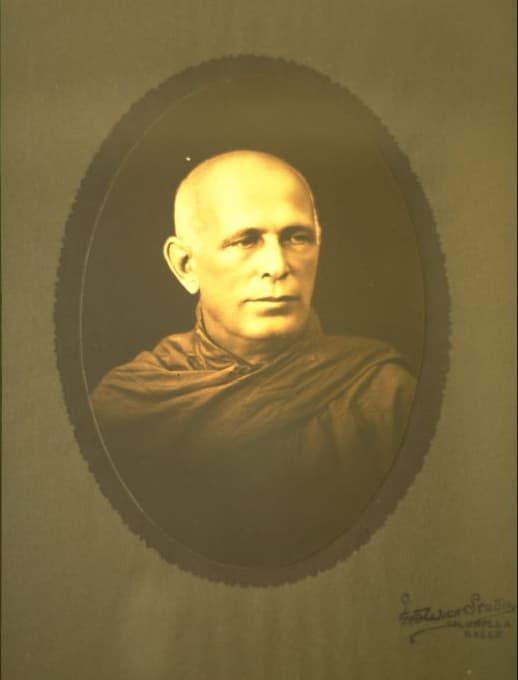
Nyānatiloka Mahāthera
Nyānatiloka Mahāthera, born Anton Walther Florus Gueth, was a pioneering German Buddhist monk and one of the earliest Westerners to become a fully ordained Bhikkhu in the Theravada tradition. He is renowned for his extensive translations of Pali scriptures into German and English, his establishment of the Island Hermitage in Sri Lanka, and his significant contributions to Buddhist scholarship and dissemination in the West.
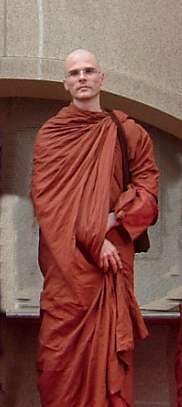
Bhikkhu Anālayo
Bhikkhu Anālayo is a contemporary Buddhist monk, scholar, and meditation teacher, born in Germany in 1962. He is renowned for his extensive comparative studies of early Buddhist texts preserved across various traditions, contributing significantly to the understanding of early Buddhist thought and practice. His work often focuses on meditation, historical developments, and textual analysis, making him a key figure in modern Buddhist scholarship.

Brigitte D'Ortschy
Brigitte D'Ortschy, also known as Koun-An Doru Chiko Roshi, was a German architect, journalist, translator, and author who became the first Zen master from Germany within the Sanbo Kyodan school. She is recognized for her rigorous Zen training under prominent Japanese masters and her extensive translations and teachings, making her a significant figure in the introduction of Zen Buddhism to the West and in Christian-Buddhist dialogue.