
Houn Jiyu-Kennett
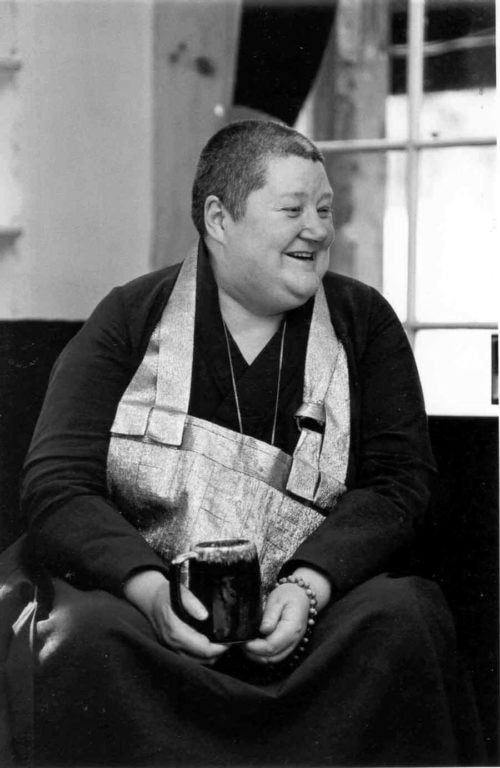
Houn Jiyu-Kennett was a British Buddhist abbess, born Peggy Teresa Nancy Kennett, recognized as the first female rōshi sanctioned by the Sōtō School of Japan to teach in Western countries. She established the Order of Buddhist Contemplatives, with chapters in the US, Canada, and Europe, and is known for adapting Zen to Western needs and for her own visionary experiences, which she documented in "How to Grow a Lotus Blossom."
Key Facts
- ›First female rōshi sanctioned by the Sōtō School of Japan to teach in Western countries.
- ›Founded the Order of Buddhist Contemplatives with international chapters.
- ›Established Shasta Abbey in California, the first Zen monastery in the us founded by a woman.
- ›Authored "how to Grow a Lotus Blossom," detailing her visionary experiences and stages of awakening.
- ›Adapted Zen teachings and practices for Western audiences, using Western cultural references.
- ›Received Dharma transmission twice, from Kōho Keidō Chisan Zenji and Suigan Yogo roshi.
Important Relationships
- Koho Keidō Chisan Zenji (teacher)
- Suigan Yogo roshi (teacher)
- Daizui Macphillamy (student, Dharma heir)
- Haryo Young (Dharma heir)
- Meian Elbert (Dharma heir)
- Daishin Morgan (Dharma heir)
- How To Grow A Lotus Blossom
- Zen Is Eternal Life
- Serene Reflection Meditation
- Selling Water By the River: A Manual of Zen Training
St Leonards-On-Sea, Sussex, England, SōJiji, Japan, San Francisco, California, Mount Shasta, California, Oakland, California, Northumberland, England
D.T. Suzuki, KōHo Keidō Chisan Zenji, Suigan Yogo Roshi, Dogen Zenji, Keizan Zenji
English
Novice Nun Vows, SōTō School Ordination
About Houn Jiyu-Kennett
Houn Jiyu-Kennett (1924-1996)
Houn Jiyu-Kennett, born Peggy Teresa Nancy Kennett, was a pioneering British Buddhist abbess and the first female rōshi sanctioned by the Sōtō School of Japan to teach in Western countries. Her life's work significantly contributed to the establishment and adaptation of Zen Buddhism in the West.
Early Life and Spiritual Awakening
Born in England in 1924, Kennett initially pursued studies in medieval music. She later became disillusioned with Christianity, particularly due to its restrictions on women's ordination, which resonated with her own questioning of societal gender roles. Her interest in Buddhism grew, initially exploring Theravada before developing a strong connection with Rinzai Zen after meeting scholar D.T. Suzuki.
Training in Japan and Dharma Transmission
In 1962, Kennett traveled to Japan to study Sōtō Zen Buddhism under Kōho Keidō Chisan Zenji at Sōjiji. She was ordained as a novice nun in the Linji Chan school and later ordained in the Sōtō school. Her primary instructor was Suigan Yogo roshi, a senior officer under Keido Zenji. Kennett received Dharma transmission twice, from both Kōho Keidō Chisan Zenji and Suigan Yogo, and was appointed "Foreign Guest Hall Master" at Sōjiji, where she developed programs for Westerners interested in Zen.
Establishing Zen in the West
Following her return to the West in 1969, Jiyu-Kennett founded the Zen Mission Society in San Francisco, which evolved into the Order of Buddhist Contemplatives. In 1970, she established Shasta Abbey in Mount Shasta, California, notable as the first Zen monastery in the United States founded by a woman. A British chapter, Throssel Hole Priory, was later established in Northumberland, England.
Teachings and Visionary Experiences
Jiyu-Kennett's teachings emphasized adapting Soto Zen to Western needs, often using Western cultural references as teaching tools. Her approach was described as having the flavor of the Church of England, with adaptations in monastic dress and liturgical forms, including setting liturgy to music based on Gregorian chants. A significant aspect of her later life was a profound religious experience, including visions and recall of past lives, which she documented in "How to Grow a Lotus Blossom." She interpreted these experiences as a "third kensho" and saw them as a valid, though potentially controversial, part of the spiritual journey.
Legacy
Houn Jiyu-Kennett's legacy is carried on through the Order of Buddhist Contemplatives, which maintains centers in North America and Europe. The organization continues its translation and publishing activities, focusing on the writings of Dogen Zenji and Keizan Zenji. She is remembered as a pivotal figure in the spread of Zen Buddhism in the West and an advocate for gender equality within Buddhist traditions.
Source: Wikipedia ↗
Frequently Asked Questions
Who was Houn Jiyu-Kennett?
Houn Jiyu-Kennett, born Peggy Teresa Nancy Kennett, was a British Buddhist abbess. She is notable for being the first woman to receive sanction from the Sōtō School of Japan to teach Zen Buddhism in Western countries.
What is Houn Jiyu-Kennett known for founding?
She founded the Zen Mission Society in San Francisco, which later became the Order of Buddhist Contemplatives. She also established Shasta Abbey in Mount Shasta, California, the first Zen monastery in the United States founded by a woman.
What were Houn Jiyu-Kennett's significant teachings or writings?
Jiyu-Kennett's teachings adapted Soto Zen for Westerners, incorporating Western sayings and music. Her book "How to Grow a Lotus Blossom" details her profound religious experiences, including visions and past-life recall, which she considered a third kensho experience.
What was Houn Jiyu-Kennett's background before becoming a Buddhist leader?
Before dedicating herself to Buddhism, she studied medieval music at Durham University and Trinity College of Music. She was initially disillusioned with Christianity due to its policies on women's ordination.
Where did Houn Jiyu-Kennett train in Zen Buddhism?
She trained in Japan at Sōjiji under the guidance of Kōho Keidō Chisan Zenji and Suigan Yogo roshi, becoming ordained in the Sōtō school.
Related Buddhists

Jack Kerouac
Jack Kerouac was an American novelist and poet, recognized as a pioneer of the Beat Generation alongside William S. Burroughs and Allen Ginsberg. He is best known for his novel "On the Road," which achieved widespread fame and cemented his status as a Beat icon. Kerouac's work explored themes of religion, mysticism, Buddhism, and life in urban America, influencing many cultural figures of the 1960s.

Shundo Aoyama
Shundo Aoyama Rōshi is a pioneering Japanese Buddhist nun and abbess within the Soto Zen school. She broke significant barriers by becoming the first nun appointed to the rank of Daikyoshi (Great Teacher) and is recognized for her extensive contributions to the advancement of women in Buddhism and Japanese society. Aoyama Rōshi is known internationally through her students and her advocacy for integrating Buddhist practice with daily life, emphasizing beauty and compassion.

Brad Warner
Brad Warner is an American Sōtō Zen teacher, author, and musician, known for his unique approach that blends punk rock ethos with Buddhist philosophy. He is recognized for his accessible writings and teachings, which aim to make Zen practice understandable for a contemporary audience.