
Shundo Aoyama
Shundo Aoyama Rōshi is a pioneering Japanese Buddhist nun and abbess within the Soto Zen school. She broke significant barriers by becoming the first nun appointed to the rank of Daikyoshi (Great Teacher) and is recognized for her extensive contributions to the advancement of women in Buddhism and Japanese society. Aoyama Rōshi is known internationally through her students and her advocacy for integrating Buddhist practice with daily life, emphasizing beauty and compassion.
Key Facts
- ›First nun appointed to the rank of Daikyoshi (Great Teacher) in the Soto Zen school.
- ›Abbess of Aichi Senmon Nisodo, a leading training center for nuns.
- ›Author of over 50 books on Zen Buddhism, tea ceremony, calligraphy, and floral arrangement.
- ›Played a pivotal role in advancing gender parity within Buddhism, particularly in Japan.
- ›Known for emphasizing the integration of Buddhist principles into daily life, including the appreciation of beauty.
- ›Received a lifetime achievement award for contributions to Japanese society and Buddhist culture.

Important Relationships
- Ananda
- Zen Seeds: Reflections of A Female Priest
- Chazen Kanwa: Chanoyu Juniwa
- Nori No Kemansho: Hokkugyo Yomikata
- Zen No Chie: Shobogenzo Zuimonki
- Tenza Kyokun
- Shufu No Tomo Sha
- Mo Hitori No Watashi E No Tabi
- Michi Haruka Naritomo
- Waga Jinsei Wo Dou Ryori Suruka
- Hannya Shinkyo Monogatari
- Shin Utsukushiki Hitoni: Zen Ni Ikiru Nisou No Kotoba
- Chazen Kanwa: Shorai Ni Kiku
- Kurenai Ni Inochi Kagayaku: Zen Ni Tersarete
- Numa Ga Arukara Hana Wa Saku
- Zen Seeds: 60 Essential Buddhist Teachings On Effort, Gratitude, and Happiness
Aichi Prefecture, Muryô-Ji, Nagoya, Shiojiri, Temple of La GendronnièRe In Valaire, France, Eiheiji
Dogen
Japanese
Ordained Nun
About Shundo Aoyama
Shundo Aoyama Rōshi
Shundo Aoyama Rōshi is a prominent Japanese Buddhist nun and abbess, widely recognized for her groundbreaking achievements within the Soto Zen school. She holds the distinction of being the first nun appointed to the esteemed rank of Daikyoshi, or Great Teacher, a significant milestone in the advancement of women's leadership in Buddhism.
Early Life and Education
Born in 1933 in Aichi Prefecture, Japan, Aoyama Rōshi entered the Muryô-ji temple at the age of five under the care of her aunt. She received a thorough religious education, and in 1948, she was ordained. Notably, she was among the first nuns to earn a Master of Arts degree from Komazawa University, the academic institution of the Soto Zen school. Her studies encompassed scriptures, rituals, meditation, and the teachings of great Zen masters.
Career and Contributions
Aoyama Rōshi's career has been marked by her dedication to teaching and spiritual leadership. She began by leading sesshin (intensive meditation periods) and instructing in traditional arts such as tea ceremony (Dhado), calligraphy (Shodo), and floral arrangement (Kado). In 1976, she became abbess of Aichi Senmon Nisodo, where she took on the crucial role of training novice nuns. By 1984, she assumed leadership at Tokubetsu in Aichi Senmon Nisodo, focusing on training specialized monastics, giving Dharma transmission, and designating her own successors.
Her efforts have been pivotal in fostering gender parity within Buddhism. She has championed the cause of women's advancement in Japanese society and the Buddhist community, ensuring the continuation of the monastic lineage for women. Aoyama Rōshi has received a lifetime achievement award for her invaluable contributions to Japanese society and Buddhist culture.
Writings and Philosophy
As an accomplished author, Aoyama Rōshi has written over 50 books covering a wide range of topics, including Zen Buddhism, tea ceremonies, and calligraphy. Her work "Zen Seeds: Reflections of a Female Priest" (1991) has been influential, and a revised edition was published in 2019. Her writings often explore the integration of Buddhist principles into everyday life, emphasizing the value of beauty, mindfulness, and compassion in daily activities and interactions. She advocates for a progressive approach, encouraging practitioners to engage with the world, share in human experiences, and be sensitive to the lives of laypeople.
International Influence
Aoyama Rōshi's influence extends internationally. She has appeared on national television, in magazines, and at international conferences, including the Sakyadhita International Conference on Buddhist Women. Her students have traveled globally to teach and perpetuate the Soto Zen tradition, contributing to the international spread of Buddhism. Her lectures in France on Dôgen's vision of Zen practice and her keynote address at the Sakyadhita conference in Mongolia highlight her global reach and engagement.
Source: Wikipedia ↗
Frequently Asked Questions
Who is Shundo Aoyama Rōshi?
Shundo Aoyama Rōshi is a Japanese Buddhist nun and abbess of the Soto Zen school. She is renowned for being the first nun to achieve the rank of Daikyoshi (Great Teacher) and for her significant work in promoting women's roles within Buddhism.
What is Shundo Aoyama Rōshi known for?
She is known for her leadership in the advancement of women in Zen Buddhism, her extensive writings on Zen practice and arts, and her role in training nuns at the Aichi Senmon Nisodo. Her international influence is also notable through her students who spread Zen teachings globally.
What is the significance of the Daikyoshi rank?
The Daikyoshi rank, meaning Great Teacher, is a high honor within the Soto Zen school. Shundo Aoyama Rōshi's attainment of this rank as the first nun marked a significant step forward for women's leadership and recognition within the tradition.
What is the Aichi Senmon Nisodo?
Aichi Senmon Nisodo is a prominent training monastery for nuns in the Soto Zen tradition, founded in 1903. Shundo Aoyama Rōshi serves as its chief priest and directs its leading training program, which has become a model for Zen training for women.
What are some of Shundo Aoyama Rōshi's notable works?
She has authored over 50 books. Some well-known titles include "Zen Seeds: Reflections of a Female Priest," "Chazen Kanwa: Chanoyu juniwa (Quiet Talks on Zen Tea)," and "Nori no kemansho: Hokkugyo yomikata (Flower Garlands of the Dharma)."
How has Shundo Aoyama Rōshi influenced Buddhism?
Aoyama Rōshi has been instrumental in challenging traditional gender roles in Buddhism, advocating for women's equal participation and leadership. Her progressive approach encourages nuns to engage with the world and emphasizes the importance of beauty and compassion in everyday life.
Related Buddhists
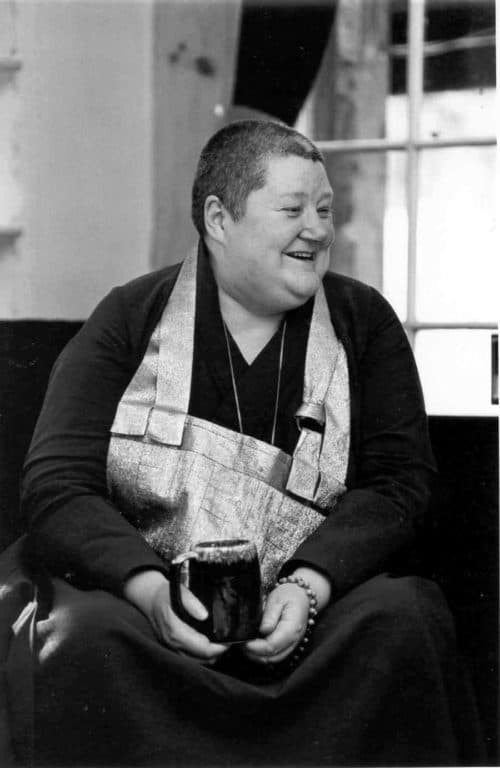
Houn Jiyu-Kennett
Houn Jiyu-Kennett was a British Buddhist abbess, born Peggy Teresa Nancy Kennett, recognized as the first female rōshi sanctioned by the Sōtō School of Japan to teach in Western countries. She established the Order of Buddhist Contemplatives, with chapters in the US, Canada, and Europe, and is known for adapting Zen to Western needs and for her own visionary experiences, which she documented in "How to Grow a Lotus Blossom."
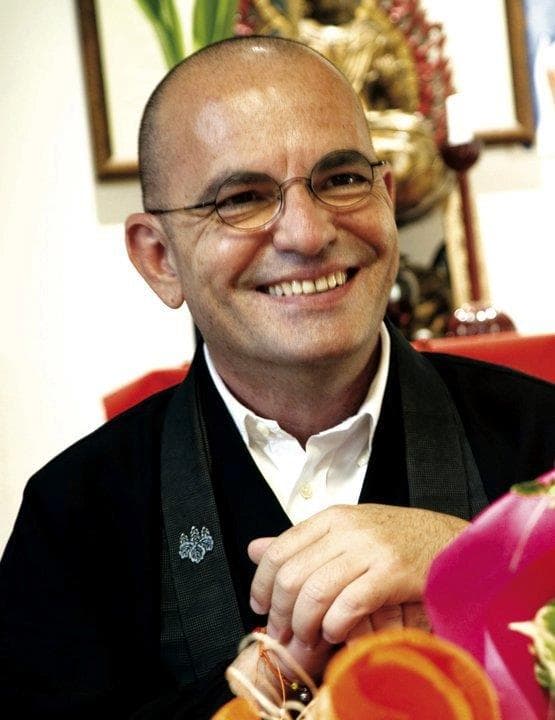
Carlo Zendo Tetsugen Serra
Carlo Zendo Tetsugen Serra is an Italian missionary Soto Zen master recognized as a Buddhist authority in Europe. He is known for founding the Sangha della foresta di Bambü, establishing monasteries in Italy, and integrating Zen Shiatsu practice into his teachings. Serra has also applied Zen principles to management and personal development, becoming a significant figure in bringing Buddhist traditions to Western society.
Gudō Wafu Nishijima
Gudō Wafu Nishijima was a Japanese Zen Buddhist priest and teacher, known for his extensive translations of Dōgen's works and his unique philosophical interpretation of the Four Noble Truths. He also authored several books on Buddhism and zazen, making Zen teachings accessible to a wider, international audience.