
Shunryū Suzuki
Shunryū Suzuki was a Sōtō Zen monk and influential teacher who played a pivotal role in introducing Zen Buddhism to the United States. He is best known for founding the Tassajara Zen Mountain Center, the first Zen Buddhist monastery outside of Asia, and the San Francisco Zen Center. His teachings, particularly those compiled in "Zen Mind, Beginner's Mind," remain highly popular and accessible.
Key Facts
- ›Founded Tassajara Zen Mountain Center, the first Zen Buddhist monastery in the Western Hemisphere.
- ›Established the San Francisco Zen Center, a prominent Zen organization in the United States.
- ›Authored "Zen Mind, Beginner's Mind," a widely read introduction to Zen practice.
- ›Born in Kanagawa Prefecture, Japan, in 1904.
- ›Ordained as a novice monk at age 13.
- ›Died in 1971, likely from cancer.

Important Relationships
- Gyokujun So-on Suzuki (teacher)
- Butsumon Sogaku Suzuki (father)
- Gempo Kitano (abbot)
- Ian Kishizawa-roshi (teacher)
- Zen Mind, Beginner's Mind
- Branching Streams Flow In the Darkness: Zen Talks On the Sandokai
- Not Always So: Practicing the True Spirit of Zen
- Zen Is Right Here
- To Shine One Corner of the World: Moments With Shunryu Suzuki
- Zen Is Right Now: More Teaching Stories and Anecdotes of Shunryu Suzuki
Kanagawa Prefecture, Japan, Tassajara Zen Mountain Center, San Francisco Zen Center, Zoun-In, Eihei-Ji, Komazawa University
Japanese
Novice Monk
About Shunryū Suzuki
Shunryū Suzuki (1904–1971) was a highly influential Sōtō Zen monk and teacher who significantly contributed to the establishment and popularization of Zen Buddhism in the United States.
Life and Historical Context
Born in Kanagawa Prefecture, Japan, Suzuki grew up in a family connected to Zen Buddhism; his father was the abbot of a local Sōtō temple. He began his monastic training at a young age, being ordained as a novice monk at age 13. Suzuki received Dharma transmission at age 22 and continued his Zen training at institutions like Eihei-ji, a major Sōtō monastery.
In his adult life, Suzuki was relatively short, standing about 4 feet 11 inches tall. His early life was marked by a disciplined monastic upbringing, including rigorous daily schedules of zazen (seated meditation) and sutra chanting. He was known for his dedication to practice and his teachers, though he was once nicknamed "Crooked Cucumber" by his teacher for his forgetful nature.
Major Contributions
Suzuki's most significant contribution was the founding of the Tassajara Zen Mountain Center in 1967 in the Ventana Mountains of California, which became the first Zen Buddhist monastery established outside of Asia. He also founded the San Francisco Zen Center, which evolved into one of the most influential Zen organizations in the United States. These institutions provided a vital foothold for Zen practice and community in the West.
His teachings were compiled into the widely read book "Zen Mind, Beginner's Mind," published in 1970. This collection of transcribed talks offers accessible insights into Zen practice, emphasizing the importance of maintaining a "beginner's mind" filled with openness and possibility. Other collections of his talks and teachings have been published posthumously, further disseminating his wisdom.
Legacy
Shunryū Suzuki's efforts laid the groundwork for the growth of Zen Buddhism in the United States. His founding of key institutions and the enduring popularity of his teachings have left a lasting impact on Buddhist practice and philosophy in the West. He is remembered as a humble yet profound teacher who guided many toward understanding the essence of Zen.
Source: Wikipedia ↗
Frequently Asked Questions
Who was Shunryū Suzuki?
Shunryū Suzuki was a Sōtō Zen monk and teacher who was instrumental in popularizing Zen Buddhism in the United States. He is recognized for establishing the first Zen Buddhist monastery outside of Asia and founding the San Francisco Zen Center.
What is Shunryū Suzuki most famous for?
Suzuki Roshi is most renowned for founding the Tassajara Zen Mountain Center, the first Zen Buddhist monastery outside of Asia, and for his book "Zen Mind, Beginner's Mind." This book is considered one of the most popular introductions to Zen in the West.
When and where was Shunryū Suzuki born?
Shunryū Suzuki was born on May 18, 1904, in Kanagawa Prefecture, which is located southwest of Tokyo, Japan.
What is the significance of the Tassajara Zen Mountain Center?
The Tassajara Zen Mountain Center holds historical significance as the first Zen Buddhist monastery established outside of Asia. It was founded by Shunryū Suzuki and remains an important center for Zen practice.
When did Shunryū Suzuki pass away?
Shunryū Suzuki died on December 4, 1971. It is presumed that his death was due to cancer.
Related Buddhists

Ajahn Chah
Ajahn Chah was a highly respected Thai Buddhist monk and a pivotal figure in the modern Thai Forest Tradition. He is renowned for his profound teachings on the Dhamma and his instrumental role in establishing Theravada Buddhism in the West through the monasteries he founded. His legacy includes a vast collection of recorded dhamma talks and a global network of students and monastic communities.
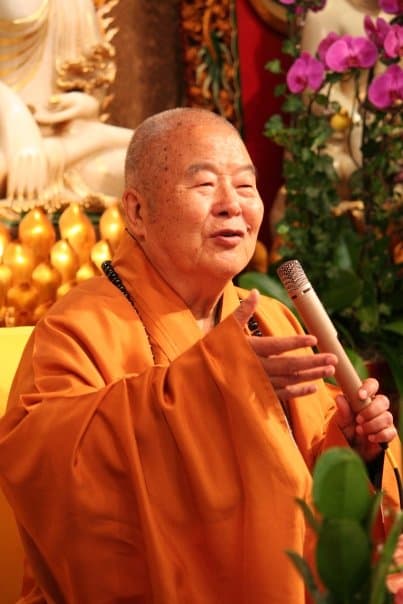
Hsing Yun
Hsing Yun was a prominent Chinese Buddhist monk, teacher, and philanthropist who founded the Fo Guang Shan monastic order and the Buddha's Light International Association. He was a leading proponent of Humanistic Buddhism and one of the most influential figures in modern Taiwanese Buddhism, known for his efforts to modernize Buddhist teachings and engage with contemporary society through various media and social welfare initiatives.
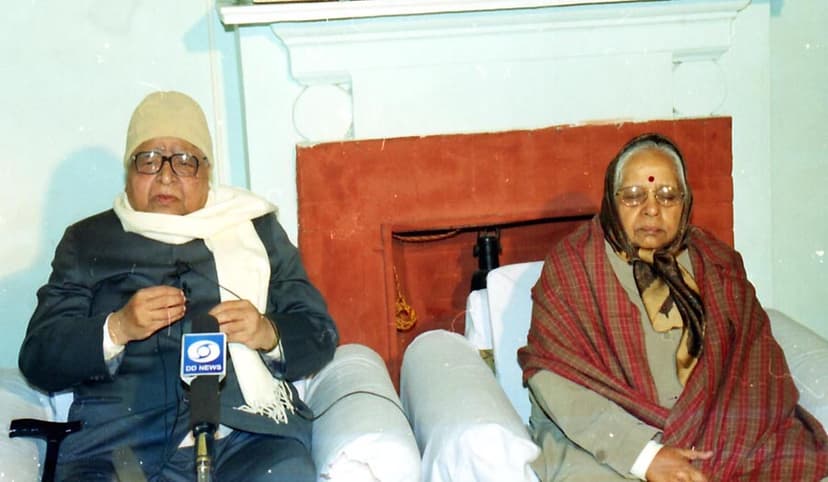
S. N. Goenka
S. N. Goenka was an influential Indian teacher of Vipassanā meditation, born in Burma to an Indian family. He learned Vipassanā from Sayagyi U Ba Khin and later moved to India to teach, establishing a global network of non-commercial meditation centers. His teachings emphasized the universal and scientific nature of Buddha's path to liberation, making Vipassanā accessible to people of all backgrounds.