
Shinjō Itō
Japan·Shingon Buddhism·Male·20th century
Shinjō Itō was the Japanese founder of Shinnyo-en, a Buddhist new religious group. He transitioned from a career as an aeronautic engineer to a religious life, training at Daigo-ji monastery and becoming a Dai-Ajari of Shingon Buddhism. Besides his role as a spiritual leader, Itō was also recognized as a Buddhist sculptor and photographer, with his works exhibited internationally.
Key Facts
- ›Founded the Buddhist new religious group Shinnyo-en in 1936.
- ›Trained at Daigo-ji monastery and became a Dai-Ajari of Shingon Buddhism.
- ›Previously worked as an aeronautic engineer before dedicating himself to religious life.
- ›Noted for his work as a Buddhist sculptor and photographer.
- ›His artistic works have been exhibited in Japan, New York City, and Los Angeles.
Important Relationships
- Shinnyo-en
Shinjo: Reflections
Yamanashi Prefecture, Daigo-Ji Monastery, New York City, Los Angeles, California
Founder, Teacher, Sculptor, Photographer
About Shinjō Itō
Shinjō Itō (1906–1989) was a pivotal figure in Japanese Buddhism, best known as the founder of Shinnyo-en, a new religious movement with Buddhist roots. Born in Yamanashi Prefecture, Itō initially pursued a career as an aeronautic engineer before dedicating his life to spiritual pursuits.
Religious Training and Founding Shinnyo-en
Itō underwent significant religious training at the Daigo-ji monastery, where he achieved the title of Dai-Ajari within Shingon Buddhism. In 1936, he established Shinnyo-en, a spiritual organization that would grow to have a considerable following. His teachings and leadership guided the development of this new Buddhist tradition.
Artistic Contributions
Beyond his role as a spiritual leader and teacher, Shinjō Itō was also recognized for his talents as a Buddhist sculptor and photographer. His artistic endeavors were not confined to personal practice; they were showcased in exhibitions across Japan and internationally. Notably, a Centennial Exhibition celebrating his work was held in Japan in 2006, and major exhibits took place at the Milk Gallery in New York City and the Westwood Art Forum in Los Angeles in 2008, highlighting the visual dimension of his spiritual legacy.
Source: Wikipedia ↗
Frequently Asked Questions
Who was Shinjō Itō?
Shinjō Itō was the founder of Shinnyo-en, a Buddhist new religious group. He was also recognized as a Buddhist sculptor and photographer.
What is Shinnyo-en?
Shinnyo-en is a Buddhist new religious group founded by Shinjō Itō in 1936.
What was Shinjō Itō's background before becoming a religious leader?
Before dedicating himself to religious life, Shinjō Itō had a career as an aeronautic engineer.
Where did Shinjō Itō train as a Buddhist?
Shinjō Itō trained at the Daigo-ji monastery, where he became a Dai-Ajari of Shingon Buddhism.
What kind of artistic work is Shinjō Itō known for?
Shinjō Itō was known as a Buddhist sculptor and photographer. His artistic works have been exhibited in various locations, including Japan and New York City.
Related Buddhists
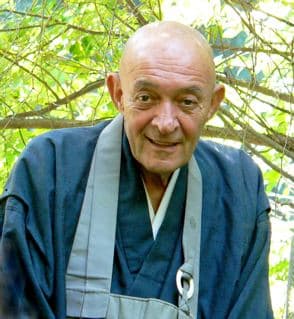
John Daido Loori
John Daido Loori was a prominent Zen Buddhist rōshi, abbot of Zen Mountain Monastery, and founder of the Mountains and Rivers Order. He is recognized for his extensive teachings, authored works, and significant contributions to Zen Buddhism in the United States, bridging both Soto and Rinzai lineages. Loori was also an accomplished photographer and naturalist.

Matthieu Ricard
Matthieu Ricard is a Nepalese French writer, photographer, translator, and Buddhist monk residing at Shechen Tennyi Dargyeling Monastery in Nepal. He is known for his work bridging science and Buddhism, particularly his research on meditation and the brain, and for his extensive humanitarian efforts in the Himalayas. Ricard has also gained recognition for his writings on happiness and compassion, and serves as a French interpreter for the 14th Dalai Lama.
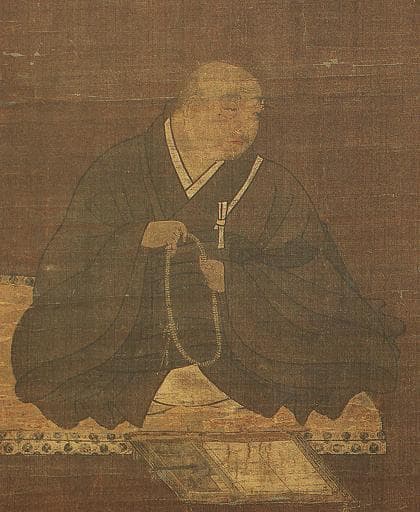
Hōnen
Hōnen was a Japanese Buddhist monk and the founder of Jōdo-shū, the first independent branch of Japanese Pure Land Buddhism. Dissatisfied with the exclusivity of existing Buddhist practices, he advocated for the universal salvation of all people through the simple recitation of "Namo Amida Butsu" (nembutsu). His teachings, emphasizing faith in Amitābha Buddha's vow, gained widespread popularity among laypeople and significantly influenced Kamakura period Buddhism.