
Sesson Yūbai
Sesson Yūbai was a Japanese Zen Buddhist monk of the Rinzai sect, active in the 14th century. He is renowned as "the first important poet of the Five Mountains" and is particularly known for his poetry, much of which was composed during or about his imprisonment in China. His work and influence extended to Japan, where he founded several significant temple-monasteries.
Key Facts
- ›A prominent Japanese Zen Buddhist monk of the Rinzai sect.
- ›Considered the "first important poet of the five Mountains."
- ›Spent over twenty years in China, where he studied with various masters and was imprisoned.
- ›Authored many poems reflecting his experiences, especially during his imprisonment in Chang'an.
- ›Founded several provincial Buddhist temple-monasteries in Japan, including Hōun-ji and Hōrin-ji.
- ›His followers included members of the influential Akamatsu clan.
Important Relationships
- Issan Ichinei
- Akamatsu clan
- Akamatsu Norimura
- Akamatsu Norisuke
Bingatshū
Chang'An, Harima, HyōGo
Monk
About Sesson Yūbai
Sesson Yūbai (1290–1347) was a significant figure in Japanese Zen Buddhism, belonging to the Rinzai sect. He is widely recognized for his contributions to poetry, earning him the title "the first important poet of the Five Mountains." His life and work spanned both China and Japan, leaving a notable legacy in literature and religious institutions.
Life and Historical Context
Sesson Yūbai spent over two decades in China, from 1307 to 1329, where he pursued his Zen studies under various masters, including Issan Ichinei. During this period, he experienced persecution and was imprisoned in Chang'an. Many of the poems attributed to Sesson Yūbai were created during or inspired by this challenging time in China, and these verses form the core of his poetic reputation.
Upon returning to Japan, Sesson Yūbai, with the patronage of the Akamatsu clan, established several important provincial Buddhist temple-monasteries. Among these were Hōun-ji and Hōrin-ji, located in Harima, Hyōgo. Some of these institutions were later acknowledged by the Muromachi shogunate. Prominent disciples of Sesson Yūbai included Akamatsu Norimura and his son Akamatsu Norisuke.
Source: Wikipedia ↗
Frequently Asked Questions
Who was Sesson Yūbai?
Sesson Yūbai was a Japanese Zen Buddhist monk belonging to the Rinzai sect. He was also a significant poet, recognized as the "first important poet of the Five Mountains."
What is Sesson Yūbai known for?
He is primarily known for his poetry, especially verses composed during his imprisonment in China. He also played a role in establishing Buddhist temples in Japan.
Where did Sesson Yūbai spend most of his life?
Sesson Yūbai spent over twenty years of his life in China, from 1307 to 1329. He also lived and worked in Japan, where he founded several monasteries.
What significant events occurred in Sesson Yūbai's life in China?
In China, Sesson Yūbai studied Linji Ch'an under various masters and experienced a period of persecution, during which he was imprisoned in Chang'an. Many of his surviving poems originate from this time.
What role did Sesson Yūbai play in Japan?
With the support of the Akamatsu clan, Sesson Yūbai founded several provincial Buddhist temple-monasteries in Japan, such as Hōun-ji and Hōrin-ji. Some of these were recognized by the Muromachi shogunate.
Related Buddhists
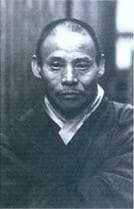
Han Yong-un
Han Yong-un, also known by his art name Manhae, was a prominent 20th-century Korean Buddhist reformer, poet, and independence activist. He advocated for the modernization of Korean Buddhism and played a significant role in the Korean independence movement against Japanese colonial rule. His poetry often intertwined themes of nationalism and love, becoming a powerful voice for Korean identity and resistance.
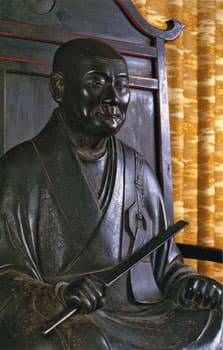
Jakushitsu Genkō
Jakushitsu Genkō was a significant Japanese Rinzai Zen master, poet, and musician, renowned for his exceptional Zen poetry. He studied Ch'an Buddhism in China and later returned to Japan, eventually becoming the first abbot of Eigen-ji, a temple built specifically for him to teach Zen.
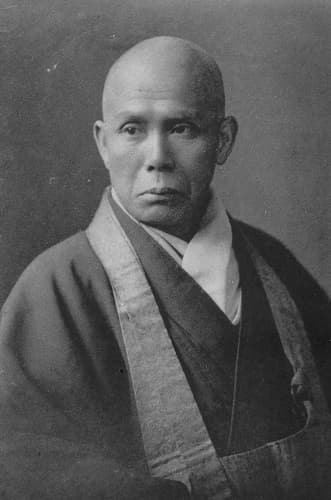
Soyen Shaku
Soyen Shaku was the first Zen Buddhist master to teach in the United States, belonging to the Rinzai school. He served as abbot of prominent temples in Kamakura, Japan, and played a significant role in introducing Zen Buddhism to a Western audience through his participation in the World Parliament of Religions and subsequent lectures in America. His teachings emphasized equanimity and the overcoming of inner demons, influencing figures like D. T. Suzuki.