
S. Mahinda
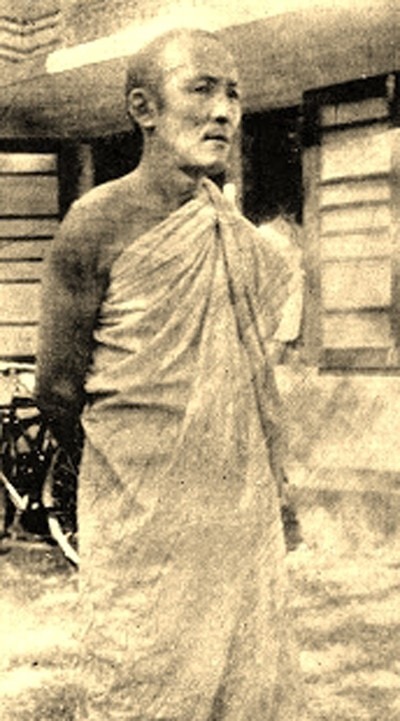
S. Mahinda Thera was a Buddhist monk and poet from Sikkim who became a significant figure in the Sri Lankan independence movement. After arriving in Ceylon at a young age, he mastered the Sinhala language and authored over 40 books, primarily poems that inspired patriotism and urged Sinhalese people to fight for their freedom. He is now recognized as a national hero of Sri Lanka and one of its most celebrated poets.
Key Facts
- ›Born around 1901 in Sikkim, his birth name was Pempa Tendupi Serky Cherin.
- ›Arrived in Ceylon (now Sri Lanka) in 1912 or 1914 to study Buddhism, initially accompanied by his brother.
- ›Became fluent in Sinhala and wrote over 40 books, many of which were patriotic poems.
- ›His literary works inspired the Sri Lankan independence movement.
- ›Served as a teacher at Nalanda College, Colombo from 1934 to 1936.
- ›Died on March 16, 1951, and is considered a national hero of Sri Lanka.
Important Relationships
- Dodanduwa Sri Piyaratana Tissa Mahanayake Thera
Ova Muthu Dama, Sri Pada, Nidahase Dehena, Nidahase Manthraya, Lanka Matha, Jathika Thotilla, Ada Lak Mawage Puttu, Nidahasa, Videshikayakugen Lak Mawata Namaskarayak, Sinhala Jathiya
Sikkim, Gangtok, Ceylon, Island Hermitage, Polgasduwa, Nalanda College, Colombo
Nyanatiloka
Sinhala
Bhikkhu
National Hero, Legendary Figure
About S. Mahinda
S. Mahinda Thera
S. Mahinda Thera, born Pempa Tendupi Serky Cherin around 1901 in Sikkim, was a prominent Buddhist monk, poet, and author who became a significant figure in Sri Lanka's struggle for independence. Although he originated from Sikkim, he later identified as Tibetan, a designation he adopted due to Tibet's greater recognition in Ceylon (now Sri Lanka) as a leading Buddhist nation.
Life and Historical Context
S. Mahinda Thera arrived in Ceylon in 1912 or 1914, receiving a scholarship to study Buddhism. He was ordained as a Buddhist monk and studied under German monk Nyanatiloka at the Island Hermitage. He furthered his education, learning the Sinhala and Pali languages, and also studied English at Maradana Mahabodhi Vidyalaya. During World War I, his mentor was arrested, and S. Mahinda Thera himself was interned twice. He was ordained into the Amarapura Nikaya as Sikkim Mahinda and later re-ordained into the Siyamopali Nikaya in 1930.
Literary Work and Nationalism
Upon mastering the Sinhala language, S. Mahinda Thera established himself as a prolific poet and author, penning over 40 books, many of which were patriotic poems. His writings, such as "Nidahase Dehena" and "Lanka Matha," focused on the past glories of Sri Lanka and urged its people towards freedom. These works deeply inspired the Sri Lankan independence movement. He also contributed children's literature, aiming to instill patriotism in young readers. After Sri Lanka gained independence in 1948, his contributions were recognized, and he is now considered a national hero and one of the greatest Sinhalese poetry figures.
Later Life and Death
S. Mahinda Thera also served as a teacher at Nalanda College, Colombo, from 1934 to 1936. He passed away on March 16, 1951.
Notable Works
Key literary contributions include "Ova Muthu Dama" (his first book), "Sri Pada" (his believed final book), "Nidahase Dehena," "Nidahase Manthraya," "Lanka Matha," "Jathika Thotilla," "Ada Lak Mawage Puttu," "Nidahasa," "Videshikayakugen Lak Mawata Namaskarayak," and "Sinhala Jathiya."
Source: Wikipedia ↗
Frequently Asked Questions
Where was S. Mahinda Thera from?
S. Mahinda Thera was originally from Sikkim, a former country in the Himalayas. Although he hailed from Sikkim, he identified himself as Tibetan while in Ceylon (now Sri Lanka).
What was S. Mahinda Thera known for?
He was renowned as a poet and author who wrote over 40 books, primarily inspiring poems that fostered patriotism among the Sinhalese people. His writings played a role in motivating the Sri Lankan independence movement.
When did S. Mahinda Thera come to Sri Lanka?
S. Mahinda Thera arrived in Ceylon (now Sri Lanka) at a young age, either in 1912 or 1914, to study Buddhism.
What was S. Mahinda Thera's role in the Sri Lankan independence movement?
He was a key figure due to his literary contributions. His poems and writings inspired patriotism and encouraged the Sinhalese people to strive for their freedom, leading to his recognition as a national hero after independence.
What languages did S. Mahinda Thera learn?
S. Mahinda Thera became fluent in the Sinhala language. He also learned the Pali language during his studies in Ceylon.
Related Buddhists
Kotugoda Dhammawasa Mahanayaka Thero
Agga Maha Pandita Kotugoda Dhammawasa Mahanayaka Thero was an eminent Sri Lankan Buddhist monk and the supreme Mahanayaka of the Sri Lanka Amarapura Nikaya. He was known for his extensive writings on Buddhism and his missionary work in Asia and the West. His leadership within the Amarapura Nikaya spanned several decades, culminating in his appointment as its supreme head.

Kūkai
Kūkai was a pivotal Japanese Buddhist monk, calligrapher, and poet who founded the esoteric Shingon school of Buddhism. He traveled to Tang China, where he studied under Huiguo and became a master of Chinese Vajrayana Buddhism. Upon his return to Japan, Kūkai established Shingon, deeply influencing Japanese religious and cultural life, and is revered as a bodhisattva.
Ryōkan
Ryōkan was a Sōtō Zen Buddhist monk and hermit known for his poetry and calligraphy, which embodied the essence of Zen life. Despite his unconventional approach, he was deeply admired for his simplicity, humor, and compassion. His life and teachings continue to inspire those interested in Zen philosophy and practice.