
Robert Baker Aitken
United States·Harada-Yasutani lineage Zen·Male·20th century
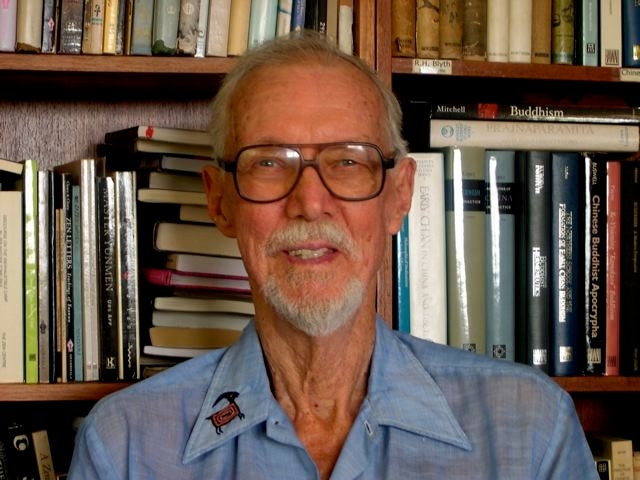
Robert Baker Aitken Rōshi was a prominent Zen teacher in the Harada-Yasutani lineage and a co-founder of the Honolulu Diamond Sangha. He was a dedicated advocate for social justice, supporting causes for homosexuals, women, and Native Hawaiians, and was instrumental in establishing the Buddhist Peace Fellowship. Aitken's teachings made traditional Zen practices accessible to lay practitioners.
Key Facts
- ›Co-founded the Honolulu Diamond Sangha in 1959 with his wife, Anne Hopkins Aitken.
- ›Received Dharma transmission from Koun Yamada in 1985 but chose to remain a layperson.
- ›Was a vocal socialist and anarchist, advocating for social justice and peace.
- ›Played a foundational role in the Buddhist Peace Fellowship, emphasizing conflict resolution.
- ›Authored numerous books on Zen Buddhism, haiku, and ethics, making Zen accessible to Western students.
- ›His teachings were influenced by his experiences in internment camps and his studies with Zen masters in Japan.
Important Relationships
- Anne Hopkins Aitken (wife)
- Honolulu Diamond Sangha
- Buddhist Peace Fellowship
- Zen Training. A Personal Account
- A Buddhist Reader
- A Zen Wave: Basho's Haiku and Zen
- Taking the Path of Zen
- the Mind of Clover: Essays In Zen Buddhist Ethics
- the Gateless Barrier: the Wu-Menkuan
- the Dragon Who Never Sleeps: Verses For Zen Buddhist Practice
- Encouraging Words: Zen Buddhist Teachings For Western Students
- the Ground We Share: Everyday Practice. Buddhist and Christian
- the Practice of Perfection: the Paramitas From A Zen Buddhist Perspective
- Original Dwelling Place: Zen Buddhist Essays
- Zen Master Raven: Sayings and Doings of A Wise Bird
- A Zen Master
Philadelphia, Pennsylvania, Hawaii, Guam, Kobe, Japan, Los Angeles, California, Kamakura, Japan, Honolulu, Hawaii, Maui, Hawaii, Haiku-Pauwela, Maui
Koun Yamada, Hakuun Yasutani, Soen Nakagawa, Nyogen Senzaki, R.H. Blyth
English
About Robert Baker Aitken
Robert Baker Aitken Rōshi
Robert Baker Aitken Rōshi (1917–2010) was an influential Zen teacher and a significant figure in the development of Buddhism in the West. He is widely recognized for his role in co-founding the Honolulu Diamond Sangha in 1959 with his wife, Anne Hopkins Aitken, an organization dedicated to making traditional Zen practices accessible to lay practitioners.
Life and Historical Context
Born in Philadelphia, Pennsylvania, Aitken was raised in Hawaii from the age of five. His life took a profound turn during World War II when he was detained in Japanese internment camps. It was during this period that he encountered R.H. Blyth's "Zen in English Literature and the Oriental Classics," which ignited his lifelong interest in Zen Buddhism. After the war, he pursued higher education in English literature and Japanese at the University of Hawaii. His early adult life was marked by a strong commitment to leftist social causes, including pacifism and labor rights, which led to him being investigated by the FBI.
Zen Practice and Teaching
Aitken returned to Japan in 1950 to study Zen, participating in sesshin at Engaku-ji and later studying under Soen Nakagawa and Hakuun Yasutani. In 1974, he received permission to teach from Koun Yamada, and in 1985, he received full Dharma transmission. Despite this, Aitken chose to live as a layperson. He co-founded the Honolulu Diamond Sangha, which has since established affiliate Zen centers across South America, Australia, New Zealand, the United States, and Europe.
Social Activism and Legacy
Beyond his spiritual work, Robert Aitken was a dedicated social activist. He advocated for social justice for homosexuals, women, and Native Hawaiians, and was a strong opponent of war and nuclear proliferation. He was instrumental in founding the Buddhist Peace Fellowship in 1978, an organization focused on global conflict resolution. Aitken authored numerous books on Zen Buddhism, haiku, and ethics, including "Zen Training," "Taking the Path of Zen," and "The Mind of Clover: Essays in Zen Buddhist Ethics," which have been widely read and translated, making Zen teachings accessible to a broad audience.
Notable Works
- Zen Training. A Personal Account (1960)
- A Zen Wave: Basho's Haiku and Zen (1978)
- Taking the Path of Zen (1982)
- The Mind of Clover: Essays in Zen Buddhist Ethics (1984)
- The Gateless Barrier: The Wu-menkuan (Mumonkan) (1990)
- The Dragon who Never Sleeps: Verses for Zen Buddhist Practice (1992)
- Encouraging Words: Zen Buddhist Teachings for Western Students (1993)
- The Practice of Perfection: The Paramitas from a Zen Buddhist Perspective (1994)
- Original Dwelling Place: Zen Buddhist Essays (1996)
- Zen Master Raven: Sayings and Doings of a Wise Bird (2002)
Robert Aitken retired in 1996 and spent his final years in Palolo, Hawaii. He passed away in Honolulu on August 5, 2010, after a brief illness. His work continues to influence Zen practice and engaged Buddhism in the West.
Source: Wikipedia ↗
Frequently Asked Questions
Who was Robert Baker Aitken?
Robert Baker Aitken was a Zen teacher in the Harada-Yasutani lineage and a co-founder of the Honolulu Diamond Sangha. He was known for his accessible teachings that made traditional Zen practices available to lay practitioners.
What social justice issues did Robert Aitken advocate for?
Aitken was a lifelong advocate for social justice, campaigning for the rights of homosexuals, women, and Native Hawaiians. He was also a vocal critic of war and the nuclear arms race, and an early proponent of deep ecology.
What is the significance of the Diamond Sangha?
The Diamond Sangha, co-founded by Robert Aitken and his wife Anne, is a Zen Buddhist organization known for making the rigorous practices of traditional Zen accessible to lay practitioners. It has affiliate centers internationally.
What role did Robert Aitken play in the Buddhist Peace Fellowship?
Aitken was one of the original founders of the Buddhist Peace Fellowship and was a primary influence on its mission of advocating for global conflict resolution. He was a guest speaker at its first two institutes.
What were some of Robert Aitken's notable works?
Robert Aitken authored many books on Zen Buddhism, including 'Zen Training,' 'Taking the Path of Zen,' 'The Mind of Clover: Essays in Zen Buddhist Ethics,' and 'The Gateless Barrier: The Wu-menkuan (Mumonkan)'.
How did Robert Aitken's wartime experiences influence him?
During World War II, Aitken was held in Japanese internment camps. There, he encountered R.H. Blyth's book 'Zen in English Literature and the Oriental Classics,' which sparked his deep interest in Zen Buddhism and influenced his later philosophical and spiritual path.
Related Buddhists
Jack Kornfield
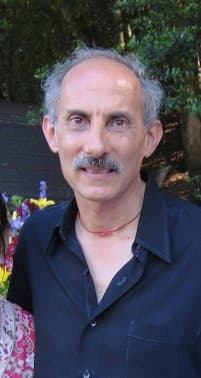
Jack Kornfield is a prominent American psychologist, writer, and teacher within the Vipassana movement of American Theravada Buddhism. After training as a Buddhist monk in Southeast Asia, he became a key figure in bringing mindfulness meditation to the West, co-founding influential meditation centers. He is known for bridging Eastern and Western psychology in his teachings and writings.
Joanna Rogers Macy
Joanna Macy was an American environmental activist, author, and scholar renowned for her work integrating Buddhist philosophy, general systems theory, and deep ecology. She developed "The Work that Reconnects," a framework and workshop methodology for personal and social change, addressing psychological and spiritual issues in the face of ecological crises. Her influential book, "Coming Back to Life," guides individuals and communities toward sustainable transformation.

Allen Ginsberg
Allen Ginsberg was a prominent American poet and writer, best known as a central figure of the Beat Generation. He was a vocal critic of militarism, materialism, and sexual repression, and he explored themes of Eastern religions, drugs, and counterculture in his work. His most famous poem, "Howl," led to an influential obscenity trial that defended freedom of speech.