
Joanna Rogers Macy
United States·Deep Ecology, Buddhism·Female
Joanna Macy was an American environmental activist, author, and scholar renowned for her work integrating Buddhist philosophy, general systems theory, and deep ecology. She developed "The Work that Reconnects," a framework and workshop methodology for personal and social change, addressing psychological and spiritual issues in the face of ecological crises. Her influential book, "Coming Back to Life," guides individuals and communities toward sustainable transformation.
Key Facts
- ›American environmental activist, author, and scholar of Buddhism, general systems theory, and deep ecology.
- ›Developed "the Work that Reconnects," a workshop methodology for personal and social change.
- ›Her doctoral work focused on the convergence of systems thinking and Buddhist interdependent co-arising.
- ›An international spokesperson for anti-nuclear causes, peace, justice, and environmentalism.
- ›Authored numerous books, including "Coming Back to Life" and "Mutual Causality in Buddhism and General Systems Theory."
- ›Encountered Buddhism while working with Tibetan refugees in India in 1965.
Important Relationships
- Francis Underhill Macy (husband)
- Muriel Rukeyser (influence)
- Ervin László (dissertation advisor)
- Arne Naess (influence)
- John Seed (influence)
- Coming Back To Life: Practices To Reconnect Our Lives, Our World and the Great Turning
- Mutual Causality In Buddhism and General Systems Theory: the Dharma of Natural System
- Active Hope: How To Face the Mess We'Re In Without Going Crazy
- Despair and Personal Power In the Nuclear Age
- World As Lover, World As Self
Los Angeles, New York City, San Francisco Bay Area, Berkeley, California
Muriel Rukeyser, Ervin LáSzló, Gregory Bateson, Ludwig Von Bertalanffy, Arthur Koestler, Hazel Henderson, Tyrone Cashman, Kenneth Boulding, Donella Meadows, Elisabet Sahtouris, Arne Naess, John Seed, Nyanaponika Thera, Rev. Siali, Munindraji, Dhiravamsa, 8th Khamtrul Rinpoche, Sister Karma Khechog Palmo, Dugu Choegyal Rinpoche, Tokden Antrim
English
About Joanna Rogers Macy
Joanna Macy
Joanna Macy was a prominent American environmental activist, author, and scholar whose work synthesized Buddhist philosophy, general systems theory, and deep ecology. Born Mary Joanne Rogers in Los Angeles on May 2, 1929, she spent her formative years in New York City. Macy found inspiration in poet Muriel Rukeyser, who encouraged her early path as a writer.
Life and Career
Macy graduated from Wellesley College in 1950 and earned a Ph.D. in religious studies from Syracuse University in 1978. Her doctoral research, guided by Ervin Laszlo, explored the intersections between systems thinking and the Buddhist concept of interdependent co-arising. In 1953, she married Francis Macy, an activist and Russian scholar; the couple had three children.
Throughout her career, Macy was a vocal international spokesperson for peace, justice, environmentalism, and anti-nuclear causes. She gained significant recognition for her book "Coming Back to Life: Practices to Reconnect Our Lives, Our World and the Great Turning," which outlines her vision for transforming industrial growth societies into sustainable civilizations. She developed a unique theoretical framework and workshop methodology, known as "The Work that Reconnects," addressing psychological and spiritual dimensions of ecological and social change.
In the early 1980s, Macy and her family relocated to the San Francisco Bay Area. She passed away in Berkeley, California, on July 19, 2025, at the age of 96, following complications from a fall.
Key Influences and Work
Macy's engagement with Buddhism began in 1965 through her work with Tibetan refugees in India. Her spiritual practice was informed by the Theravada tradition, drawing from figures such as Nyanaponika Thera and Munindraji. Critically, her understanding of living systems theory was shaped by Ervin Laszlo, Gregory Bateson, and other scholars in the field. Her work, initially termed "Despair and Empowerment Work," became known as "The Work that Reconnects" after she engaged with the deep ecology movement. She held affiliations with graduate schools in the San Francisco Bay Area, including the Starr King School for the Ministry and the California Institute of Integral Studies.
Writings
Macy authored a substantial body of work, including "Mutual Causality in Buddhism and General Systems Theory" (1991), "World as Lover, World as Self" (1991), and "Active Hope: How to Face the Mess We're In Without Going Crazy" (2012), co-authored with Chris Johnstone. Her memoir, "Widening Circles," was published in 2001. Her writings have been instrumental in encouraging a more profound connection with the natural world and fostering resilience in the face of global challenges.
Source: Wikipedia ↗
Frequently Asked Questions
Who was Joanna Macy?
Joanna Macy was an American environmental activist, author, and scholar who bridged Buddhist philosophy, general systems theory, and deep ecology. She is widely recognized for her work on personal and social transformation in response to ecological crises.
What is "The Work that Reconnects"?
"The Work that Reconnects" is a theoretical framework and workshop methodology created by Joanna Macy. It aims to help individuals and communities address psychological and spiritual issues arising from the ecological crisis, fostering a sense of empowerment and connection to life.
What are some of Joanna Macy's notable books?
Notable books by Joanna Macy include "Coming Back to Life: Practices to Reconnect Our Lives, Our World and the Great Turning," "Mutual Causality in Buddhism and General Systems Theory: The Dharma of Natural System," and "Active Hope: How to Face the Mess We're In Without Going Crazy."
How did Joanna Macy become involved with Buddhism?
Joanna Macy first encountered Buddhism in 1965 while working with Tibetan refugees in northern India. This experience significantly influenced her spiritual practice and scholarly work.
What academic fields did Joanna Macy's work draw from?
Joanna Macy's work integrated Buddhist philosophy, general systems theory, and deep ecology. Her doctoral research specifically explored convergences between systems thinking and the Buddhist doctrine of mutual causality.
Related Buddhists

Chandrashekhar Azad Ravan
Chandrashekhar Azad Ravan is an Indian politician, social activist, Ambedkarite, and lawyer. He is the chief and co-founder of the Bhim Army and the National President of the Aazad Samaj Party (Kanshi Ram). In 2024, he was elected as a Member of Parliament to the 18th Lok Sabha from Nagina, and in 2021, Time magazine recognized him as one of the 100 Emerging Leaders shaping the future.
Ajahn Pasanno
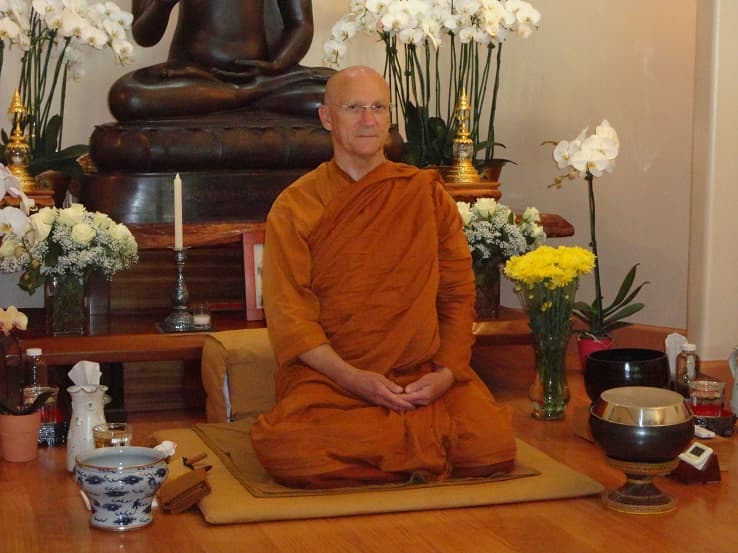
Ajahn Pasanno is a highly respected Western Buddhist monk and disciple of Ajahn Chah, known for his extensive service as abbot of Wat Pah Nanachat International Forest Monastery in Thailand and later Abhayagiri Monastery in California. He has been instrumental in training monks and supporting monastic traditions in both countries, receiving significant Thai honorific titles for his contributions.
Kumārajīva
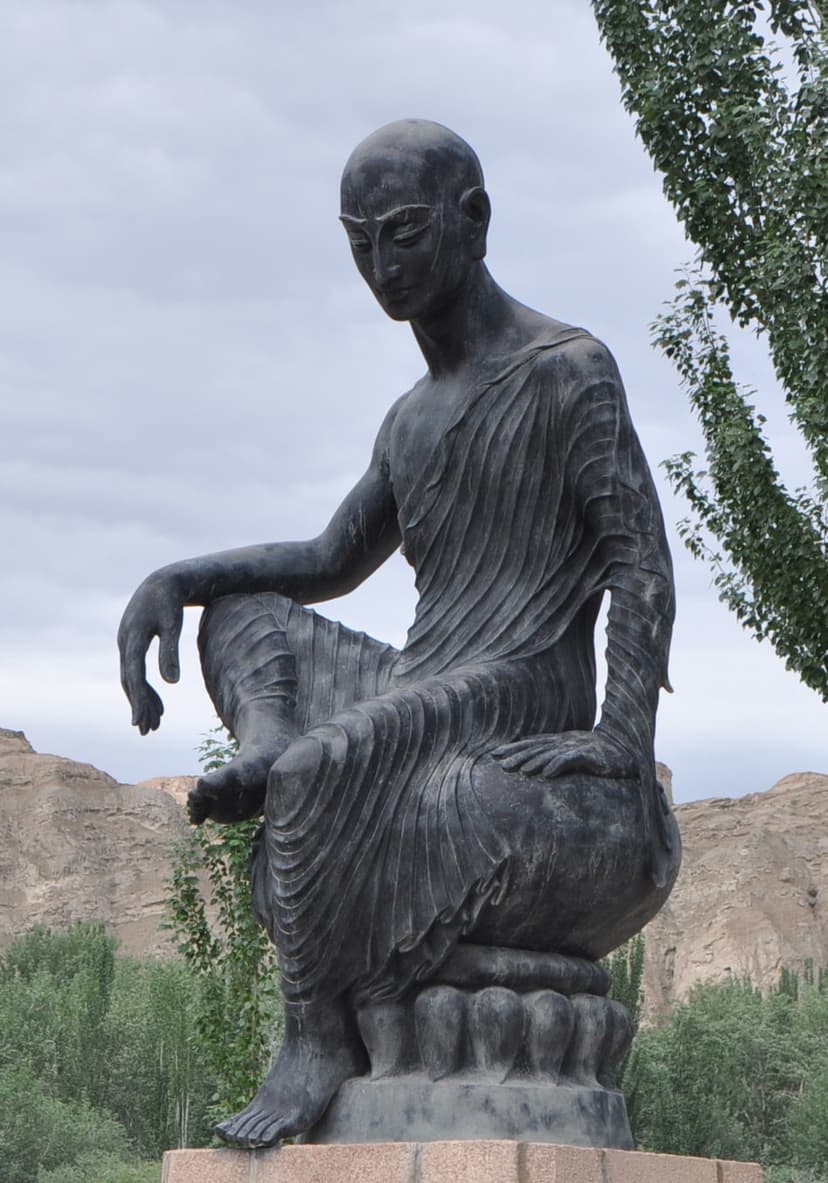
Kumārajīva was a pivotal 4th and 5th-century Buddhist monk, scholar, missionary, and translator from Kucha, known for his highly influential translations of Sanskrit Buddhist texts into Chinese. He is credited with introducing the Madhyamaka philosophy to China and his clear, meaning-focused translation style revolutionized Chinese Buddhism, with his renderings remaining in widespread use today.