
Revata
Elder Revata was a prominent figure in the Second Buddhist Council, where he played a crucial role in resolving disputes regarding monastic conduct. Known also as Soreyya Revata, he was a disciple of Ānanda and had direct contact with the Buddha. His leadership in the council led to the "Seven Hundred" recital of the Dhamma, a significant event in Buddhist history.
Key Facts
- ›Played a leading role in the Second Buddhist Council.
- ›Was a disciple of Elder Ānanda and had met the Buddha.
- ›Helped settle disputes concerning the "ten Points" of monastic practice.
- ›Participated in the "seven Hundred" recital of the Dhamma, which lasted eight months.
- ›His actions contributed to the formation of the Mahāsanghikas sect.
- ›Lived in the region of Soreyya.
Important Relationships
- Sambhūta Sānavāsī
- Yasa Kākandakaputta
- Uttara
- Sabbakāmī
- Ānanda
- Kālāsoka
Seven Hundred Recital of the Dhamma
Soreyya, SahajāTi, VesāLi, VāLikāRāMa
āNanda
Bhikkhu
About Revata
Elder Revata
Elder Revata, also known as Soreyya Revata, was a distinguished Buddhist monk who played a pivotal role in the Second Buddhist Council. He was a direct disciple of Elder Ānanda and is recorded as having encountered the Buddha himself. His life and activities are primarily known through his significant participation in resolving disputes within the monastic community during a critical period in early Buddhism.
Key Contributions
Revata is most renowned for his involvement in the Second Buddhist Council, convened to address the "Ten Points" of practice that were being followed by the Vajjiputian monks. These points included issues such as storing salt in a horn, eating after midday, and using gold and silver. Revata, after investigating these practices, condemned them as incorrect and took the lead in settling the dispute. His efforts culminated in the "Seven Hundred" recital of the Dhamma, a monumental event where seven hundred monks, chosen from a vast assembly and headed by Revata, collectively recited the teachings for eight months. This recital is considered a significant canonical event and affirmed the orthodox interpretation of monastic discipline.
Life and Associations
Revata's origins are linked to Soreyya, from which he derives one of his names. He traveled extensively, passing through places like Sankassa, Kannakujja, Udumbara, and Aggalapura, before reaching Sahajāti, where the council was to take place. He also visited Sabbakāmī, an elder monk and a disciple of Ānanda, in Vesāli, further highlighting his engagement with the prominent figures of his time. The text notes that the Vajjiputtakas attempted to sway Revata to their side, and when they failed, they tried to influence him through his pupil, Uttara, whom Revata subsequently dismissed as unworthy. Revata's prominence in settling the dispute led to the eventual formation of the Mahāsanghika school by ten thousand monks who disagreed with the council's decision.
Source: Wikipedia ↗
Frequently Asked Questions
Who was Elder Revata?
Elder Revata was a distinguished monk and a key participant in the Second Buddhist Council. He was a direct disciple of Ānanda and is noted for his role in settling doctrinal and disciplinary disputes among the Sangha.
What was Revata's role in the Second Buddhist Council?
Revata was instrumental in addressing the "Ten Points" of practice that caused contention among the Vajjiputian monks. He investigated these points, deemed them incorrect, and facilitated a council to resolve the issues.
What is the significance of the "Seven Hundred" recital?
The "Seven Hundred" recital was a major event following the Second Buddhist Council, where seven hundred monks, led by Revata, recited the Dhamma. This event lasted for eight months and is a significant part of Buddhist tradition.
Did Revata have any notable teachers or influences?
Revata was a direct disciple of Elder Ānanda, who was a close attendant of the Buddha. This lineage suggests a deep connection to the early teachings of Buddhism.
Related Buddhists
Kātyāyana
Kātyāyana was a prominent disciple of Gautama Buddha, renowned for his ability to elaborate on the Buddha's teachings. He is considered foremost in explaining brief statements of the Buddha and is associated with the propagation of Buddhism in regions like Avanti and Roruka. In some traditions, he is also credited with authorship of significant Buddhist texts and grammatical works.
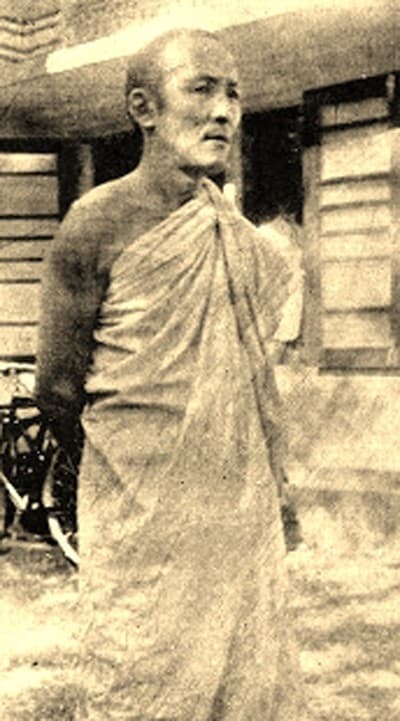
S. Mahinda
S. Mahinda Thera was a Buddhist monk and poet from Sikkim who became a significant figure in the Sri Lankan independence movement. After arriving in Ceylon at a young age, he mastered the Sinhala language and authored over 40 books, primarily poems that inspired patriotism and urged Sinhalese people to fight for their freedom. He is now recognized as a national hero of Sri Lanka and one of its most celebrated poets.

Kūkai
Kūkai was a pivotal Japanese Buddhist monk, calligrapher, and poet who founded the esoteric Shingon school of Buddhism. He traveled to Tang China, where he studied under Huiguo and became a master of Chinese Vajrayana Buddhism. Upon his return to Japan, Kūkai established Shingon, deeply influencing Japanese religious and cultural life, and is revered as a bodhisattva.