
Reb Anderson
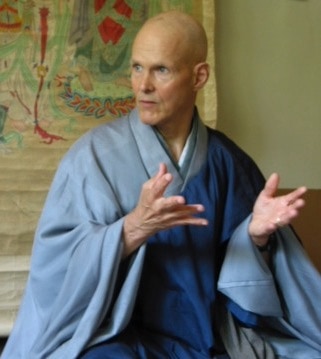
Tenshin Zenki Reb Anderson is a prominent American Zen Buddhist teacher in the Sōtō Zen lineage, known for his extensive teachings and his role as a senior dharma teacher at the San Francisco Zen Center. He is recognized for his work in bringing Dogen studies to the West and integrating traditional Buddhist psychology with Western approaches. Anderson has served as abbot of the San Francisco Zen Center and has a significant number of dharma heirs.
Key Facts
- ›Born Harold Anderson in Mississippi in 1943, he grew up in Minnesota.
- ›Ordained as a priest in 1970 by Shunryu Suzuki, who gave him the dharma name Tenshin Zenki.
- ›Became a dharma heir of Zentatsu Richard Baker in 1983 and later served as abbot of the San Francisco Zen Center.
- ›Authored several books including 'being Upright: Zen Meditation and the Bodhisattva Precepts' and 'the Third Turning of the Wheel: Wisdom of the Samdhinirmocana Sutra'.
- ›Known for integrating Dogen studies with Western psychological approaches.
- ›Retired from the San Francisco Zen Center in 2025 but continues to teach.
Important Relationships
- Shunryu Suzuki
- Zentatsu Richard Baker
- Sojun Mel Weitsman
- Rusa Chiu
- Warm Smiles From Cold Mountains: Dharma Talks On Zen Meditation
- Being Upright: Zen Meditation and the Bodhisattva Precepts
- the Third Turning of the Wheel: Wisdom of the Samdhinirmocana Sutra
- Entering the Mind of Buddha: Zen and the Six Heroic Practices of Bodhisattvas
- Nothing To Attain: Zen Stories of Faith and Understanding
San Francisco Zen Center, Green Gulch Farm Zen Center, Tassajara Zen Mountain Center, No Abode Hermitage
Shunryu Suzuki, Dogen
English
Bodhisattva Vows, Priest Ordination
Living, Active Teacher
About Reb Anderson
Tenshin Zenki Reb Anderson
Tenshin Zenki Reb Anderson, born Harold Anderson in 1943, is a significant figure in contemporary American Zen Buddhism. He is a senior dharma teacher within the Sōtō Zen lineage, primarily associated with the San Francisco Zen Center and Green Gulch Farm Zen Center in California. Recognized by author James Ishmael Ford as one of the most prominent Western Zen teachers, Anderson has dedicated his life to the practice and dissemination of Zen teachings.
Life and Historical Context
Born in Mississippi and raised in Minnesota, Anderson's early life included a period as a Golden Gloves boxer. His spiritual journey began in his teens, leading him to abandon graduate studies in psychology and mathematics in 1967 to pursue Soto Zen under Shunryu Suzuki at the San Francisco Zen Center. He was ordained as a priest by Suzuki in 1970, receiving the dharma name Tenshin Zenki. Following Suzuki's passing, Anderson continued his intensive training. In 1983, he received shiho (dharma transmission) from Zentatsu Richard Baker, becoming Baker's first dharma heir, and subsequently served as abbot of the San Francisco Zen Center.
Anderson's life has also involved navigating controversy and personal challenges, including a notable incident in Golden Gate Park involving a deceased individual and a subsequent confrontation in 1987 that led to a temporary leave of absence from the Zen Center. He has reflected on these experiences, drawing insights that have informed his teachings. He served as abbot and co-abbot of the San Francisco Zen Center's various training centers until 1995. In 1999, he experienced a heart attack, from which he recovered.
Major Contributions and Teaching Style
Reb Anderson is particularly noted for his efforts to bring Dogen studies to the West, deeply engaging with the teachings of the founder of Soto Zen in Japan. His teaching style is characterized by a robust integration of traditional Zen practices with contemporary psychological understanding, drawing from ancient Buddhist sources like Abhidharma and Yogachara, as well as Western psychological disciplines. This approach has been described as stretching Zen's traditional psychological framework. He has also mentored and transmitted dharma to a significant number of students who have gone on to become teachers and abbots themselves.
Notable Works and Legacy
Anderson has authored several influential books that explore Zen meditation, the Bodhisattva precepts, and profound Buddhist sutras. These include "Being Upright: Zen Meditation and the Bodhisattva Precepts" (2001), "Warm Smiles from Cold Mountains: Dharma Talks on Zen Meditation" (1995), and "The Third Turning of the Wheel: Wisdom of the Samdhinirmocana Sutra" (2012). His teachings are also available through audio and video archives. Although he retired from the San Francisco Zen Center in 2025, he continues to offer teachings and practice opportunities at No Abode Hermitage, maintaining an active role in guiding students.
Anderson is married to Rusa Chiu, a Jungian analyst, and has two daughters and four grandchildren.
Source: Wikipedia ↗
Frequently Asked Questions
Who is Reb Anderson?
Reb Anderson, born Harold Anderson in 1943, is a senior American Zen Buddhist teacher in the Sōtō Zen lineage. He is a prominent figure known for his extensive teachings and his role at the San Francisco Zen Center and Green Gulch Farm Zen Center.
What is Reb Anderson known for?
He is recognized for his contributions to bringing Dogen studies to the West and for his teaching style that blends traditional Zen with Western psychological insights. He has also authored several influential books on Zen meditation and Buddhist philosophy.
What is Reb Anderson's lineage and affiliation?
Reb Anderson belongs to the Sōtō Zen lineage of Shunryu Suzuki. He is a senior dharma teacher at the San Francisco Zen Center and Green Gulch Farm Zen Center.
What are some of Reb Anderson's notable works?
His notable works include 'Being Upright: Zen Meditation and the Bodhisattva Precepts,' 'Warm Smiles from Cold Mountains: Dharma Talks on Zen Meditation,' and 'The Third Turning of the Wheel: Wisdom of the Samdhinirmocana Sutra'.
When did Reb Anderson begin his Buddhist practice?
Anderson developed an interest in Buddhism in his teens and abandoned graduate studies in 1967 to study Soto Zen under Shunryu Suzuki at the San Francisco Zen Center.
Related Buddhists
Brad Warner
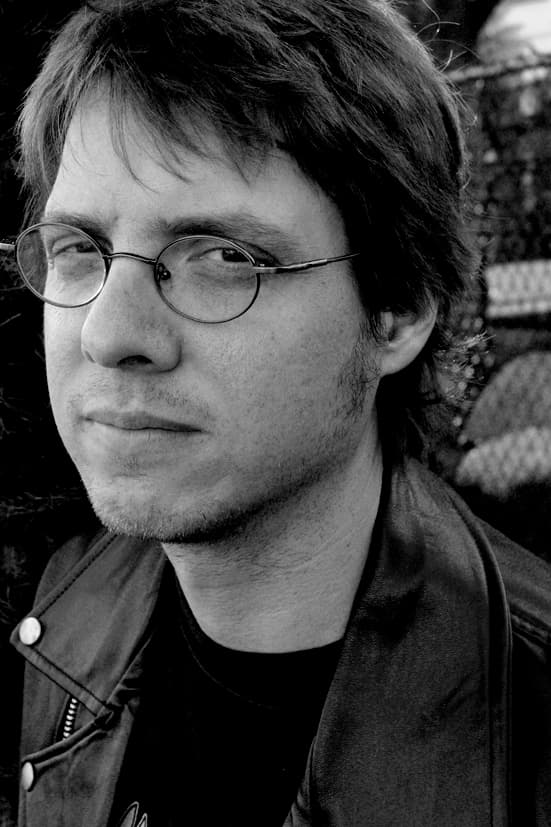
Brad Warner is an American Sōtō Zen teacher, author, and musician, known for his unique approach that blends punk rock ethos with Buddhist philosophy. He is recognized for his accessible writings and teachings, which aim to make Zen practice understandable for a contemporary audience.
Issan Dorsey
Issan Dorsey, born Tommy Dorsey Jr., was a Sōtō Zen monk and teacher who served as the abbot of Hartford Street Zen Center in San Francisco. He is recognized for his compassionate work establishing the Maitri Hospice, the first Buddhist hospice in the United States, which cared for individuals dying of AIDS. Many of his students and colleagues viewed him as an embodiment of a bodhisattva.
Taigen Dan Leighton
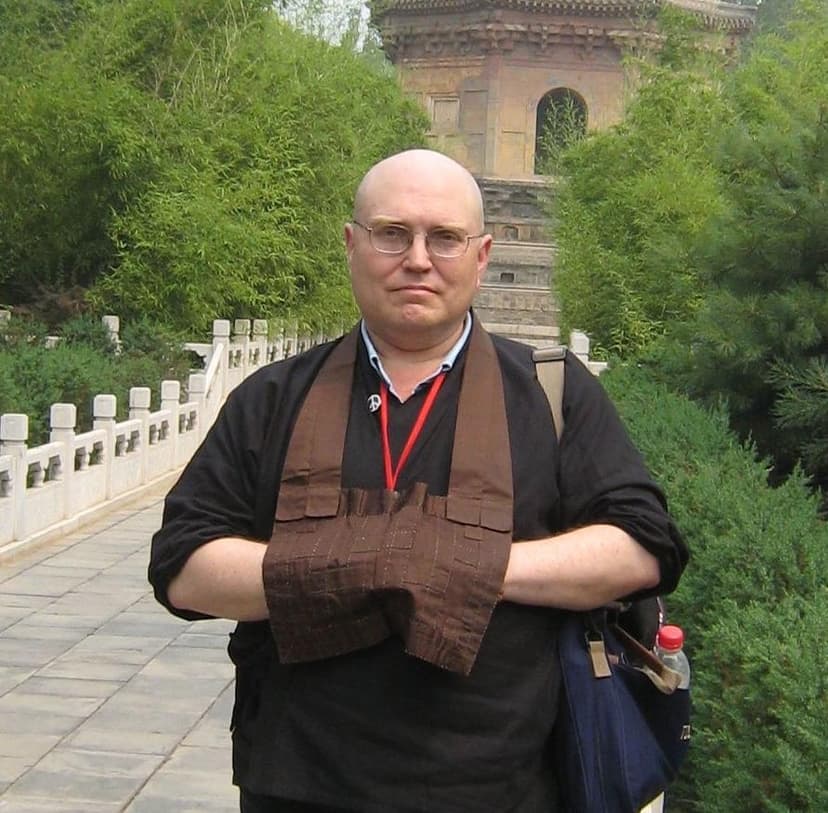
Taigen Dan Leighton is a Sōtō Zen priest, teacher, academic, and author, recognized as an authorized lineage holder in the tradition of Shunryū Suzuki. He founded Ancient Dragon Zen Gate in Chicago, Illinois, and is also an authorized teacher in the Japanese Sōtō School. Leighton is known for his extensive scholarship on Dōgen Zenji and his active involvement in engaged Buddhism, particularly in environmental and peace activism.