
Piyadassi Maha Thera
Piyadassi Maha Thera was a Theravādin Buddhist monk and influential Dharma preacher known for his extensive writings and teachings in both Sinhalese and English. He served as the Sinhala editor at the Buddhist Publication Society and was a significant spiritual guide to many, including American Buddhist scholar Bhikkhu Bodhi. His work aimed to make Buddhist teachings accessible to a global audience.
Key Facts
- ›Born in Colombo, Sri Lanka, on July 8, 1914.
- ›Entered the monastic order at age twenty and received higher ordination.
- ›Served as Sinhala editor for the Buddhist Publication Society until his death.
- ›Authored numerous books and pamphlets on Buddhist philosophy and practice.
- ›Educated at Nalanda College, the University of Sri Lanka, and Harvard University.
- ›Died on August 18, 1998, at the age of 84.
Important Relationships
- Pelene Siri Vajiragnana Nayaka Thera
- Vajiranna
- Nyanaponika Thera
- Bhikkhu Bodhi
- Soma Thera
- Narada Mahathera
- the Buddha's Ancient Path
- the Book of Protection – Paritta
- Buddhism: A Living Message
- the Seven Factors of Enlightenment: Satta Bojjhanga
- Buddha—His Life and Teaching
- Dependent Origination: Paticca-Samuppada
- Lamp of the Law
- Psychological Aspect of Buddhism
- Four Sacred Shrines
- Aspects of Buddhism
- Buddhist Observances and Practices
- the Story of Mahinda, SaṅGhamittā and the Sri Mahā-Bodhi
- the Elimination of Anger
- Selections From the Dhammapada: Sayings of the Buddha
- the Threefold Division of the Noble Eightfold Path
Kotahena, Colombo, Sri Lanka, Vajirarama Bambalapitiya, Colombo, Sri Lanka, Harvard University
Sinhala, English
Bhikkhu
About Piyadassi Maha Thera
Piyadassi Maha Thera was a prominent Theravādin Buddhist monk, preacher, and author, known for his extensive contributions to the dissemination of the Dharma in both Sinhalese and English. Born on July 8, 1914, in Kotahena, Colombo, Sri Lanka, he dedicated his life to Buddhist scholarship and practice.
Life and Education
Educated at Nalanda College in Colombo and later at the University of Sri Lanka, Piyadassi Maha Thera also pursued studies as a research student at the Center for the Study of World Religions at Harvard University. At the age of twenty, he entered the Buddhist monastic order under the guidance of Pelene Siri Vajiragnana Nayaka Thera, the founder of Vajirarama Bambalapitiya. He received his higher ordination under the tutorship of Vajiranna, the founding superior of Vajirarama Colombo.
Contributions and Ministry
Piyadassi Maha Thera was a prolific writer and a gifted preacher who made Buddhist teachings accessible to a global audience. He served as the Sinhala editor at the Buddhist Publication Society (BPS) until his passing. His literary output includes numerous books and pamphlets published by BPS, such as "The Buddha's Ancient Path," "The Book of Protection – Paritta," and "Buddhism: A Living Message." He was also recognized as a significant spiritual guide, or kalyāṇamitta, to figures such as the American Buddhist scholar and monk Bhikkhu Bodhi.
Later Life and Legacy
Piyadassi Maha Thera lived to the age of 84 years, passing away on August 18, 1998. His extensive body of work continues to be a valuable resource for those seeking to understand and practice the Buddha's teachings, reflecting his commitment to communicating the Dharma effectively.
Source: Wikipedia ↗
Frequently Asked Questions
When and where was Piyadassi Maha Thera born?
Piyadassi Maha Thera was born on July 8, 1914, in Kotahena, Colombo, Sri Lanka.
What was Piyadassi Maha Thera's role at the Buddhist Publication Society?
He served as the Sinhala editor for the Buddhist Publication Society until his death. He also contributed numerous works to their Wheel and Bodhi Leaf Publications series.
What were some of Piyadassi Maha Thera's notable works?
Some of his notable works include 'The Buddha's Ancient Path,' 'The Book of Protection – Paritta,' and 'Buddhism: A Living Message.' He also edited a felicitation volume for Narada Mahathera.
Where did Piyadassi Maha Thera receive his education?
He was educated at Nalanda College, Colombo, and later at the University of Sri Lanka. He also studied as a research student at the Center for the Study of World Religions at Harvard University.
Who was Piyadassi Maha Thera's monastic mentor?
He entered the monastic order under Pelene Siri Vajiragnana Nayaka Thera, the founder of the Vajirarama Bambalapitiya. His higher ordination was received under the tutorship of Vajiranna, the founding superior of Vajirarama Colombo.
Who was Bhikkhu Bodhi in relation to Piyadassi Maha Thera?
Piyadassi Maha Thera was one of the chief kalyāṇamitta (spiritual friends or guides) of the American Buddhist scholar and monk Bhikkhu Bodhi.
Related Buddhists
Gangodawila Soma Thero
Gangodawila Soma Thero was a prominent Theravada bhikkhu from Sri Lanka, known for his influential role in the revival of Sinhala Buddhism in the late 20th century. His accessible sermons, often broadcast on television, significantly inspired youth and led to campaigns against social ills like alcoholism and superstition. He also established Buddhist centers in Australia and left a lasting legacy through his teachings and activism.
Tanaka Chigaku
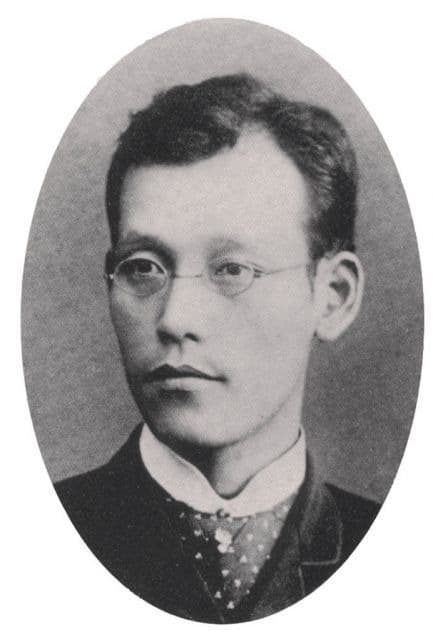
Tanaka Chigaku was a prominent Japanese Buddhist scholar and orator who is considered the father of Nichirenism, a nationalist interpretation of Nichiren Buddhism. He was a prolific writer and preacher who advocated for a world unified under Japanese imperial rule and Nichiren Buddhism. His ultranationalist ideology influenced prominent figures in Japanese militarism and inspired organizations like the Kokuchūkai.
Ippen
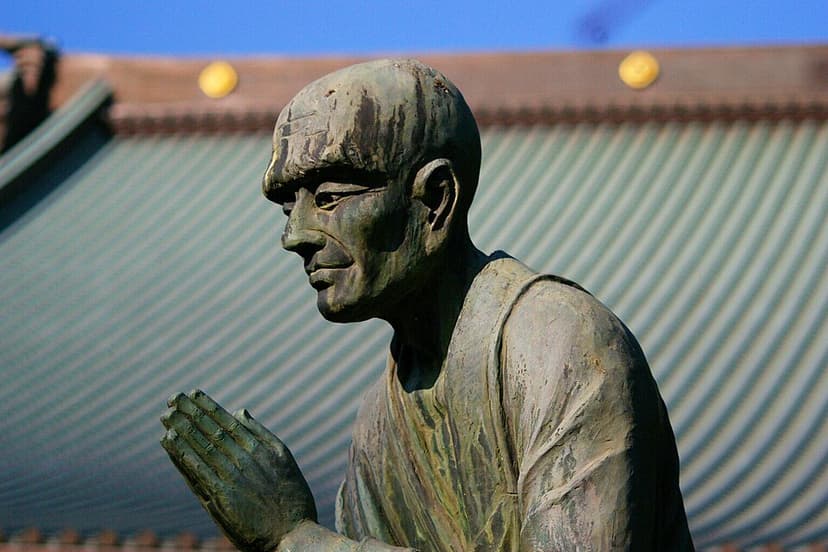
Ippen Shōnin was a highly influential Japanese Buddhist itinerant preacher (hijiri) of the 13th century, known for founding the Ji-shū ("Time sect") movement. His teachings emphasized salvation through the single-minded invocation of Amida Buddha's Name, believing that each recitation instantly united the practitioner with the Buddha's timeless enlightenment. Ippen's radical vision and ecstatic practices, including the "dancing nembutsu," attracted a broad following across all social classes and significantly shaped medieval Japanese Pure Land Buddhism.