
Matara Sri Nanarama Mahathera
Sri Lanka·Ramanna Nikaya·Male·20th century
Most Venerable Matara Sri Ñāṇārāma Mahā Thera was an influential Sri Lankan meditation master, scholar, and forest monk of the 20th century. He is renowned for his deep study of Buddhist scriptures and his effective guidance in Vipassana meditation, significantly contributing to the revival of the Sangha and the spread of Buddhist teachings.
Key Facts
- ›Born on December 11, 1901, in Sri Lanka.
- ›Ordained as a novice in 1917 and received higher ordination in 1922.
- ›Became a prominent meditation teacher within the Sri Kalyani Yogasrama Samstha.
- ›Acknowledged as a Kammatthanacariya (Meditation Teacher) in the Burmese Vipassana system.
- ›Headed the meditation center at Nissarana Vanaya, guiding numerous monks and lay devotees.
- ›Died on April 30, 1992, with his cremation attended by thousands.
Important Relationships
- Asoka Weeraratna
- Kadawedduwe Jinavamsa Mahathera
- Ven. Dedduwe Wimalajothi
- Ven. Matale Aggadhammalankara Thera
- Ven. Sastrawelliye Upasena Nayaka Thera
- Ven. Katukurunde Nanananda Thera
- the Seven Contemplations of Insight: Treatise On Insight Meditation
- Freed Freedom – A Fruitful Correspondence Between An Upasika and A Meditation Master
- Ariya Desana – Dhamma Talks In Sinhala
- Bhante Matara Sri Nanarama – the Seven Stages of Purification
Sri Kalyani Yogasrama Samstha, Nissarana Vanaya, Meethirigala
Burmese Meditation Masters
Sinhala, Pali
Bhikkhu
Meditation Master, Scholar, Forest Monk, Teacher
About Matara Sri Nanarama Mahathera
Matara Sri Ñāṇārāma Mahā Thera
Most Venerable Matara Sri Ñāṇārāma Mahā Thera (December 11, 1901 – April 30, 1992) was a highly respected Sri Lankan meditation master, scholar, and forest monk who significantly influenced Buddhist practice in the 20th century. Known for his profound understanding of the Dhamma and his dedication to experiencing Nibbana, he played a crucial role in the revival and propagation of the Sangha in Sri Lanka.
Early Life and Ordination
Born Don Dias Jayathunga on December 11, 1901, in Uduwe, Sri Lanka, he was dedicated to monastic life at the age of seven. He received novice ordination in December 1917 as Ven. Matara Nanarama and higher ordination on July 10, 1922. Young Nanarama pursued his Dhamma education with great zeal, dedicating himself to the study of scriptures, logic, and philosophy.
Meditation Master and Spiritual Leadership
In 1951, Ven. Nanarama was invited to lead the meditation program of the newly established Sri Kalyani Yogasrama Samstha, an organization associated with the Ramanna Nikaya. He intensified connections with the Burmese Sangha and guided meditation training. During retreats with Burmese masters, he advanced rapidly in insight meditation and was acknowledged as a Kammatthanacariya (Meditation Teacher) in the Burmese Vipassana tradition.
Nissarana Vanaya and Legacy
Following this, Ven. Nanarama was persuaded to head the forest hermitage at Nissarana Vanaya, a center for monks established by philanthropist Asoka Weeraratna. Under his guidance, countless monks and lay devotees, both local and foreign, received instructions for spiritual advancement. Many of his teachings were recorded and later published, with some books translated into Western languages, extending his influence to a global audience. Venerable Matara Sri Ñāṇārāma Mahā Thera passed away on April 30, 1992, leaving behind a rich legacy of spiritual guidance and scholarly contribution to Buddhism.
Source: Wikipedia ↗
Frequently Asked Questions
When and where was Matara Sri Ñāṇārāma Mahā Thera born?
Most Ven. Matara Sri Ñāṇārāma Mahā Thera was born on December 11, 1901, in Bajjima Village in Tikkannagoda (now Uduwe), in the deep south of Sri Lanka.
What was Matara Sri Ñāṇārāma Mahā Thera's early life like?
As a child named Don Dias Jayathunga, he was dedicated to the service of the Buddha Sasana on his seventh birthday. He was placed under the guidance of Ven. Dedduwe Wimalajothi of Aliyatholla Temple.
When did Matara Sri Ñāṇārāma Mahā Thera receive his ordinations?
He was ordained as a novice, Ven. Matara Nanarama, in December 1917. He received his higher ordination on July 10, 1922.
What was Matara Sri Ñāṇārāma Mahā Thera's role in meditation training?
He was invited to head the program of the newly established Sri Kalyani Yogasrama Samstha, guiding meditation training for young monks. He was recognized as a Kammatthanacariya (Meditation Teacher) in the Burmese Vipassana system.
What is Nissarana Vanaya and what was Matara Sri Ñāṇārāma Mahā Thera's involvement?
Nissarana Vanaya is a forest hermitage developed by philanthropist Asoka Weeraratna. Venerable Nanarama Thera was persuaded to head this meditation center, where many monks and lay devotees received guidance.
What is the legacy of Matara Sri Ñāṇārāma Mahā Thera's teachings?
Some of his meditation instructions were recorded and made available in printed and downloadable forms. Books based on his talks have been translated into Western languages, aiding seekers globally.
When did Matara Sri Ñāṇārāma Mahā Thera pass away?
Most Ven. Matara Sri Ñāṇārāma Mahā Thera passed away on April 30, 1992. His cremation took place on May 7, 1992, attended by thousands of devotees.
Related Buddhists
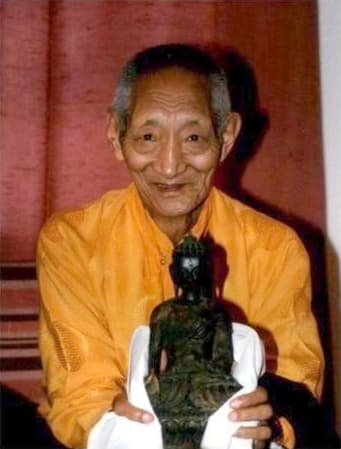
Kalu Rinpoche
Kalu Rinpoche was a highly respected Tibetan Buddhist lama, meditation master, scholar, and teacher, notable for being one of the first Tibetan masters to teach in the West. He played a significant role in transmitting the teachings of the Shangpa Kagyu lineage and established numerous centers for Buddhist practice globally.
Sunlun Sayadaw
Sunlun Sayadaw was a prominent Burmese monk and meditation master who, despite not having extensive scriptural studies, developed profound insight through dedicated meditation practice. He is celebrated for his teachings on Samatha, Vipassana, and Paṭṭhāna meditation, offering spiritual guidance to monks, nuns, and laypeople alike. His physical body's preservation after death has become a significant point of veneration.

Luang Pu Sodh Candasaro
Luang Pu Sodh Candasaro, also known as Phramongkolthepmuni, was a prominent Thai Buddhist monk and abbot of Wat Paknam Bhasicharoen. He is credited with founding the Thai Dhammakaya school and is considered by his tradition to have rediscovered Vijja Dhammakaya, a meditation method believed to have been used by the Buddha. Luang Pu Sodh played a significant role in developing Thai Buddhism during the interbellum and WWII, ordaining the first Western Buddhist monks and influencing key female Buddhist leaders.