
Linji Yixuan
China·Hongzhou school of Chan (Zen)·Male·9th century
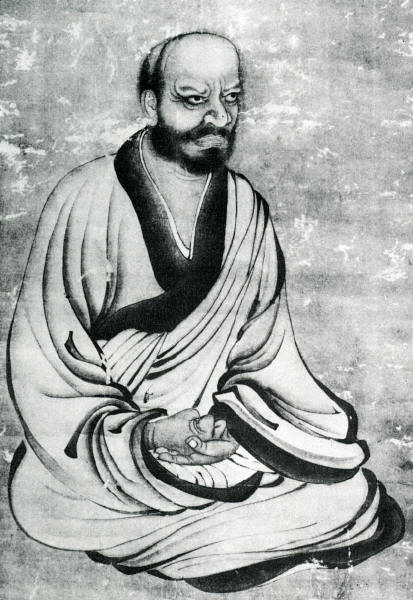
Linji Yixuan was a prominent Tang dynasty Chinese Chan (Zen) Buddhist monk and teacher. He is considered the leading figure of Chan Buddhism in his era and the founder of the influential Linji school, which later branched into Japanese Rinzai, Korean Seon, and Vietnamese Lâm Tế traditions. His teachings, compiled in the "Recorded Sayings of Linji," are known for their iconoclastic and antinomian spirit, emphasizing self-reliance and direct experience over conceptual grasping.
Key Facts
- ›Considered the leading figure of Chan Buddhism during the Tang dynasty.
- ›Founder of the Linji school of Chan Buddhism, influential in East Asia.
- ›His teachings emphasize iconoclasm, non-dependency, and the "true person with no rank."
- ›The "Recorded Sayings of Linji" (Linji yulu) is a major compilation of his teachings.
- ›His temple, Linji yuan, gave him his name.
- ›Known by the posthumous title Huizhao Chanshi.
Important Relationships
- Huangbo Xiyun (master)
- Dàyú (contemporary)
- Sansheng Huiran (disciple)
- Wang Yuankui (patron)
Recorded Sayings of Linji
Zhenzhou, Hebei, China, Mount Huangbo, Cao Prefecture, Puzhou, Weifu
Huangbo Xiyun, Mazu Daoyi, Huayan School, Weishi School
Classical Chinese
Full Precepts
About Linji Yixuan
Linji Yixuan (died 866 CE)
Linji Yixuan was a pivotal figure in the history of Chan (Zen) Buddhism, active during China's Tang dynasty. He is recognized as the leading Chan master of his era and is credited as the founder of the influential Linji school. This school, which developed significantly in later dynasties, traces its lineage to Linji's teachings and has branches in Japan (Rinzai), Korea (Seon), and Vietnam (Lâm Tế).
Life and Teachings
Born into the Xing family in Nanhua, Cao Prefecture, Linji's early life is sparsely documented. He initially studied Buddhist vinaya and sutras before dedicating himself to meditative practice. A significant period of his training involved studying under Chan master Huangbo Xiyun, during which Linji experienced a profound awakening after a series of encounters involving questioning and physical admonishment, culminating in his famous loud shouts.
Linji later settled at a temple in Zhenzhou, Hebei, which became known as the Linji yuan, giving him his monastic name. His teachings, compiled posthumously in the "Recorded Sayings of Linji" (Linji yulu), are characterized by their radical iconoclasm and antinomian spirit. He famously advocated for the direct experience of one's inherent Buddha-nature, urging followers to abandon conceptual attachments to Buddhist doctrines, buddhas, or nirvana. Key themes in his teachings include non-dependency, the concept of the "true person with no rank" (無位真人), and the practice of "nothing to do" (wú shì), emphasizing ordinary, everyday activities as the expression of enlightenment.
Legacy
Despite historical accounts suggesting Linji did not leave a large number of direct disciples, his lineage proved remarkably resilient and influential. The "Recorded Sayings of Linji" became a foundational text for the Linji school, shaping the development of Chan Buddhism across East Asia. While the historical Linji himself may be obscured by legend, his teachings continue to be studied for their potent articulation of Chan's core principles and their challenging, direct approach to spiritual realization.
Source: Wikipedia ↗
Frequently Asked Questions
Who was Linji Yixuan?
Linji Yixuan was a Chinese Chan (Zen) Buddhist monk and teacher of the Hongzhou school during the Tang dynasty. He is renowned as a leading figure of Chan Buddhism in his time and the founder of the Linji school.
What is the "Recorded Sayings of Linji"?
The "Recorded Sayings of Linji" (Linji yulu) is a collection of sayings, anecdotes, and lectures attributed to Linji Yixuan. It is considered a major text in Chan (Zen) Buddhism, known for exemplifying the iconoclastic spirit of the tradition.
What were Linji Yixuan's main teachings?
Linji's teachings were characterized by iconoclasm, urging students to "kill the buddha" if they met one, to avoid conceptual grasping. He emphasized non-dependency on external concepts or figures, the importance of faith in one's inherent nature, and the practice of "nothing to do" (wú shì).
How did Linji Yixuan get his name?
Linji Yixuan received his name from the Linji yuan (Temple Overlooking the Ford), a temple located on the banks of the Hutuo River in Zhenzhou, Hebei, where he lived and taught for about ten years.
What is the legacy of Linji Yixuan?
Linji Yixuan is credited with founding the Linji school, which became one of the most influential Chan schools in East Asia. Its branches include the Japanese Rinzai school, contemporary Korean Seon schools, and the Lâm Tế school of Vietnamese Zen.
What is the historical reliability of information about Linji Yixuan?
Information about Linji Yixuan is primarily derived from texts like the "Recorded Sayings of Linji," which were compiled and developed over time, often culminating in the Song dynasty. Scholars like Albert Welter suggest that the life of the historical Linji is shrouded in legend, and the texts reflect the aspirations of later movements projected onto his persona.
Related Buddhists
Gihwa
Gihwa was a prominent Korean Buddhist monk and leading figure during the transition from the Goryeo to the Joseon dynasties. Initially a respected Confucian scholar, he converted to Buddhism in his early twenties and became a disciple of National Teacher Muhak. Gihwa is known for synthesizing Seon (Zen) and Gyo (scriptural) traditions, authoring influential commentaries on key Buddhist sutras, and vigorously defending Buddhism against Neo-Confucian criticisms.
Prajñā
Prajñā was a 9th-century Buddhist monk born in Kapisa, near modern Kabul, Afghanistan. He is known for his significant contributions to the translation of Sanskrit sutras into Chinese during his visit to Tang China. His work facilitated the understanding of important Buddhist texts and he is also noted for his association with the Japanese monk Kūkai.
Huangbo Xiyun
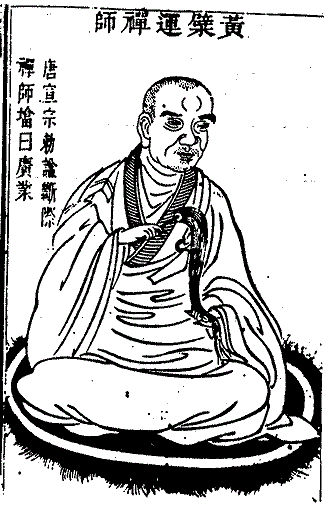
Huangbo Xiyun was an influential Chan Buddhist master during the Tang dynasty, known for his teachings on the "One Mind" and the inherent Buddha-nature within all beings. He was a key figure in the Hongzhou school of Chan, a student of Baizhang Huaihai, and the teacher of Linji Yixuan, who founded the Rinzai school of Zen. His teachings emphasized direct experience and the rejection of dualistic thinking, famously encapsulated in the phrase "mind is the Buddha."