
Larry Rosenberg
United States·Vipassana, Zen·Male·20th century
Larry Rosenberg is an American Buddhist teacher and the founder of the Cambridge Insight Meditation Center. He is also a resident teacher there and a senior teacher at the Insight Meditation Society. Rosenberg transitioned from a career in academic psychology to intensive Buddhist practice after being influenced by Jiddu Krishnamurti and Vimala Thakar, and he received training in both Zen and Vipassana traditions.
Key Facts
- ›Founded the Cambridge Insight Meditation Center in 1985.
- ›Is a resident teacher at the Cambridge Insight Meditation Center.
- ›Previously held positions as a professor of psychology at the University of Chicago and an assistant professor at Harvard Medical School.
- ›Received Zen training from Korean Master Seung Sahn and Japanese Master Katagiri Roshi.
- ›His notable book, 'Breath by Breath,' details the practice of anapanasati (mindful breath meditation).
- ›Was influenced by Jiddu Krishnamurti, Vimala Thakar, and Buddhadasa.
Important Relationships
- Cambridge Insight Meditation Center
- Insight Meditation Society
- Breath By Breath: the Liberating Practice of Insight Meditation
- Living In the Light of Death: On the Art of Being Truly Alive
- Three Steps To Awakening: A Practice For Bringing Mindfulness To Life
- the World Exists To Set Us Free: Straight-Up Dharma For Living A Life of Awareness
Cambridge, Massachusetts, Barre, Massachusetts, University of Chicago, Harvard Medical School
Jiddu Krishnamurti, Vimala Thakar, Seung Sahn, Katagiri Roshi, Anagarika Munindra, Buddhadasa
English
About Larry Rosenberg
Larry Rosenberg is an influential American Buddhist teacher, born on December 15, 1932. He is recognized as the founder and a resident teacher at the Cambridge Insight Meditation Center in Cambridge, Massachusetts, established in 1985. Rosenberg also holds the position of senior teacher at the Insight Meditation Society in Barre, Massachusetts.
Life and Teaching Path
Rosenberg's early life was marked by his upbringing in Coney Island to Russian-Jewish immigrant parents. His father, who had Marxist leanings, came from a long lineage of rabbis. Rosenberg pursued higher education, earning a BS from Brooklyn College and a Ph.D. in social psychology from the University of Chicago, where he later taught. He also served as an assistant professor in the Department of Psychiatry at Harvard Medical School.
Disillusioned with academia, Rosenberg turned toward intensive Buddhist practice. This significant shift was influenced by his encounters with the teachings of Jiddu Krishnamurti and Vimala Thakar. He received extensive training in Zen Buddhism from Korean Master Seung Sahn and Japanese Master Katagiri Roshi over an eight-year period before dedicating himself to Vipassana meditation, with Anagarika Munindra as his initial Vipassana teacher.
Contributions and Notable Works
A central theme in Rosenberg's teachings is the practice of anapanasati, or mindful breath meditation, which he elucidated in his widely read book, "Breath by Breath: The Liberating Practice of Insight Meditation." His approach to breath meditation was partly inspired by his engagement with the Thai meditation teacher Buddhadasa. This emphasis on the breath forms the foundation of his instruction at the Cambridge Insight Meditation Center.
Rosenberg has authored or co-authored several other books exploring Buddhist philosophy and practice, including "Living In the Light of Death: On the Art of Being Truly Alive" and "Three Steps to Awakening: A Practice for Bringing Mindfulness to Life." His work continues to guide practitioners in cultivating mindfulness and awareness in daily life.
Source: Wikipedia ↗
Frequently Asked Questions
What is Larry Rosenberg's background in academia?
Before dedicating himself to Buddhist teachings, Larry Rosenberg was a professor of psychology at the University of Chicago and also served as an assistant professor in the Department of Psychiatry at Harvard Medical School. He found his academic experiences disappointing, which led him to focus on intensive Buddhist practice.
What Buddhist traditions has Larry Rosenberg trained in?
Larry Rosenberg received eight years of Zen training from Korean Master Seung Sahn and Japanese Master Katagiri Roshi. Subsequently, he turned to Vipassana practice, with Anagarika Munindra as his first Vipassana teacher.
What is Larry Rosenberg known for in his teachings?
Rosenberg is particularly known for his emphasis on anapanasati, or mindful breath meditation, as detailed in his book 'Breath by Breath.' This focus on the breath as an object of meditation is a cornerstone of his teachings at the Cambridge Insight Meditation Center and was partly inspired by the Thai meditation teacher Buddhadasa.
What significant influences shaped Larry Rosenberg's path to Buddhist practice?
A turning point in Larry Rosenberg's life that influenced his decision to pursue Buddhist practice intensively was his introduction to the teachings of Jiddu Krishnamurti and Vimala Thakar. Later, his encounter with Thai meditation teacher Buddhadasa also played a role in shaping his emphasis on breath meditation.
What are some of Larry Rosenberg's notable books?
Larry Rosenberg has authored or co-authored several books on Buddhist practice. His most recognized work is 'Breath by Breath: The Liberating Practice of Insight Meditation.' Other notable titles include 'Living In the Light of Death: On the Art of Being Truly Alive' and 'Three Steps to Awakening: A Practice for Bringing Mindfulness to Life.'
Related Buddhists
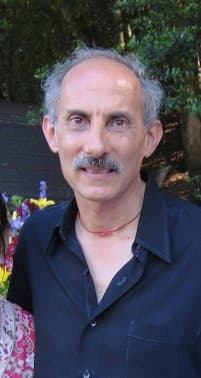
Jack Kornfield
Jack Kornfield is a prominent American psychologist, writer, and teacher within the Vipassana movement of American Theravada Buddhism. After training as a Buddhist monk in Southeast Asia, he became a key figure in bringing mindfulness meditation to the West, co-founding influential meditation centers. He is known for bridging Eastern and Western psychology in his teachings and writings.

B. Alan Wallace
B. Alan Wallace is an American Buddhologist and contemplative scholar known for his extensive writings on Tibetan Buddhism and contemplative science. He is recognized as a preeminent meditation teacher and has been instrumental in fostering dialogue between Western science and Buddhist psychology, advocating for the integration of introspection into academic inquiry. Wallace founded the Santa Barbara Institute for Consciousness Studies and has authored numerous influential books and translations.
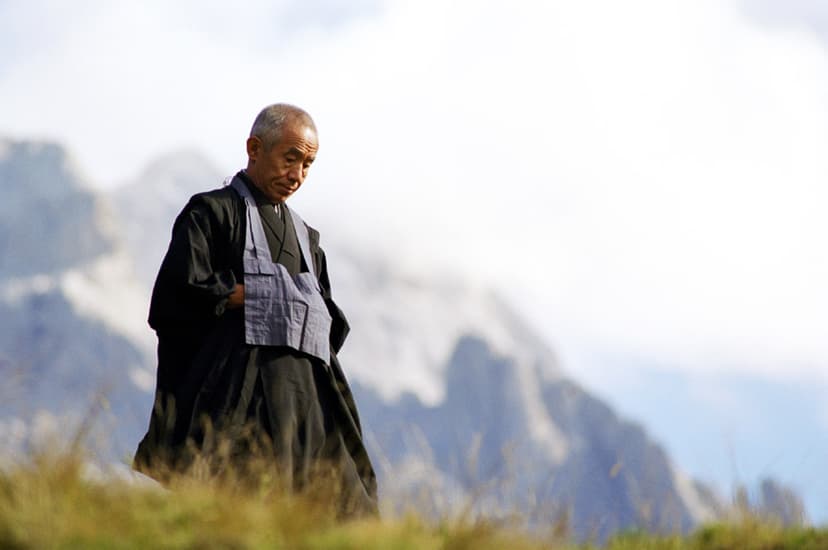
Kōbun Chino Otogawa
Kōbun Chino Otogawa was an American Sōtō Zen priest who came to the United States from Japan in 1967. He served as an assistant at Tassajara Zen Mountain Center and later founded and led several Zen centers, including Haiku Zen Center (later Bodhi) in Los Altos, California, and Jikoji in the Santa Cruz Mountains. Otogawa was known for his unconventional and accommodating teaching style, emphasizing self-acceptance and finding meaning in practice.