
Jonny Wilkinson
England·Rugby Union·Male·20th century
Jonny Wilkinson is a widely acclaimed former English rugby union player, best known for his exceptional skill as a fly-half. He is particularly celebrated for scoring the decisive drop goal in the final minute of extra time in the 2003 Rugby World Cup final, securing England's victory. Recognized as one of the sport's all-time greats, Wilkinson had a distinguished career playing for Newcastle Falcons, Toulon, and the England national team.
Key Facts
- ›Scored the winning drop goal in the 2003 Rugby World Cup final against Australia.
- ›Played club rugby for Newcastle Falcons and Toulon, holding top point-scorer records at both.
- ›Won 91 caps for the England national team.
- ›Was an integral part of the England squad that won the 2003 Rugby World Cup.
- ›Inducted into the World Rugby Hall of Fame in 2016.
- ›Retired from professional rugby at the end of the 2013-14 season.

Important Relationships
- Newcastle Falcons
- Toulon
- England national rugby union team
- British & Irish Lions
Frimley, Farnham, Newcastle, Toulon
Player, Pundit
About Jonny Wilkinson
Jonathan Peter Wilkinson, widely known as Jonny Wilkinson, is a highly celebrated former English rugby union player, renowned for his exceptional talent as a fly-half. He is most famously recognized for scoring the winning drop goal in the final minute of extra time during the 2003 Rugby World Cup final, a pivotal moment that secured England's historic victory.
Career Highlights
Wilkinson enjoyed a distinguished club career, notably playing twelve seasons with the Newcastle Falcons in the English Premiership. In 2009, he transferred to the French club Toulon, where he spent five seasons and contributed to winning two Heineken Cups and one Top 14 championship. He holds the distinction of being the top point-scorer for both Newcastle Falcons and Toulon.
Internationally, Wilkinson earned 91 caps for the England national team. He was a crucial member of the England squad that triumphed in the 2003 Rugby World Cup. Despite facing numerous injuries throughout his career, he also played a significant role in England's journey to the final of the 2007 Rugby World Cup. His international career also included two tours with the British & Irish Lions in 2001 and 2005.
Later Career and Recognition
Wilkinson retired from professional rugby union at the conclusion of the 2013–14 season. In recognition of his immense contributions to the sport, he was inducted into the World Rugby Hall of Fame in 2016. Following his retirement, Wilkinson transitioned into a media role, currently serving as a studio pundit for ITV Sport, providing commentary and analysis on major rugby events such as the Six Nations Championship and the Rugby World Cup.
Source: Wikipedia ↗
Frequently Asked Questions
When and where was Jonny Wilkinson born?
Jonny Wilkinson was born on May 25, 1979, at Frimley Park Hospital in Frimley, Surrey, England.
What is Jonny Wilkinson most famous for in rugby?
He is most famous for scoring the winning drop goal in the final seconds of extra time in the 2003 Rugby World Cup final against Australia, which secured England's victory. He is widely considered one of the greatest rugby union players of all time.
Which clubs did Jonny Wilkinson play for?
Wilkinson played club rugby for Newcastle Falcons for twelve seasons in the English Premiership. He later moved to the French side Toulon, where he played for five seasons.
How many caps did Jonny Wilkinson earn for England?
Jonny Wilkinson won 91 caps for the England national team during his career.
What significant achievements did Jonny Wilkinson have with Toulon?
While playing for Toulon, Wilkinson won two Heineken Cups and one Top 14 championship in his five seasons with the club. He also holds the record for the top point-scorer at Toulon.
Did Jonny Wilkinson play in multiple Rugby World Cups?
Yes, Wilkinson was a key player in England's 2003 Rugby World Cup victory and was also part of the England team that reached the final of the 2007 Rugby World Cup.
Related Buddhists
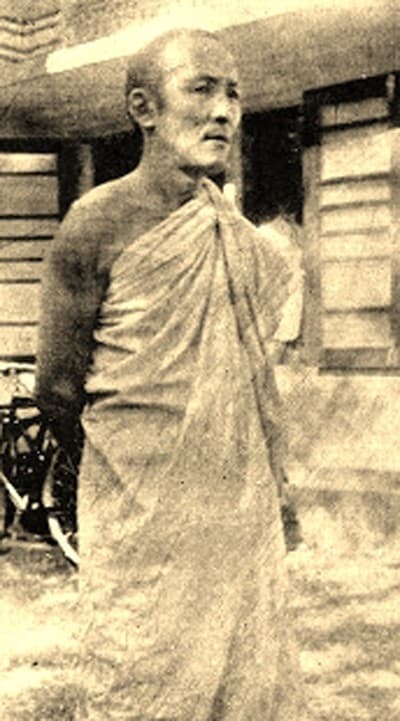
S. Mahinda
S. Mahinda Thera was a Buddhist monk and poet from Sikkim who became a significant figure in the Sri Lankan independence movement. After arriving in Ceylon at a young age, he mastered the Sinhala language and authored over 40 books, primarily poems that inspired patriotism and urged Sinhalese people to fight for their freedom. He is now recognized as a national hero of Sri Lanka and one of its most celebrated poets.
Phoolan Devi
Phoolan Devi, popularly known as the Bandit Queen, was an Indian dacoit who transformed into a politician and served as a member of parliament. She rose from poverty and caste oppression to become a symbol of resistance for marginalized communities, often portrayed as a Robin Hood figure. Her life was marked by violence, imprisonment, and eventual political career, culminating in her assassination.
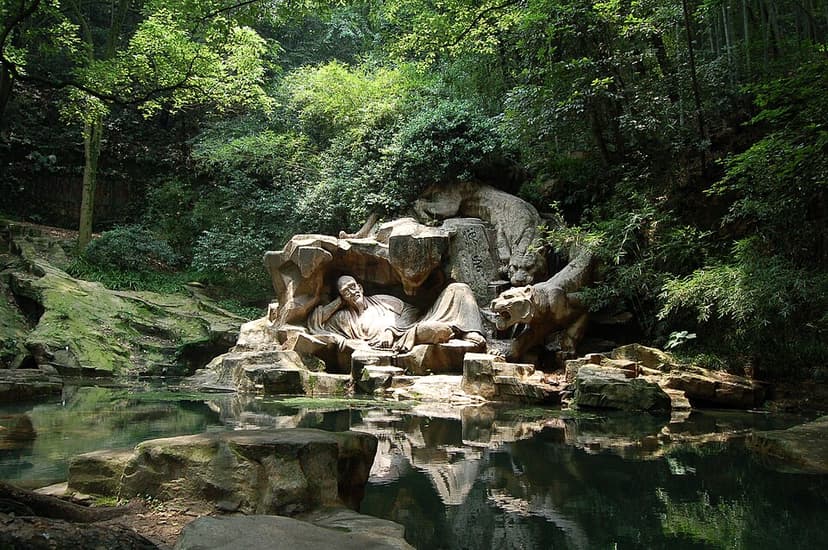
Ji Gong
Ji Gong, born Li Xiuyuan, was a Chan Buddhist monk of the Southern Song dynasty, renowned for his purported supernatural abilities used to aid the poor and combat injustice. Despite his compassionate deeds, he defied monastic rules by consuming alcohol and meat, leading to his expulsion. By his death, he had become a legendary figure in Chinese culture and a deity in folk religion, revered as the incarnation of the Dragon Subduing Arhat.