
John Earl Coleman
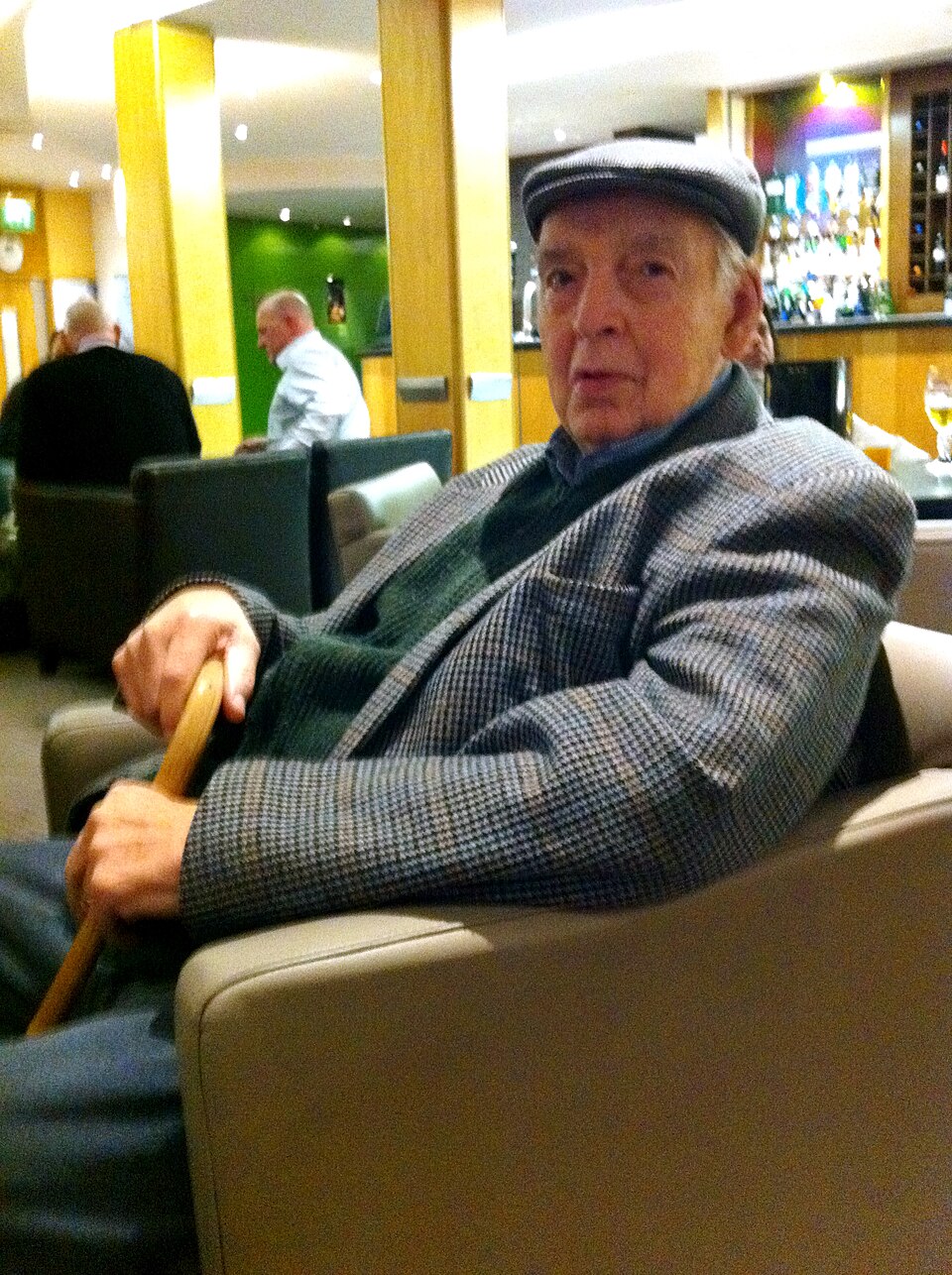
John Earl Coleman was a prominent teacher of Vipassanā (insight) meditation within the Theravada Buddhist tradition. After a career in the US Army and the CIA, he became deeply involved with Vipassanā meditation in Thailand and Burma, studying under the renowned master Sayagyi U Ba Khin. Coleman later dedicated three decades to teaching this practice, emphasizing ten-day retreats and developing an informal, humorous teaching style that resonated with students worldwide.
Key Facts
- ›Born in Tresckow, Pennsylvania, on March 26, 1930.
- ›Served in the us Army during the Korean War and later worked for the CIA in Thailand.
- ›Studied Vipassanā meditation under Sayagyi U Ba Khin in Yangon/Rangoon.
- ›Authored the autobiography "the Quiet Mind," detailing his spiritual journey and meditation method.
- ›Taught Vipassanā meditation courses internationally for over three decades.
- ›Died on November 22, 2012, in Cookham, England.
Important Relationships
- Sayagyi U Ba Khin
- S. N. Goenka
- Tiziano Terzani
- Tim Parks
- Emilio Lonardo
the Quiet Mind, La Mente Tranquilla
Thailand, Burma, Yangon/Rangoon, United Kingdom, Italy
Sayagyi U Ba Khin, S. N. Goenka, Jiddu Krishnamurti, Maharishi, D. T. Suzuki, Saya Thetgyi, Ledi Sayadaw, Webu Sayadaw
English
About John Earl Coleman
John Earl Coleman (1930–2012)
John Earl Coleman was an influential teacher of Vipassanā (insight) meditation, a core practice within Theravada Buddhism. Born in the United States, his early life included service in the US Army during the Korean War and a period with the Central Intelligence Agency, which stationed him in Thailand.
Life and Spiritual Journey
During his assignments in Southeast Asia, Coleman developed a profound interest in Vipassanā meditation. He traveled extensively through India, Burma, Japan, and Thailand, encountering various spiritual teachers. His dedicated search for inner peace and liberating insights led him to Sayagyi U Ba Khin in Yangon/Rangoon, a highly respected Vipassanā master. Coleman underwent several meditation courses with U Ba Khin, describing one transcendent moment of insight as "absolutely unforgettable and ineradicable."
Teaching Vipassanā
After returning to ordinary life in England, Coleman initially hesitated to teach meditation. However, encouraged by students of S. N. Goenka and with Goenka's own encouragement, he began conducting ten-day Vipassanā courses in the early 1970s. His teaching career spanned three decades, during which he became known for an informal, humorous, and down-to-earth style. He emphasized a practical approach, seeing himself as a friend to his students rather than a guru. Coleman retired from teaching in 2009, having authorized students in Italy to continue his lineage.
Writings and Legacy
Coleman's personal journey and meditation method are chronicled in his autobiography, "The Quiet Mind." His experiences as a meditation teacher have also been noted by writers such as Tiziano Terzani and Tim Parks in their works. He passed away in Cookham, England, in 2012 after a battle with cancer, leaving behind a legacy of accessible Vipassanā instruction.
Source: Wikipedia ↗
Frequently Asked Questions
What is Vipassanā meditation, and how did John Earl Coleman become involved with it?
Vipassanā, meaning 'insight' meditation, is a practice within Theravada Buddhism. John Earl Coleman became interested in Vipassanā during his time in Thailand while working for the CIA, exploring various spiritual paths and eventually studying with master Sayagyi U Ba Khin.
Who was Sayagyi U Ba Khin, and what was his significance to John Earl Coleman?
Sayagyi U Ba Khin was a great Vipassanā meditation master who established the International Meditation Center in Yangon/Rangoon. He was Coleman's primary teacher, and Coleman's method of practicing Vipassanā is based on the ten-day retreats he learned from Ba Khin.
What was John Earl Coleman's teaching style like?
Coleman's teaching style was informal and often included humor, while maintaining a deadpan seriousness. He preferred to be seen as a friend rather than a guru, offering simple and practical advice to his students.
What notable works are associated with John Earl Coleman?
John Earl Coleman is known for his autobiography, "The Quiet Mind," which describes his experiences and meditation method. His teaching retreats have also been documented by writers such as Tiziano Terzani and Tim Parks.
When and where did John Earl Coleman teach Vipassanā meditation?
John Earl Coleman began teaching Vipassanā meditation in earnest in the early 1970s and continued for three decades. He taught courses in many countries worldwide, including regular engagements in Italy, and retired from teaching in 2009.
Related Buddhists
Buddhaghosa Mahasthavir
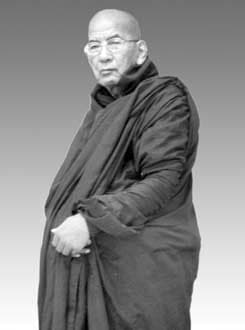
Buddhaghosa Mahasthavir was a Nepalese Buddhist monk instrumental in reviving Theravada Buddhism in Nepal during the 1940s amidst governmental suppression. He founded the Pariyatti Shiksha (Buddhist education) system and was later recognized as the fifth Sangha Nayaka (Chief Prelate) in 2006. His extensive work included authoring and translating Buddhist scriptures, significantly contributing to the spread of Buddhist teachings in Nepal.
Frank Lee Woodward
Frank Lee Woodward was an English educationist, Pali scholar, author, and theosophist known for his extensive research and translation work on Theravada Buddhism. He is highly regarded for compiling a significant concordance of the Pali canon by translating numerous Pali texts into English. Woodward also served as the principal of Mahinda College in Ceylon for 16 years, significantly contributing to its development and the promotion of Buddhist education.

Sudarshan Mahasthavir
Sudarshan Mahasthavir was a prominent Nepalese Buddhist monk, author, and educator, instrumental in the growth of Theravada Buddhism and Nepal Bhasa literature in Nepal. He was a prolific writer, particularly in drama, and a vocal advocate for language rights, which led to his imprisonment by the Nepalese government. His contributions were recognized with honors such as a commemorative postage stamp and the title Bhasa Thuwa.