
Dipa Ma
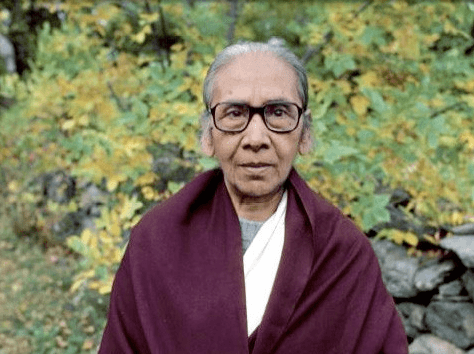
Dipa Ma, born Nani Bala Barua, was a prominent Indian Theravada Buddhist meditation teacher of Barua descent. Despite significant personal losses, she found solace and profound spiritual insight through meditation, eventually becoming a revered master. She is recognized for her influence in both Asia and the United States, where she played a key role in the American Vipassana movement.
Key Facts
- ›Born Nani Bala Barua on March 25, 1911, in Chittagong, British India (now Bangladesh).
- ›Experienced profound grief after the deaths of several children and her husband.
- ›Began her formal meditation practice at the Kamayut Meditation Center in Rangoon, Burma.
- ›Trained with the Venerable Mahasi Sayadaw and Anagarika Munindra, experiencing stages of enlightenment.
- ›Taught meditation in Calcutta, India, and later at the Insight Meditation Society in Massachusetts, USA.
- ›Died on September 1, 1989, in Kolkata, India.
Important Relationships
- Malati Barua
- Sylvia Boorstein
- Joseph Goldstein
- Jack Kornfield
- Michelle Levey
- Sharon Salzberg
- Chittagong
- Rangoon
- Calcutta
- Insight Meditation Society, Barre, Massachusetts
Mahasi Sayadaw, Anagarika Munindra
About Dipa Ma
Dipa Ma, born Nani Bala Barua on March 25, 1911, was a highly respected Indian meditation teacher within the Theravada Buddhist tradition. Of Barua descent, she became a significant figure in the Vipassana movement, not only in Asia but also in the United States, where she profoundly influenced its development.
Life and Personal Challenges
Born in a small village in Chittagong, British India (now Bangladesh), Nani Bala Barua displayed an early interest in Buddhist practices. Her life was marked by significant personal tragedy; after marrying at age twelve and moving to Burma (Myanmar) to join her husband, she faced the loss of several children in infancy and the sudden death of her husband in 1957. These profound experiences of grief and pain led her to seek solace and understanding through meditation.
Spiritual Development and Teaching
Following her husband's death, Dipa Ma attended meditation retreats in Rangoon, where she studied under Venerable Mahasi Sayadaw. During this period, she experienced the first stages of enlightenment. In 1963, she undertook advanced training in spiritual powers (siddhis) with master Anagarika Munindra. Although Dipa Ma claimed to manifest abilities such as levitation or walking through solid objects, these were not independently verified. In 1967, she returned to India and began teaching meditation in Calcutta, adapting practices for home practitioners. Her students later included many who became prominent Western Vipassana teachers, such as Sylvia Boorstein, Joseph Goldstein, Jack Kornfield, Michelle Levey, and Sharon Salzberg. She also taught at the Insight Meditation Society in Massachusetts in the early 1980s.
Death
Dipa Ma passed away on September 1, 1989, in Kolkata, India, at the age of 78, while engaged in devotional practice before a Buddha statue.
Source: Wikipedia ↗
Frequently Asked Questions
What was Dipa Ma's birth name and when was she born?
Dipa Ma was born Nani Bala Barua on March 25, 1911. She was born in a small village in Chittagong, East Bengal, British India.
What led Dipa Ma to become a meditation teacher?
After the death of her husband, Dipa Ma experienced extreme unhappiness. A doctor suggested she learn to meditate, leading her to attend retreats where she achieved spiritual insights and eventually began teaching.
Where did Dipa Ma teach meditation?
Dipa Ma taught meditation in Calcutta, India, and also in the United States, including at the Insight Meditation Society in Barre, Massachusetts. Her teachings significantly influenced the American Vipassana movement.
Who were some of Dipa Ma's notable students?
In the 1970s, Dipa Ma taught several individuals who became prominent teachers in the United States, including Sylvia Boorstein, Joseph Goldstein, Jack Kornfield, Michelle Levey, and Sharon Salzberg.
When and how did Dipa Ma die?
Dipa Ma died at the age of 78 on September 1, 1989, in Kolkata, India. She passed away while bowing before a statue of the Buddha.
Related Buddhists
Chandra Khonnokyoong
Chandra Khonnokyoong was a highly influential Thai maechi (nun) and meditation teacher, best known as the founder of Wat Phra Dhammakaya. Despite being illiterate, she was deeply respected for her profound meditation experience and attracted many educated students, challenging traditional views on the role of women in Thai Buddhism.

Ajahn Buddhadasa Bhikkhu
Ajahn Buddhadasa Bhikkhu was a Thai Buddhist monk renowned for his innovative interpretations of Buddhist doctrine and Thai folk beliefs. He sought to reform conventional religious perceptions, advocating for a view that all religions are inwardly the same and that the highest understanding of dhamma leads to the realization that "there is no religion." Buddhadasa was also recognized for his political engagement and development of "Dhammic socialism."
Ama Samy
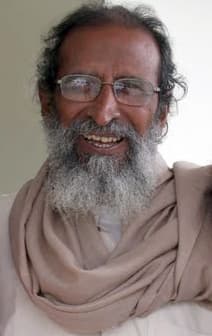
Ama Samy, born Arul Maria Arokiasamy in 1936, is an Indian Zen master known for his unique teaching style that integrates Zen Buddhism with Christian and other religious traditions. After training in Japan under Yamada Koun Roshi, he founded the Bodhi Sangha and has since become a prominent figure leading retreats internationally. His work emphasizes a practical approach to Zen meditation and interreligious dialogue.