
Ama Samy
India·Zen (Sanbo Kyodan, Bodhi Sangha)·Male·20th century
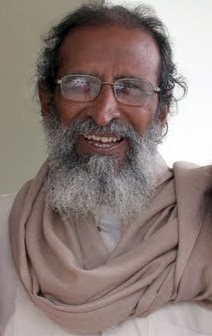
Ama Samy, born Arul Maria Arokiasamy in 1936, is an Indian Zen master known for his unique teaching style that integrates Zen Buddhism with Christian and other religious traditions. After training in Japan under Yamada Koun Roshi, he founded the Bodhi Sangha and has since become a prominent figure leading retreats internationally. His work emphasizes a practical approach to Zen meditation and interreligious dialogue.
Key Facts
- ›Born in Burma in 1936 to Christian parents, Ama Samy grew up in India.
- ›He was ordained as a Jesuit and later trained in Zen Buddhism in Japan under Yamada Koun Roshi.
- ›Ama Samy received the Dharma name Gen'un-ken and was authorized to teach Zen in 1982.
- ›He founded the Bodhi Sangha in 1986, which became an independent Zen school in 2002.
- ›His teachings blend Soto and Rinzai Zen traditions with influences from Christianity and other religions.
- ›He has established two Zen centers near Kodaikanal, India, and regularly leads retreats in Europe, Australia, and the USA.
Important Relationships
- Father Hugo Enomiya-Lassalle
- Yamada Koun Roshi
- Bodhi Sangha
- Zen: the Wayless Way
- Zen: the Great Way Has No Gates
- Zen: Ancient and Modern, the Way To Heart-Mind
- the Zen Way: Tradition, Transmission, Challenges
- Zen Meditation For Life and Death, Christians and Therapists
- Zen: Awakening To Your Original Face
- Zen Heart, Zen Mind: the Teachings of Zen Master Ama Samy
Kodaikanal, India, Japan, Europe, Australia, Usa
Ramana Maharshi, Swami Abhishiktananda, Yamada Koun Roshi
English, German, Dutch, French, Spanish, Swedish
Jesuit Vows
About Ama Samy
Ama Samy, born Arul Maria Arokiasamy in 1936, is an influential Indian Zen master and a member of the Society of Jesus. His spiritual journey, which began with Christian parents in Burma and included extensive exploration of Hindu and Buddhist traditions, led him to train in Zen Buddhism in Japan under the guidance of Yamada Koun Roshi.
Life and Spiritual Path
After his ordination as a Jesuit priest in 1972, Ama Samy's search for deeper spiritual understanding led him to visit Hindu ashrams and Buddhist meditation centers. He was particularly influenced by the teachings of Ramana Maharshi, introduced to him by Swami Abhishiktananda. This period involved ascetic practices, including a time as a wandering beggar and a hermit. His pivotal training in Japan, facilitated by Father Hugo Enomiya-Lassalle, culminated in his authorization to teach Zen by Yamada Roshi in 1982. He was given the Japanese Dharma name Gen'un-ken.
Teachings and Foundation of Bodhi Sangha
Ama Samy's teaching methodology is characterized by its synthesis of Soto and Rinzai Zen traditions, enriched by insights from Christianity and other religions. In 1986, he founded the Bodhi Sangha, a community of his disciples, which later became an independent Zen school in 2002 when he separated from the Sanbo Kyodan organization. He established two Zen centers in South India near Kodaikanal: Bodhi Zendo, opened in 1996, and Kanzeon Zendo, which opened in 2022, where he currently resides and teaches.
International Influence and Writings
Since the mid-1980s, Ama Samy has spent a significant portion of each year leading retreats in Europe, Australia, and the USA, engaging with students worldwide. He also supports humanitarian efforts through Little Flower, a non-profit organization assisting vulnerable populations in South India. Ama Samy is also a prolific author, with numerous books published in English, German, Dutch, French, Spanish, and Swedish, exploring themes of Zen, meditation, interreligious dialogue, and the challenges of transmitting Zen to the West.
Source: Wikipedia ↗
Frequently Asked Questions
Who is Ama Samy?
Ama Samy, born Arul Maria Arokiasamy in 1936, is an Indian Zen master. He is recognized for his interreligious approach to Zen practice, integrating Buddhist teachings with Christian and other spiritual traditions.
What is Ama Samy's background?
Born in Burma to Christian parents, Ama Samy grew up in India. He became a Jesuit before pursuing Zen training in Japan, where he studied under Yamada Koun Roshi.
What is the Bodhi Sangha?
The Bodhi Sangha is the community of Ama Samy's disciples, which he founded in 1986. It later evolved into an independent Zen school after Ama Samy left the Sanbo Kyodan organization.
What are Ama Samy's notable works?
Ama Samy has authored several books on Zen, including 'Zen: The Wayless Way', 'Zen: The Great Way has No Gates', and 'Zen Heart, Zen Mind: The Teachings of Zen Master Ama Samy'. His works have been translated into multiple languages.
Where does Ama Samy teach?
Ama Samy lives and teaches at Kanzeon Zendo, one of the two Zen centers he founded near Kodaikanal in South India. He also spends several months each year leading retreats internationally.
Related Buddhists

Adyashanti
Adyashanti, born Stephen Gray, is an American spiritual teacher and author known for his teachings on awakening and embodying enlightenment. He founded Open Gate Sangha with his wife Mukti, a nonprofit organization that disseminates his talks, courses, and retreats. Adyashanti's work draws from Zen Buddhism and Christian mysticism, emphasizing a direct experience of truth beyond religious dogma.
Dudjom Jigdral Yeshe Dorje
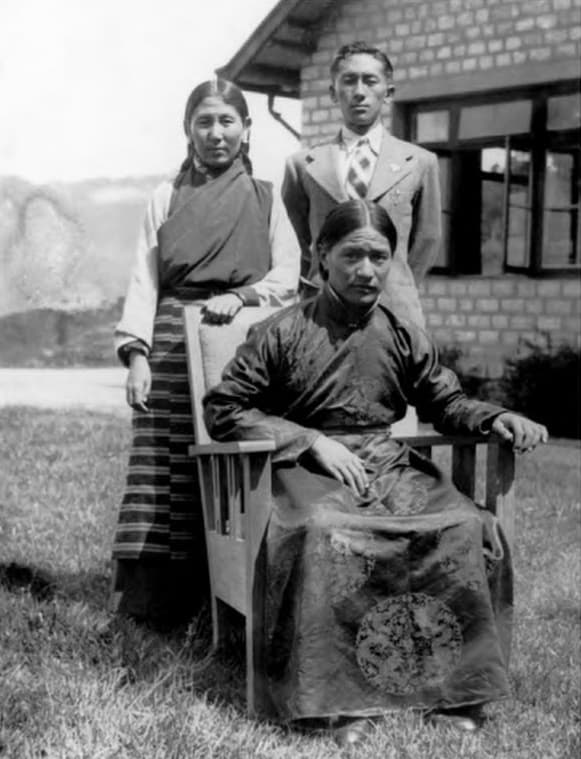
Kyabje Dudjom Rinpoche Jigdral Yeshe Dorje, known as Dudjom Rinpoche, was a highly revered master in the Nyingma school of Tibetan Buddhism. He was recognized as a reincarnation of previous tertons and Padmasambhava, and served as the first head of the Nyingma school in exile. Dudjom Rinpoche was a prolific author, scholar, yogi, and Vajrayana and Dzogchen master, instrumental in preserving and transmitting Tibetan Buddhist teachings to the West.
Dipa Ma
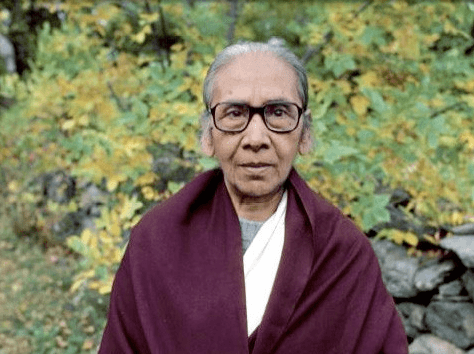
Dipa Ma, born Nani Bala Barua, was a prominent Indian Theravada Buddhist meditation teacher of Barua descent. Despite significant personal losses, she found solace and profound spiritual insight through meditation, eventually becoming a revered master. She is recognized for her influence in both Asia and the United States, where she played a key role in the American Vipassana movement.